US Vice President Vance States Iran Must Advance Peace Talks After Failed Negotiations and Strait of Hormuz Blockade
US Vice President JD Vance stated that Iran needs to take the next step in peace talks following unsuccessful negotiations in Islamabad. The US has initiated a blockade of ships entering or exiting Iranian ports in the Strait of Hormuz to apply economic pressure. The action follows a fragile ceasefire and aims to reopen the strait, which has affected global energy prices.
 cnbc.com
US Vice President JD Vance said on Monday that it is up to Iran to advance peace talks with the US after negotiations in Islamabad ended without a deal. The talks involved the US negotiating team, including special envoys Steve Witkoff and Jared Kushner. Vance made the comments in a Fox News interview after returning from the weekend discussions.
The negotiations took place in Islamabad on April 12, 2026, where US representatives met with officials from Pakistan and Iran. Vance reported that the US team made some progress with Iran during the talks. However, the parties did not reach agreements on key issues, leading the US negotiators to depart without a final deal.
Blockade Implementation and Purpose The US announced a blockade of the Strait of Hormuz shortly after the talks concluded, blocking ships from entering or exiting Iranian ports.
President Donald Trump stated that the measure aims to pressure Iranian leaders to return to negotiations and to force the reopening of the strait. The strait serves as a vital pathway for oil shipping, and its partial closure during the ongoing war has contributed to increases in global energy prices. Vance emphasized the need for the full reopening of the Strait of Hormuz.
He noted that Iran attempted to alter negotiation terms regarding the strait during the talks. The blockade is intended to provide additional economic pressure on Iran to comply. A fragile 14-day ceasefire with Iran began last week, partly based on an agreement for Tehran to reopen the strait.
Vance said the US has not observed full reopening, which could alter the course of negotiations if not addressed. The ceasefire remains in effect amid these developments.
Key Negotiation Issues US red lines for a peace deal center on preventing Iran from obtaining nuclear weapons.
The talks failed to secure final agreements on removing Iran's enriched uranium from the country and implementing verification measures to ensure no nuclear weapon development. Vance stated that the US placed significant proposals on the table during the discussions. Despite the lack of a deal, Vance described the Iranian side as moving in the US direction on some points, though not sufficiently.
He indicated that the current timeline and team were not positioned to finalize an agreement, prompting the US team to return to Washington. Vance suggested that future talks depend on Iran's response. The US position, as articulated by Vance, supports the Iranian people thriving under a potential deal that meets security requirements.
The blockade and ongoing ceasefire set the stage for possible further discussions. No immediate additional talks have been scheduled, with the next steps resting with Iran. The Strait of Hormuz blockade affects international shipping routes critical for global oil supply.
This action occurs in the context of broader tensions from the war, which prompted the ceasefire. Monitoring compliance with the ceasefire and blockade terms will influence future diplomatic efforts.
Story Timeline
4 events- April 14, 2026
US Vice President Vance states in interview that Iran must advance peace talks after returning from Islamabad.
1 sourcecnbc.com - April 14, 2026
US initiates blockade of Strait of Hormuz to pressure Iran and reopen the strait.
1 sourcecnbc.com - April 12, 2026
US negotiating team departs Islamabad talks without deal after partial progress with Iran.
1 sourcecnbc.com - Week prior to April 14, 2026
Fragile 14-day ceasefire with Iran begins, premised on reopening Strait of Hormuz.
1 sourcecnbc.com
Potential Impact
- 01
Blockade increases economic pressure on Iran, potentially prompting negotiation concessions.
- 02
US-Iran relations hinge on Iran's response to the blockade and red lines.
- 03
Global oil prices may continue rising due to restricted Strait of Hormuz access.
- 04
Ceasefire compliance could determine if talks resume or escalate tensions.
- 05
International shipping routes face disruptions affecting energy supply chains.
Multi-source corroboration verifies facts, not framing. This panel scores the Substrate rewrite you just read (top score) and the raw source bundle it came from. A positive delta means the rewrite stripped framing from the sources; a negative or zero delta means our neutralizer let some through.
The U.S. blockade escalates tensions unnecessarily, potentially derailing progress from Islamabad talks and harming global energy stability.
- Valence skewnotable“Iran 'attempted to alter negotiation terms'; US 'made some progress' and placed 'significant proposals'”systematically positive verbs for US, negative implication for IranAdjectives and adverbs systematically slant toward one interpretation even though the underlying facts are neutral.
- Selective sourcingnotable“Quotes only Vance, Trump; no Iranian officials or counter-experts cited”one-sided US viewpoints dominate without opposition balanceEvery quoted expert shares one viewpoint; no counter-expert is given meaningful space.
- Omitted counterpointminor“No mention of Iran's perspective on blockade or ceasefire compliance”alternative Iranian interpretation of events absentA reasonable alternative reading of the facts isn't represented anywhere in the source bundle.
- Loaded metaphorminor“blockade to 'pressure Iranian leaders' and 'force' reopening”coercive verbs frame US action as justified enforcementSources share the same narrative framing verbs (“sow doubt”, “spark backlash”) — a sign of a shared template, not independent reporting.
Transparency Panel
Related Stories
 Reason
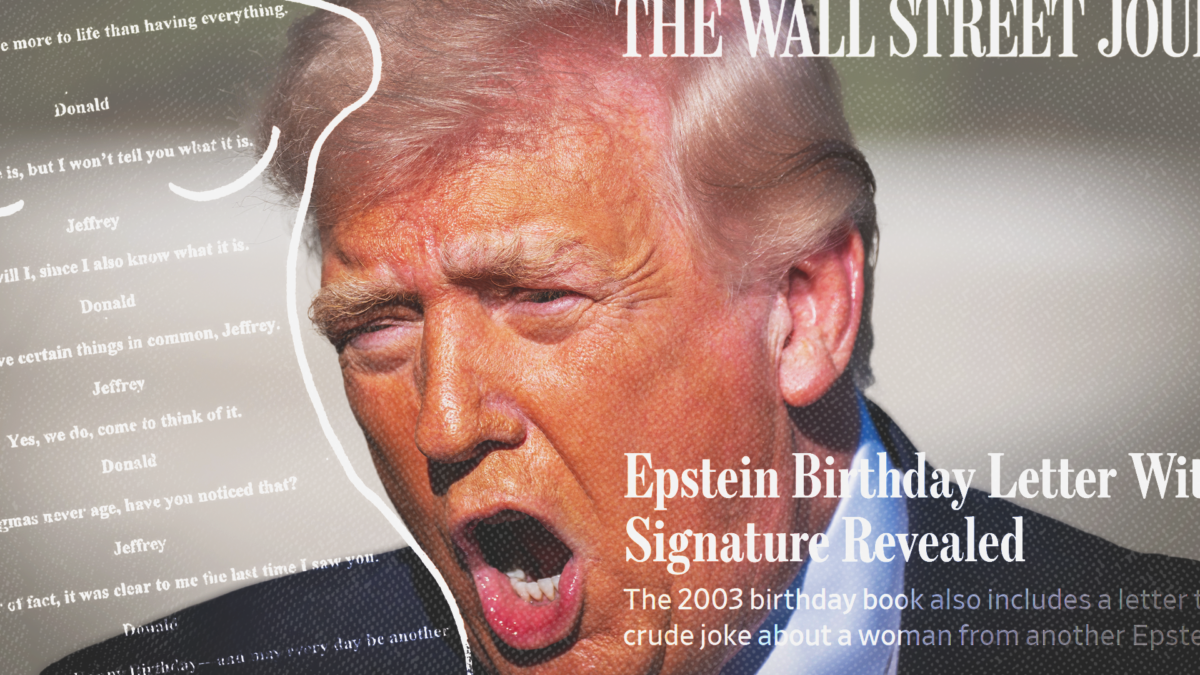
Federal Judge Dismisses Trump's $10 Billion Defamation Lawsuit Against Wall Street Journal Over Epstein Letter
A federal judge in Florida dismissed President Donald Trump's defamation lawsuit against The Wall Street Journal and related parties on April 13, 2026. The suit stemmed from a 2025 article reporting on a 2003 birthday letter allegedly sent by Trump to Jeffrey Epstein. The dismiss…
 Semafor
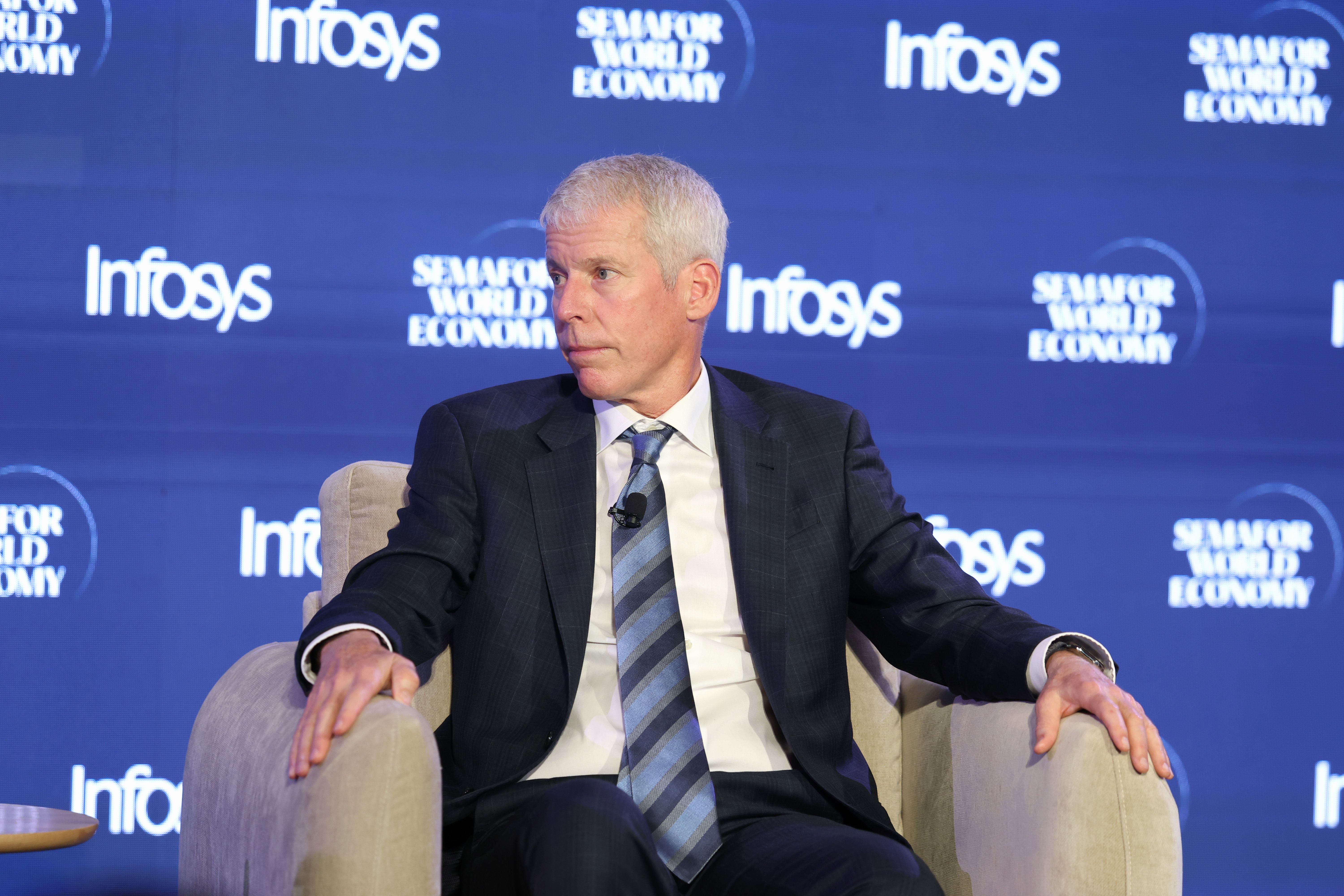
US Energy Secretary Sees Aggressive Timeline for Oil Prices to Decline by Summer
US Energy Secretary Chris Wright stated that a decline in oil and gas prices by this summer represents an aggressive timeframe. His comments followed President Donald Trump's remark that gas prices could rise before midterm elections. Separately, Chinese industrial profits rose 1…
 Washington Examiner
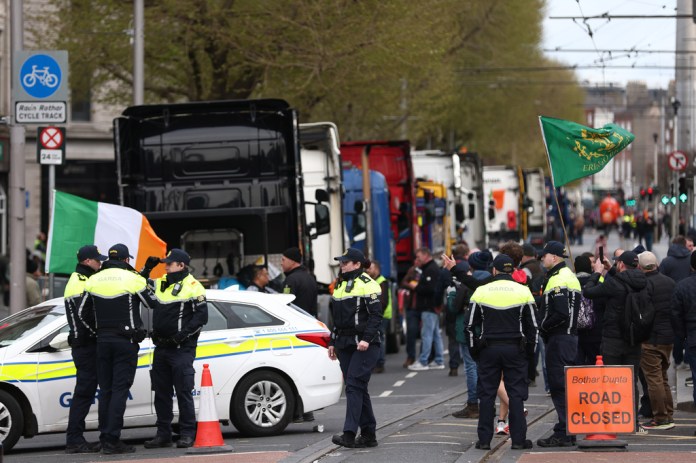
Qantas Airways Cuts Domestic Capacity Amid Surging Fuel Costs from Iran War
Qantas Airways has reduced its domestic flight capacity due to sharply increased fuel costs linked to the war in Iran. German officials announced a temporary cut in gasoline and diesel duties to ease consumer impacts. Protests over high fuel prices have erupted in Ireland, blocki…