Survey Shows Changes in Arab Public Views of United States Amid Regional Wars
A recently released survey indicates shifts in how Arab publics perceive the United States due to ongoing wars in Gaza, Iran, and other areas. The findings highlight evolving attitudes in the region. Researchers have analyzed the data to detail these changes.
 Antoine Walter / Wikimedia (CC BY-SA 2.0)
A newly released survey has documented alterations in Arab public opinions toward the United States, influenced by conflicts in Gaza, Iran, and additional locations. The survey, conducted by an organization focused on regional polling, captures sentiments from multiple Arab countries. These views reflect broader geopolitical dynamics in the Middle East.
The survey reveals that perceptions of the United States have shifted amid these wars. Respondents from various Arab nations expressed opinions shaped by recent events. The data provides insight into how international conflicts affect regional attitudes toward foreign powers.
Background on the survey includes its methodology, which involved polling a representative sample of individuals across the Arab world. S. policies and involvement in regional affairs. The timing of the survey coincides with heightened tensions from the mentioned conflicts.
Key Findings from the Survey Results indicate a notable change in favorability ratings for the United States among Arab publics.
Specific metrics show variations by country, with some areas reporting decreased positive views. The wars in Gaza and Iran are cited as primary factors influencing these shifts. -Arab relations. Public opinions could impact diplomatic engagements and economic ties in the region.
Stakeholders in foreign policy may use this data to assess communication strategies.
Context and Regional Stakes The conflicts in Gaza and Iran have drawn international attention, affecting multiple stakeholders.
Arab publics, numbering in the millions, are directly impacted by these events through humanitarian, economic, and security concerns. The survey underscores how such wars contribute to evolving perceptions of external actors like the United States. S.
approaches to the region. Ongoing monitoring of public sentiment could inform future policy decisions. The survey's release provides a snapshot that may guide discussions on international relations. This analysis maintains a focus on factual reporting from the survey data.
No specific outcomes or predictions are made beyond the reported changes. S. perceptions.
Story Timeline
2 events- Recent release
Survey documenting changes in Arab views of U.S. due to wars is published.
1 source@ForeignAffairs - Ongoing
Wars in Gaza, Iran, and other areas influence public opinions in Arab countries.
1 source@ForeignAffairs
Potential Impact
- 01
U.S. diplomatic efforts in Arab world may face adjusted public reception.
- 02
Stakeholders may review communication strategies based on opinion changes.
- 03
Foreign policy discussions could incorporate survey findings on attitudes.
- 04
Regional media coverage of U.S. relations might reference the survey data.
Transparency Panel
Related Stories
 Nbc News
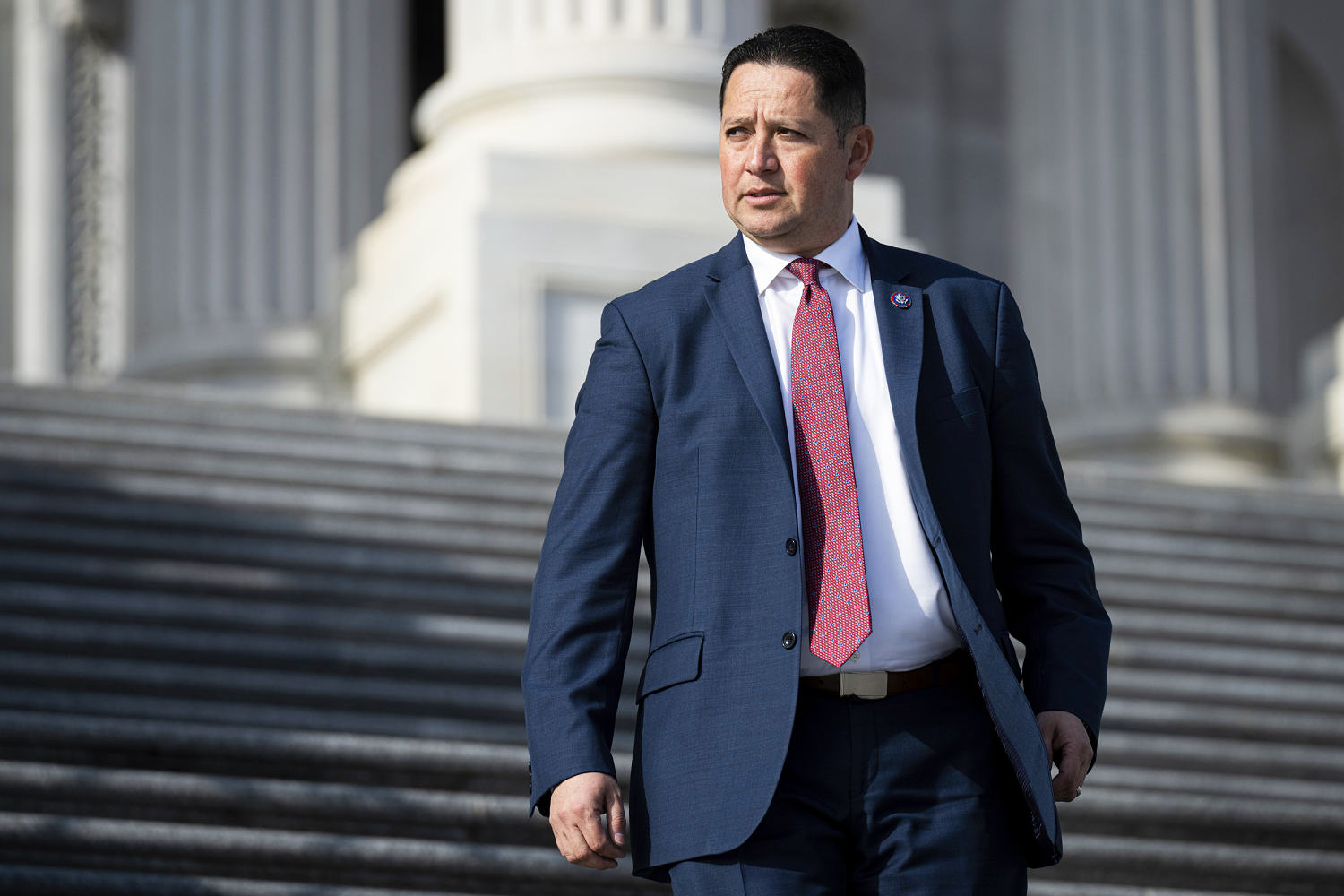
Rep. Tony Gonzales Announces Retirement from Congress Amid Ethics Probe Over Staffer Relationship
Rep. Tony Gonzales, R-Texas, announced on Monday that he will retire from Congress following a House Ethics Committee probe into his relationship with a former staffer who died by suicide. The announcement follows his decision last month to drop his re-election bid. Separately, R…
 reason.com
US Imposes Blockade on Strait of Hormuz Amid Tensions with Iran
President Trump has ordered a blockade of the Strait of Hormuz, with the measure coming into force as the United States blocks vessels doing business with Iran. Trump warned that Iranian fast attack ships approaching the blockade will be eliminated. TotalEnergies CEO Patrick Pouy…
 The Washington Post
Brazil's Former Intelligence Chief Alexandre Ramagem Detained by ICE in the United States
Alexandre Ramagem, Brazil's former intelligence agency chief and congressman, was arrested by U.S. Immigration and Customs Enforcement agents in Orlando. He had fled Brazil after his conviction for involvement in an alleged coup attempt with former President Jair Bolsonaro. The d…