1.7 Million Attend Hajj Pilgrimage in Mecca
More than 1.7 million people completed the annual Hajj in Mecca last week. Temperatures exceeded 100 degrees Fahrenheit during the spring event, which historically occurs in cooler months.
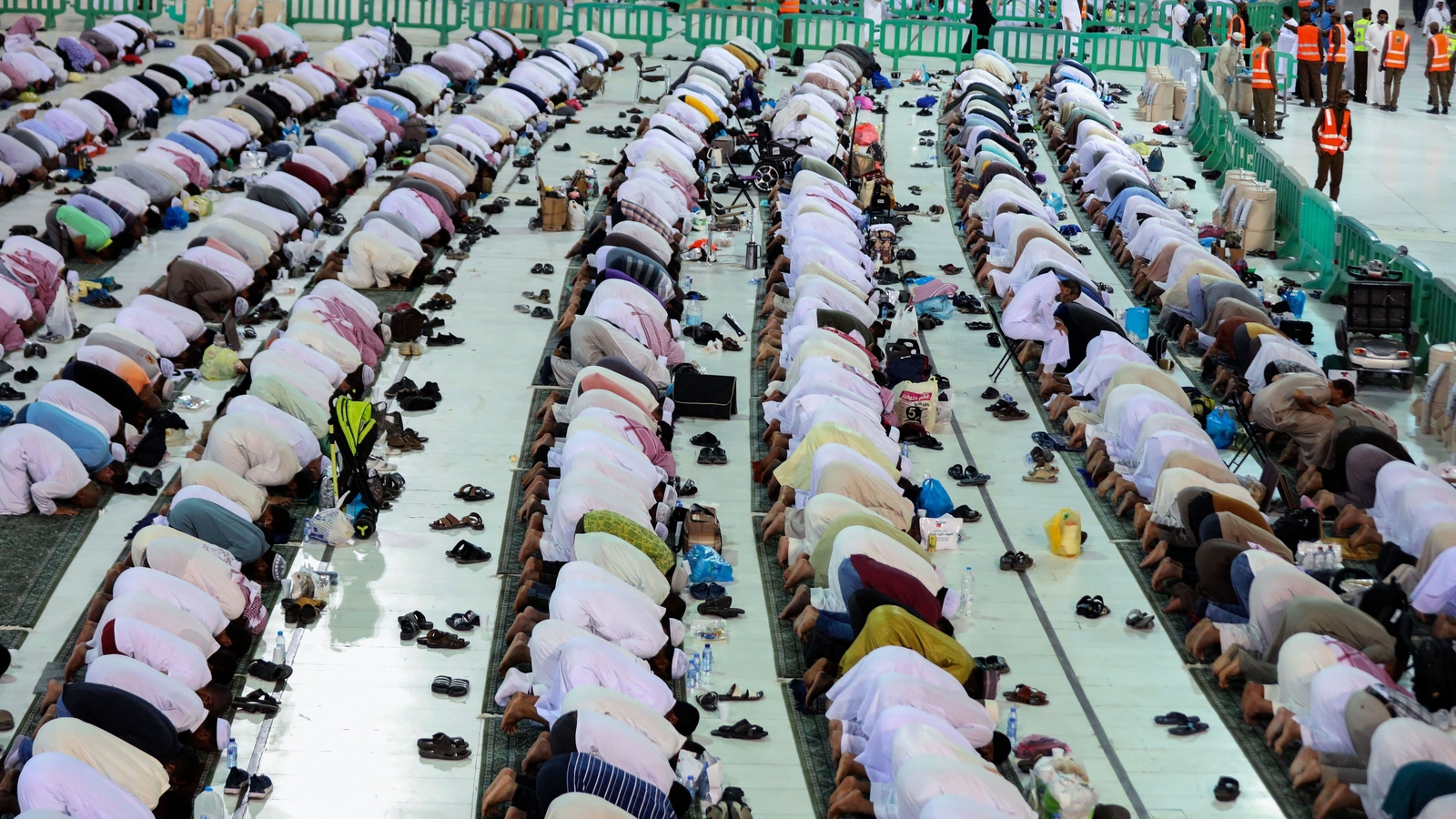 rte.ie
More than 1.7 million people participated in the annual Islamic pilgrimage to Mecca in Saudi Arabia last week. The five- to six-day event requires participants to travel dozens of miles through desert areas while visiting holy sites. The pilgrimage occurs according to the Islamic lunar calendar.
This year and the next two decades place Hajj in cooler seasons, though temperatures still exceeded 100 degrees Fahrenheit.
A study published last year found that upper limits of human heat tolerance were exceeded for 43 hours during the six days of the 2024 Hajj. Many participants are older than 65 and travel from regions with lower temperatures. Saudi Arabia has introduced heat-action plans that include additional shade, free water, air-conditioned buses, and misting areas.
A 2024 study analyzing 40 years of data found these measures reduced heat stress and exhaustion cases.
A World Weather Attribution analysis found that average daily temperatures in Mecca this May were nearly as high as average summertime temperatures from 1970 to 1990. The researchers stated this level of heat is more likely than it would have been in a preindustrial climate.
The Hajj is not scheduled to occur during summer months again until around 2050. The analysis indicates that less of the year remains within temperature ranges previously considered safe for the event.
Transparency
Reported by a single outlet. This score reflects source tier and factual specificity — corroboration is limited with one source.
Story details
Related Stories
 indianexpress.com
Netanyahu Opposes West Bank Antiquities Bill After IDF Warns It Violates International Law
Discussions on legislation expanding Israeli government authority over antiquities and land in the West Bank have halted after Prime Minister Benjamin Netanyahu voiced opposition, a coalition source told Haaretz.
 Japan Times
Bear Attacks Four in Fukushima City as Sightings Hit Record High Amid Rural Depopulation
A bear attacked workers at a car parts factory and an electronics plant and injured a resident in Fukushima City on Tuesday. One person suffered serious injuries and three had minor wounds; the animal has not been found.
Ebola Response Expands in Eastern DRC Despite Equipment and Tracing Challenges
Dr. Abdou Sebushishe of the International Medical Corps told CNN that efforts to contain the outbreak are growing while protective gear, contact tracing, and public trust remain limited.