Ceasefire Between US and Iran Set to End on April 21 Amid Mediation Efforts
A ceasefire between the United States and Iran is scheduled to conclude on April 21, 2026. Mediators are employing the approaching deadline as a tool to encourage negotiations. The discussions center on differences in proposals regarding Iran's uranium enrichment activities.
 U.S. Department of State / Wikimedia (Public domain)
Mediators involved in the talks are using the countdown to the deadline to apply pressure on both parties to reach an agreement. This approach relies on the assessment that neither side seeks a return to full-scale conflict.
Negotiations have focused on Iran's nuclear program, particularly uranium enrichment. In response, Iran has offered a single-year freeze.
The gap between these positions highlights the challenges in the ongoing discussions. Mediators aim to bridge this divide before the ceasefire ends. The expiration of the agreement could lead to heightened tensions if no progress is made.
Background on the Ceasefire The ceasefire was established to provide a framework for diplomatic engagement following prior escalations between the two nations.
It has allowed for mediated talks to address longstanding issues, including nuclear development and regional security. Both sides have participated in these sessions to explore pathways to de-escalation. Uranium enrichment remains a central point of contention.
Iran's counterproposal reflects its perspective on shorter-term limitations while maintaining its nuclear rights under international agreements.
Implications of the Deadline As the April 21 deadline approaches, mediators continue to facilitate dialogue.
The strategy of leveraging the timeline seeks to motivate concessions from both parties. Failure to agree could result in the resumption of hostilities, affecting regional stability. The talks involve technical details on verification and compliance mechanisms.
International observers have noted the importance of these negotiations for broader Middle East dynamics. Stakeholders, including affected populations in the region, await outcomes that could influence security and economic conditions. Next steps include additional rounds of discussions in the coming days.
The international community monitors these developments closely for their potential impact on global non-proliferation efforts.
Story Timeline
3 events- April 21, 2026
Ceasefire between US and Iran is set to expire.
1 source@MarioNawfal - Current period
Mediators use countdown to deadline as leverage in negotiations.
1 source@MarioNawfal - During talks
US proposes 20-year enrichment freeze; Iran offers one-year freeze.
1 source@MarioNawfal
Potential Impact
- 01
Failure to agree could lead to renewed military tensions between US and Iran.
- 02
Negotiations may intensify in the week leading to April 21 deadline.
- 03
Progress on enrichment freeze might stabilize regional security dynamics.
- 04
International observers could increase monitoring of nuclear activities post-deadline.
Transparency Panel
Related Stories
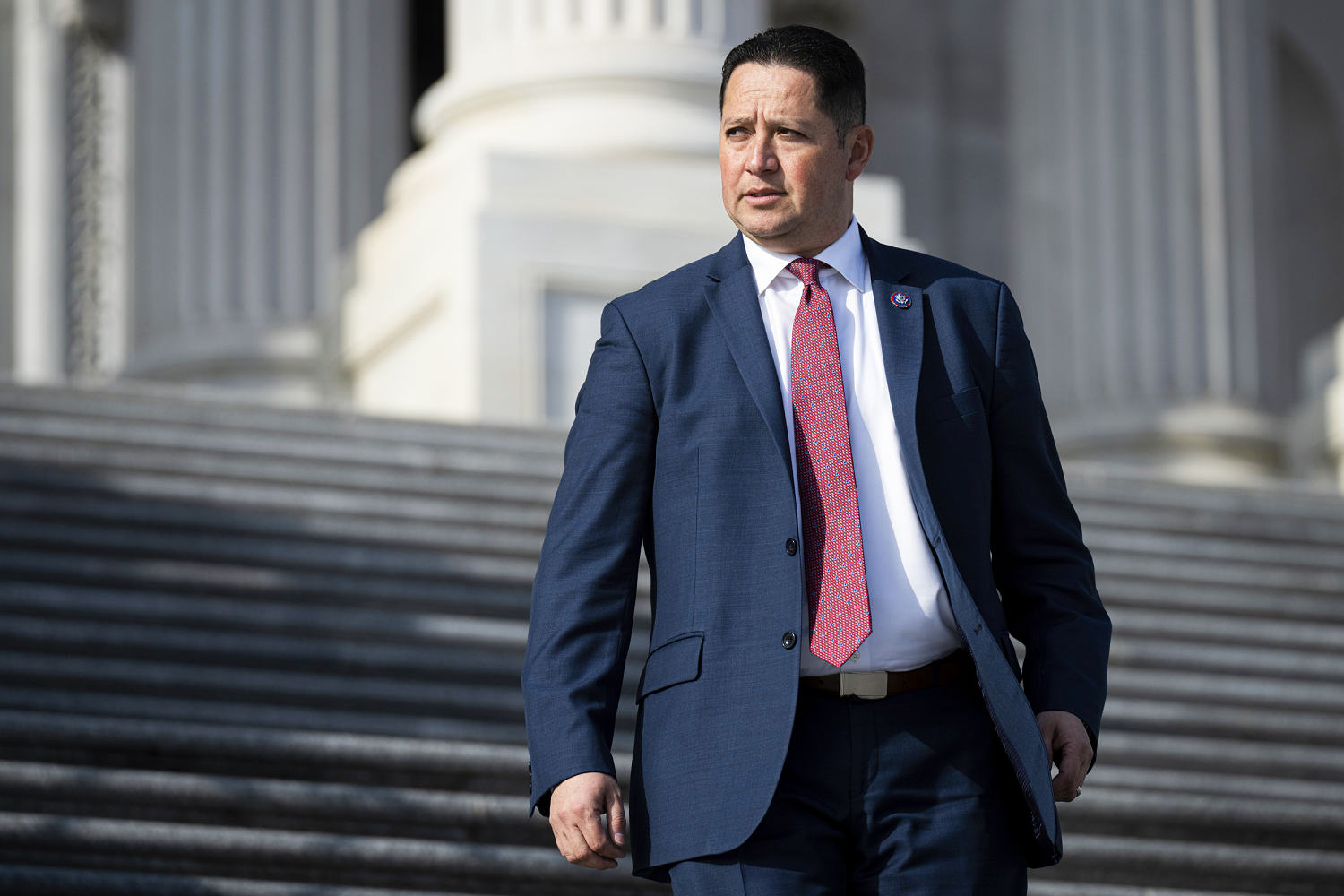 Nbc News
Rep. Tony Gonzales Announces Retirement from Congress Amid Ethics Probe Over Staffer Relationship
Rep. Tony Gonzales, R-Texas, announced on Monday that he will retire from Congress following a House Ethics Committee probe into his relationship with a former staffer who died by suicide. The announcement follows his decision last month to drop his re-election bid. Separately, R…
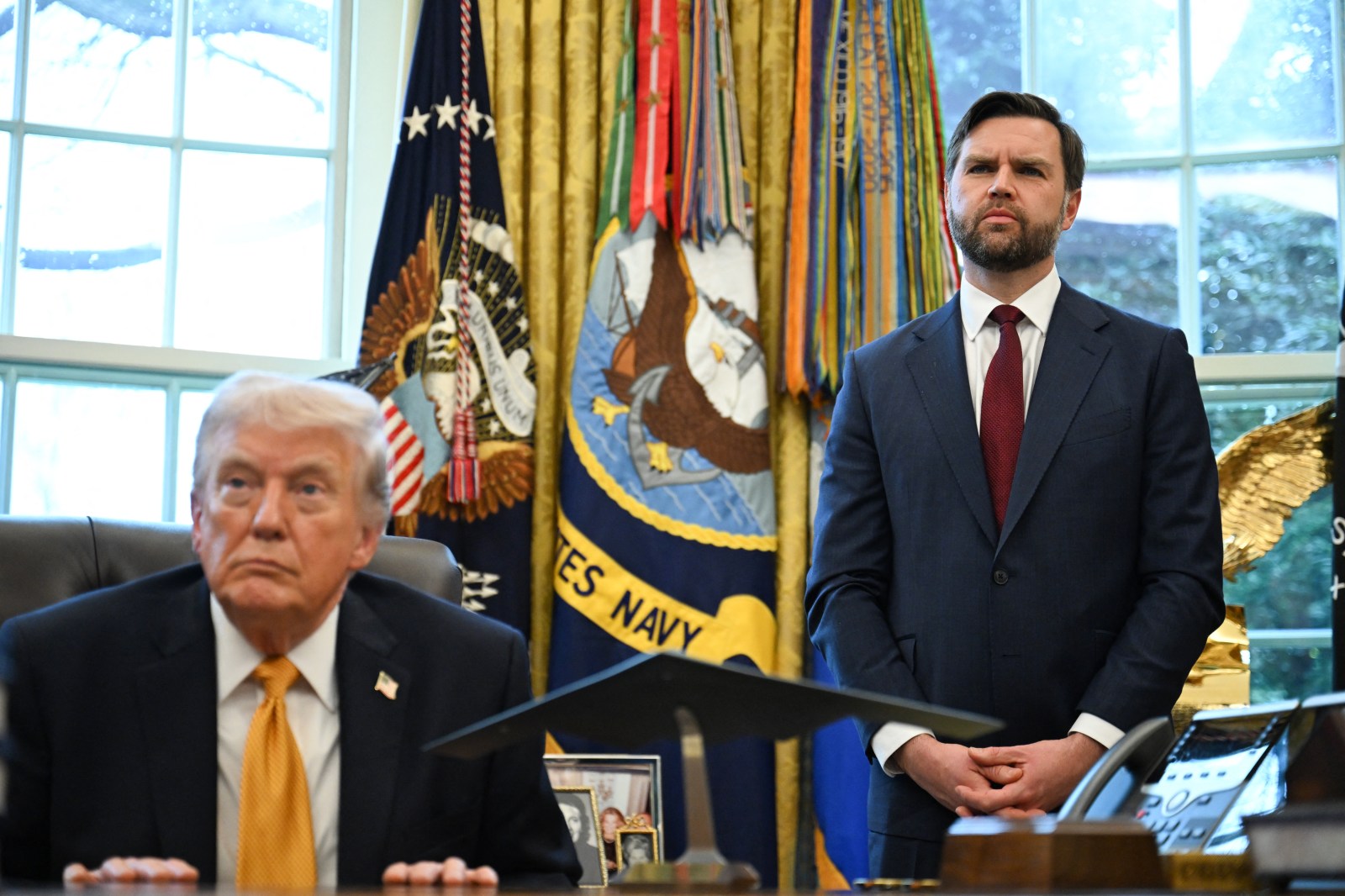 Newsweek
US President Posts and Deletes AI-Generated Image Depicting Himself as Jesus Amid Feud with Pope
The US president shared an AI-generated image on social media showing himself in a Jesus-like pose, which he later deleted. The post followed criticism of the pope over foreign policy and the ongoing Iran war. Backlash emerged from conservative supporters who described the image…
 usembassykyiv / Wikimedia (Public domain)
Treasury Secretary Bessent Announces Executive Order Requiring Banks to Collect Customer Citizenship Data
U.S. Treasury Secretary Scott Bessent stated that an executive order requiring banks to collect citizenship information from customers is in process. Bessent, confirmed by the Senate in a 68-29 vote, was selected by President-elect Donald Trump. He will oversee implementation of…