14 IRGC Members Killed in Unexploded Ordnance Detonation in Iran
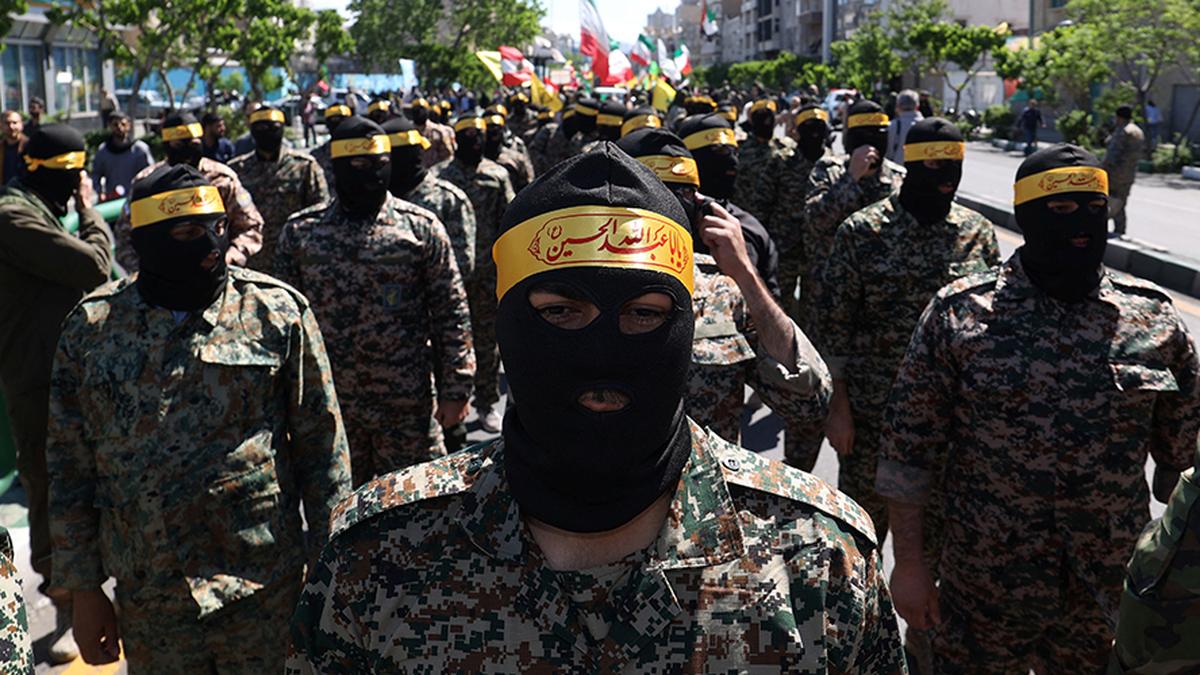
Iranian media reported that 14 members of the Islamic Revolutionary Guard Corps were killed and two injured in an incident involving unexploded ordnance in Zanjan province. U.S. President Trump stated that negotiations with Iran are ongoing via phone amid an ongoing conflict. A timeline of events marks 60 days since the start of hostilities involving the U.S., Israel, and Iran.
thehindu.comThe personnel were part of a specialized unit clearing unexploded munitions from an area that has placed approximately 1,200 hectares of agricultural land at risk, according to Iran's Fars news agency. and Iran are conducting negotiations over the phone.
He said the U.S. pulled a team that was scheduled to travel to Islamabad the previous weekend due to the travel time and an unacceptable deal. Trump added that Iran cannot have a nuclear weapon, which he described as a key consideration.
Trump stated he is not satisfied with Iran's latest proposal and is unsure if a deal will be reached. Iran's Foreign Minister Araghchi stated that Iran is ready to pursue diplomacy if the U.S. alters its expansionist approach and threatening rhetoric.
Trump also stated that he prefers not to resume large-scale strikes on Iran and that the U.S. blockade on Iranian ports has been effective. Trump predicted that oil and gas prices will decrease after the conflict ends. He claimed that if the U.S. left the situation as is, it would take Iran 20 years to rebuild.
When asked about considering more strikes, Trump responded by asking why he would disclose that information.
Today marks 60 days since the conflict began on February 28, when the U.S. and Israel launched strikes on Iran targeting its missiles and missile industry. Iran responded with missile and drone attacks on U.S. military bases and assets in the region.
A 14-day ceasefire was announced on April 8 and later extended following mediation by Pakistan. High-level talks in Islamabad on April 11 and 12 ended without a deal. The U.S. imposed a naval blockade on Iranian ports on April 13 to limit Iran's economic capacity.
A second round of negotiations scheduled for April 20 and 21 did not proceed, with Trump canceling the U.S. delegation's travel and Iranian officials stating they had no plans to participate.
Israel's military conducted attacks in southern Lebanon, resulting in the deaths of a woman and a child in Habboush. Lebanon's Parliament Speaker Nabih Berri stated that the declared ceasefire is allowing Israel to escalate its aggression and questioned the truce's effectiveness.
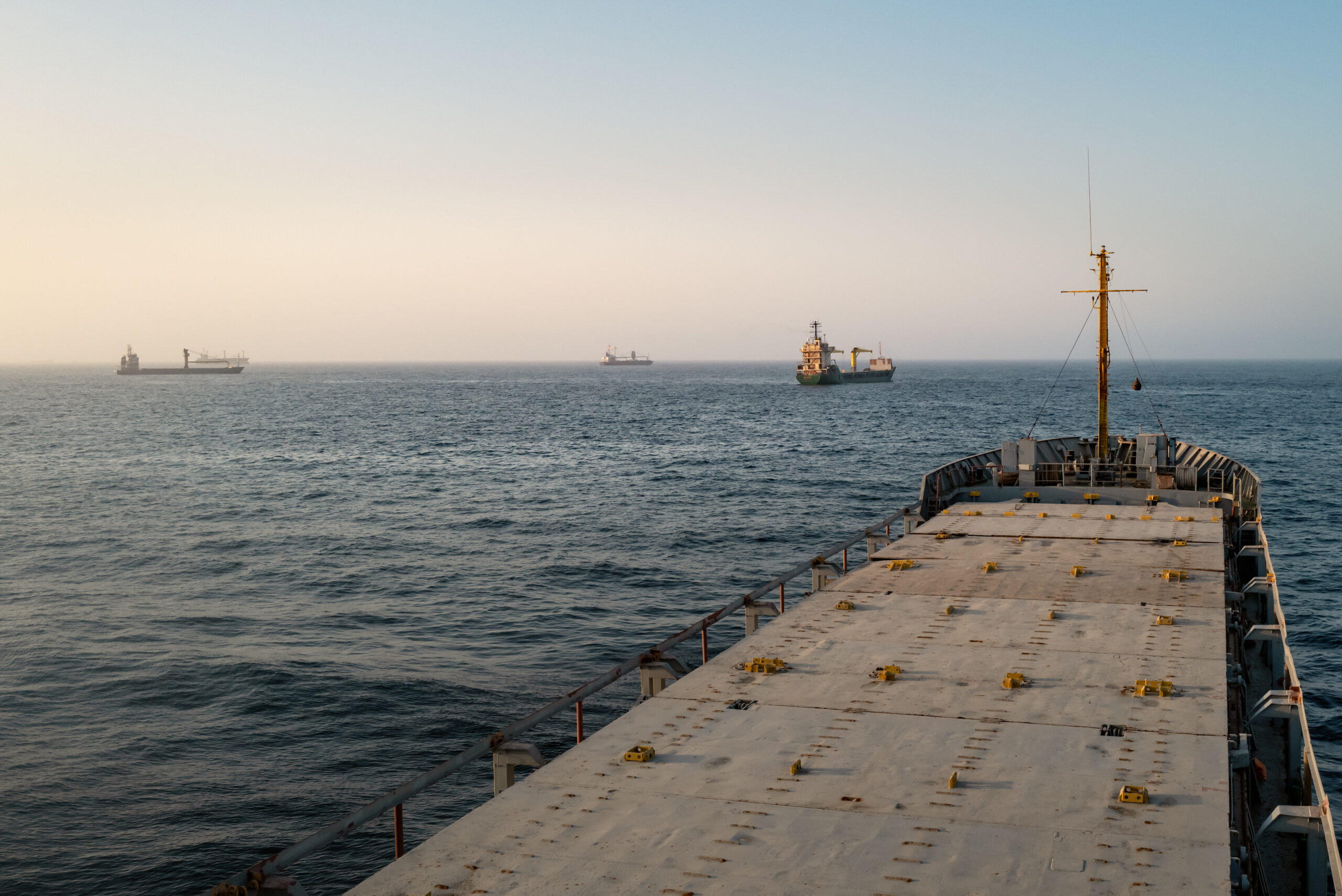
The U.S. Treasury announced potential sanctions on shippers paying tolls to Iran for transit through the Strait of Hormuz. Harold Hung Koh, a former legal adviser at the U.S. State Department, stated that the U.S. strikes on Iran were not in response to an imminent threat, making the war unlawful from the beginning.
Koh noted inconsistencies in U.S. claims about threats from Iran's nuclear program and referenced a recent State Department statement that the U.S. has been at war with Iran for 47 years without congressional declaration. Koh added that the conflict has reached the 60-day mark under the 1973 War Powers Resolution, requiring congressional approval to continue hostilities.
Koh stated that the war has impacted the economy, environment, and oil prices. He said Trump faces challenges in claiming victory or withdrawing, particularly with midterm elections approaching, and that using U.S. ground troops could risk more casualties.
Koh noted that Democrats are using the War Powers Resolution to force votes, potentially eroding Republican support. He suggested he would not seek congressional authorization for the conflict. Alan Fisher, reporting from Washington DC for Al Jazeera, provided context on Trump's remarks, noting that nuclear discussions could be a sticking point, including a potential ceasefire, opening the Strait of Hormuz, lifting the blockade, and addressing Iran's nuclear program.
Key Facts
Story Timeline
5 events- 17:48 GMT
14 IRGC members were killed and two injured in unexploded ordnance detonation in Zanjan province.
1 source@AJEnglish - April 20-21
Second round of US-Iran negotiations stalled, with US delegation canceled and Iran declining participation.
1 source@AJEnglish - April 13
US imposed naval blockade on Iranian ports to limit economic capacity.
1 source@AJEnglish - April 8
14-day ceasefire between US and Iran announced and later extended via Pakistan mediation.
1 source@AJEnglish - February 28
US and Israel launched strikes on Iran, prompting Iranian retaliatory attacks on US assets.
1 source@AJEnglish
Potential Impact
- 01
Negotiations may lead to a ceasefire and reopening of the Strait of Hormuz.
- 02
Congressional votes on War Powers Resolution may erode Republican support for the war.
- 03
Oil and gas prices could decrease if conflict resolves, as stated by Trump.
- 04
Clearing operations in Iran may continue to risk agricultural land and personnel.
- 05
US sanctions on shippers could further disrupt global energy supplies.
Transparency Panel
Related Stories
The GuardianWHO Chief Visits DRC as Ebola Death Rate Reaches 30-50%
World Health Organization director-general Tedros Adhanom Ghebreyesus arrived in the Democratic Republic of the Congo to support containment of a new Ebola outbreak. The agency revised the death rate to 30-50% based on confirmed cases and recorded 10 confirmed and 223 suspected d…
westernjournal.comGreek National Charged in UK With Aiding Iran-Linked Intelligence Service
A 46-year-old Greek man living in Germany was charged under the UK National Security Act with assisting an intelligence service believed to be Iran by targeting a journalist at Iran International.
physicianonfire.comBilt Rewards reports $1 billion revenue target for 2026
Bilt Rewards CEO Ankur Jain said the company's flagship credit card accounts for less than 11 percent of revenue. The firm now processes more than $100 billion in annual housing spend across one in four U.S. apartment buildings.