1640 Mount Parker Eruption May Have Worsened Drought Before Ming Dynasty Fell in 1644
A new study connects a major volcanic eruption in the southern Philippines to the 1644 fall of China’s Ming Dynasty through drought and crop failure.
 The Independent
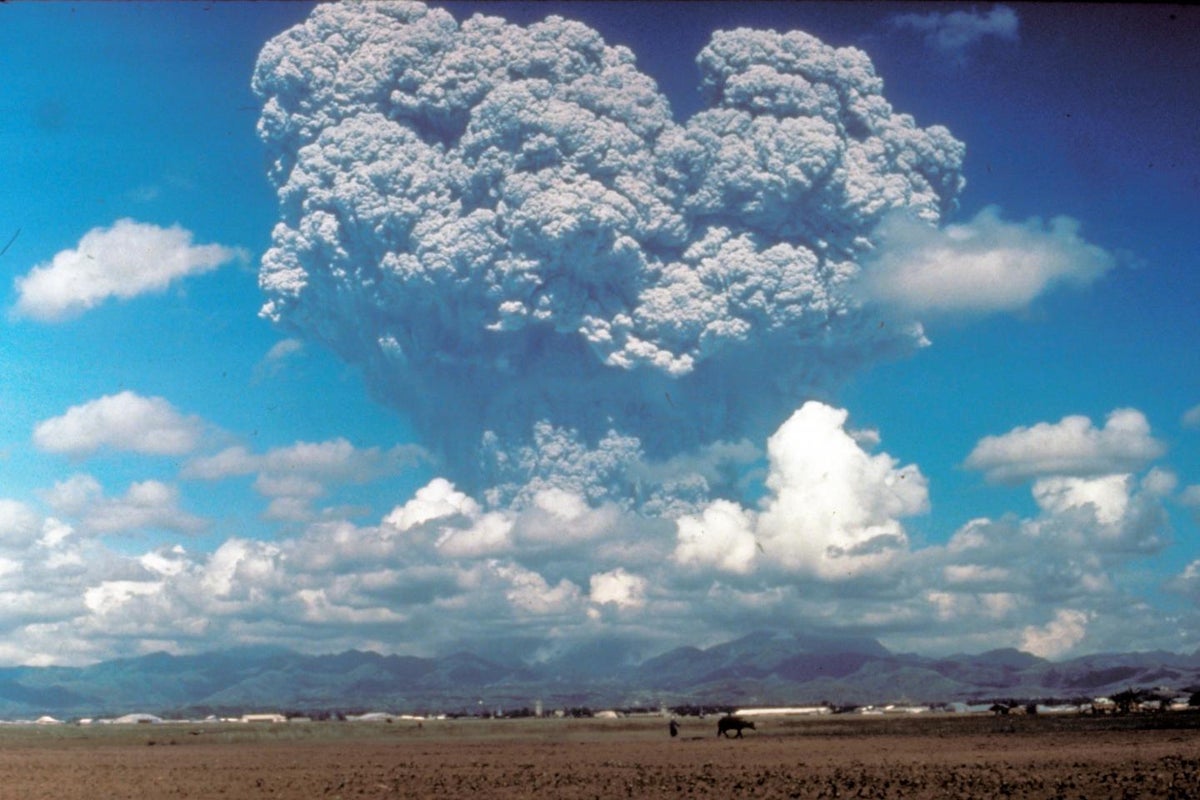
A major volcanic eruption at Mount Parker in the southern Philippines between December 1640 and January 1641 contributed to the collapse of China’s Ming Dynasty in 1644, according to a study published in the journal Climate of the Past. The study states that the Parker eruption led to a prolonged and severe drought that potentially contributed to the collapse of the Ming dynasty.
Researchers found that the eruption released large amounts of sulphate aerosols into the upper atmosphere, blocking sunlight and causing global cooling that disrupted East Asian monsoon systems and intensified drought in northern China.
The Ming Dynasty had ruled for 276 years before its collapse. In 1644 a peasant rebel army led by Li Zicheng captured Beijing, after which the last Ming emperor killed himself. Scholarly accounts have long attributed the dynasty’s fall to ineffective rulers, famines, corruption, and economic fallout.
The new study assessed data on past major volcanic eruptions and the global temperature changes that followed, concluding that such events acted as stress multipliers of existing civic unrest. The Mount Parker eruption contributed to severe crop failures, famine, social unrest, and weakening of state finances that aggravated already existing political crises, researchers say.
The cooling from the eruption intensified the drought that preceded the fall of the Ming dynasty in 1644.
The results align with previous studies’ findings that massive volcanic eruptions are linked to many Chinese dynastic collapses over the last two millennia. Coupled with silver shortages, military pressure from the northeast, and peasant uprisings, the effects of the volcanic eruption brought down the dynasty even further, the study says.