Anthropic Co-Founder Warns of Upcoming AI Capabilities for Exploiting Web Vulnerabilities
Anthropic's co-founder stated that powerful AI models capable of exploiting website vulnerabilities will emerge soon. The company's new model, Claude Mythos, identified unknown security flaws in major web browsers and operating systems. Financial authorities have responded by discussing risks with bank leaders.
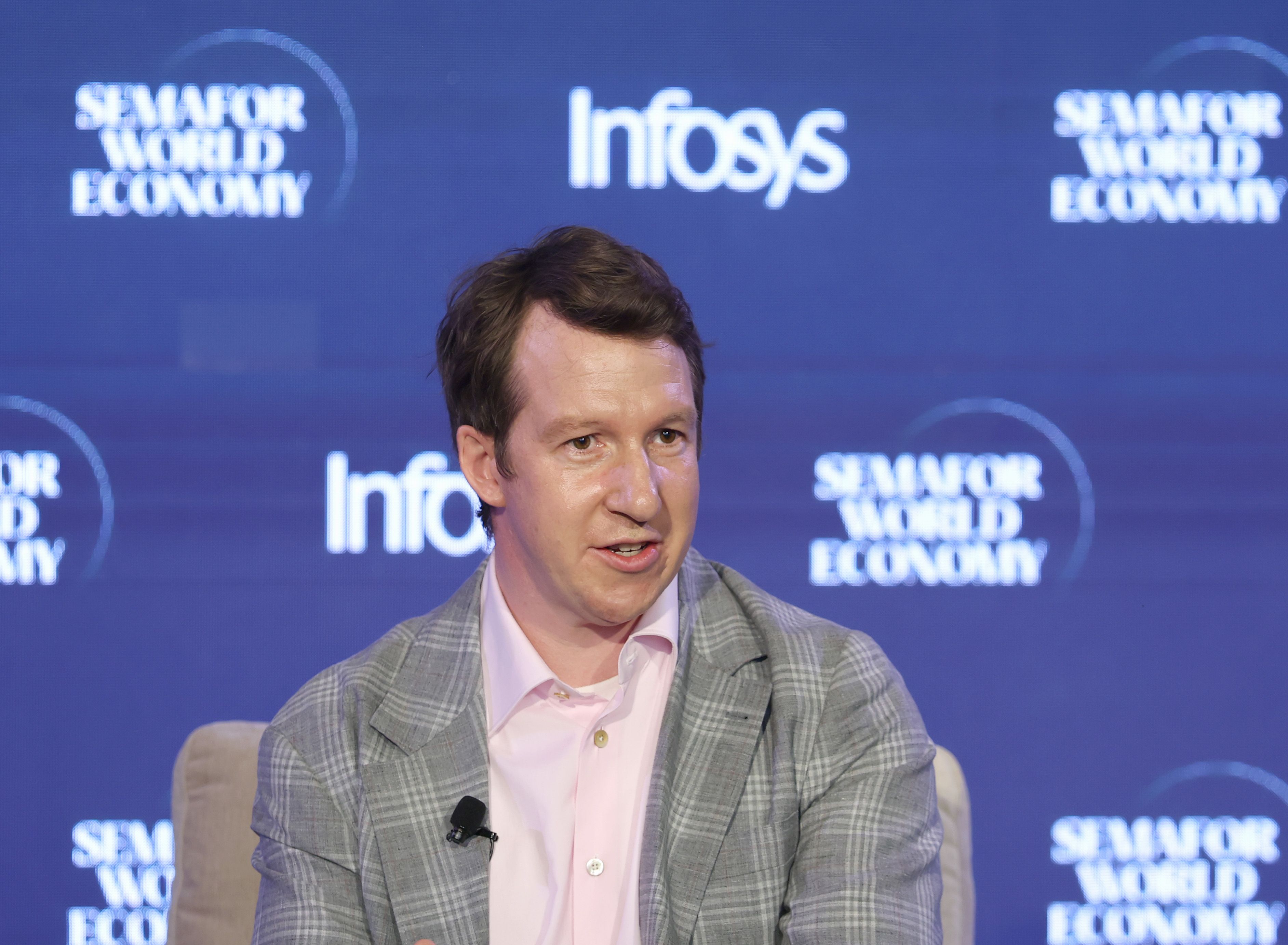 Semafor
Anthropic’s head of policy addressed the development of advanced AI models at an event. He stated that the world must “get ready” for AIs that can exploit vulnerabilities in websites within the next few months. This warning came during a discussion on AI's potential impact on security.
Anthropic recently developed Claude Mythos, a new AI model. The model discovered previously unknown security flaws in every major web browser and operating system. These findings prompted concern within the company about broader implications for digital infrastructure.
To manage risks, Anthropic has limited the release of Claude Mythos to select organizations. These groups are assisting Anthropic in identifying and addressing additional vulnerabilities. The head of policy emphasized that Claude Mythos is not unique and that similar models from other companies will appear soon.
Emerging AI Capabilities The head of policy noted that within a year and a half, open-source AI models from China will possess comparable capabilities.
This timeline highlights the rapid pace of AI advancement globally. Such developments could affect various sectors reliant on secure digital systems. The release of Claude Mythos has raised concerns among financial authorities.
The US Treasury secretary summoned leaders of US banks to discuss risks to financial security. British banking regulators took similar steps to address potential threats to the banking industry.
Regulatory and Industry Responses Executives have reported that AI could introduce cyber risks to banking operations.
These discussions underscore the need for preparedness in the financial sector. The events follow ongoing efforts to balance AI innovation with security measures. Background on AI models like Claude Mythos includes their training on vast datasets to perform complex tasks, including vulnerability detection.
Major web browsers and operating systems form the backbone of internet access and device functionality, affecting billions of users worldwide. Vulnerabilities in these systems could enable unauthorized access or data breaches if exploited. The stakes involve protecting critical infrastructure from AI-assisted threats.
Affected parties include technology companies, financial institutions, and end-users. Next steps may involve coordinated efforts to patch identified flaws and develop standards for AI safety.
Story Timeline
4 events- April 13, 2026
Anthropic co-founder speaks at Semafor World Economy on AI hacking capabilities.
1 sourceSemafor - Recent
Claude Mythos identifies unknown security flaws in major browsers and OS.
1 sourceSemafor - Recent
US Treasury secretary summons US bank leaders to discuss AI risks.
1 sourceSemafor - Projected: 1.5 years
Open-source AI models from China expected to gain similar capabilities.
1 sourceSemafor
Potential Impact
- 01
Financial institutions may enhance cybersecurity measures against AI threats.
- 02
Open-source AI proliferation could increase hacking risks worldwide.
- 03
Technology companies could accelerate vulnerability patching efforts.
- 04
Global regulators might develop new AI safety standards.
- 05
Select organizations assist in plugging AI-detected security holes.
Transparency Panel
Related Stories
 Los Angeles Times
Gallup Poll Shows Increasing AI Use Among US Workers with Persistent Skepticism
A Gallup poll conducted in February indicates that more American workers are using artificial intelligence in their jobs, with about 3 in 10 using it frequently. However, skepticism remains common, with many non-users citing preferences for traditional methods, ethical concerns,…
 Federal Bureau of Investigation / Wikimedia (Public domain)
AI Assistant Poke Charges Billionaire $136,000 Monthly Fee
Poke, an AI assistant without a price ceiling, charged one billionaire $136,000 a month. Marvin von Hagen stated this pricing detail. The information highlights Poke's premium service model.
 Brina Schenk with UBC and Douglas College / Wikimedia (CC BY 4.0)
Microsoft Tests OpenClaw-Like AI Bots for Integration into 365 Copilot
Microsoft is testing AI bots similar to OpenClaw for its 365 Copilot assistant. The effort aims to enable autonomous operation around the clock to complete user tasks. The company plans to demonstrate features at its Build conference on June 2nd.