2025 Study Estimates 1.4 Billion People Live in Areas with Heavy Metal Soil Pollution
A 2025 study published in Science estimated that approximately 1.4 billion people worldwide live in areas where soil is contaminated with heavy metals such as arsenic, cadmium, cobalt, chromium, copper, nickel, and lead. The study highlights the global extent of soil pollution and its potential risks.
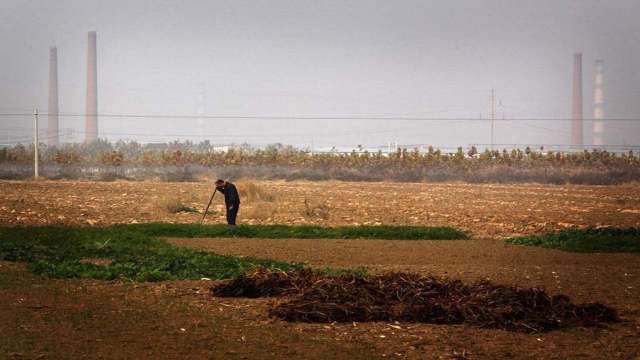 dnaindia.com
4 billion people live in regions where soil contains dangerous levels of heavy metals including arsenic, cadmium, cobalt, chromium, copper, nickel, and lead. These metals are known to pose environmental and health risks. The research provides a global assessment of soil contamination, identifying widespread areas affected by heavy metal pollution.
The findings suggest that soil pollution is a significant issue that may impact large populations worldwide. The study emphasizes the need for further research and monitoring to understand the implications of heavy metal contamination in soil and to develop strategies for managing and mitigating these risks.
Story Timeline
1 event- 2025
Study published estimating 1.4 billion people live in heavy metal-contaminated soil areas.
1 source@ScienceMagazine
Potential Impact
- 01
Increased monitoring of soil pollution may be prioritized in affected regions.
- 02
Public health initiatives could address exposure risks from contaminated soil.
- 03
Environmental policies may be reviewed to mitigate heavy metal contamination.
Transparency Panel
Related Stories
 NASA Johnson Space Center / Wikimedia (Public domain)
NASA's Artemis II Completes First Manned Moon Mission Since 1972, Sets Distance Record
NASA's Artemis II mission completed a flight around the moon and splashed down in the Pacific Ocean on Saturday. The mission marks the first manned moon mission since 1972 and set a record for the furthest humans have travelled into space at 252,756 miles (406,771km). Meanwhile,…
 forbes.com
Federal Court Dismisses Trump Administration Lawsuit Against Hawaii Climate Case
A federal judge dismissed a lawsuit filed by the Trump administration that sought to block Hawaii from suing oil companies over climate change. The court ruled the administration lacked legal standing due to speculative claims of harm.
 winnipegfreepress.com
Two Studies Report AMOC Slowdown Evidence from Models and Observations
Recent research published in Science Advances and by University of Miami scientists shows the Atlantic Meridional Overturning Circulation (AMOC) is weakening across multiple latitudes. The studies indicate the decline is stronger than previous climate model estimates and may appr…