Chinese Electric Vehicle Exports Rise 124% in First Quarter Amid Global Energy Challenges
Chinese exports of electric vehicles increased by 124% in the first quarter of 2026. This growth occurs as higher oil prices affect East Asia due to the war in the Middle East. China's investments in green energy and crude oil stockpiles have helped it manage the situation.
 Semafor
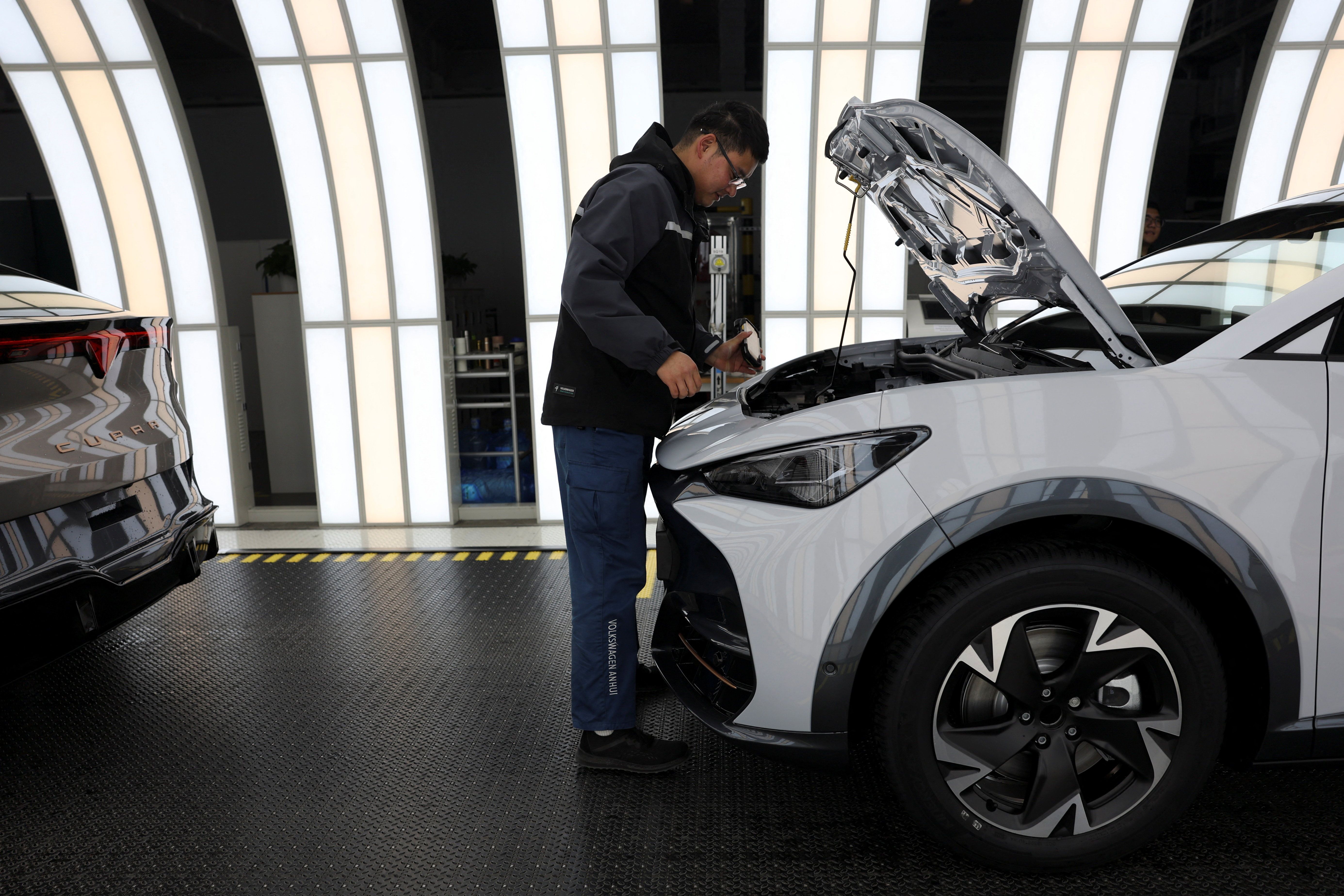
Chinese electric vehicle exports rose by 124% in the first quarter of 2026 compared to the same period in the previous year. This increase takes place amid a global energy crunch driven by higher oil prices. The war in the Middle East has contributed to soaring gasoline prices worldwide.
While many countries in East Asia face disruptions from elevated oil costs, China has maintained stability. The country has expanded its green energy infrastructure, including solar and wind power. Additionally, China holds large stockpiles of crude oil, which have supported its energy supply during the price shock.
China produces around 80% of the world's solar panels. It is also home to the four largest manufacturers of wind turbines. These positions in renewable energy production position Chinese companies to benefit from global shifts toward energy independence.
Factors Supporting China's Energy Resilience Countries around the world are increasing investments in renewable energy sources.
This trend aims to reduce reliance on imported fossil fuels amid volatile oil markets. Chinese producers of renewable technologies stand to gain from this demand. The first-quarter export surge in electric vehicles reflects broader trends in China's manufacturing sector.
Electric vehicles represent a key component of the country's green energy strategy. Exports have grown as international markets seek alternatives to traditional gasoline-powered vehicles. Higher global gasoline prices may further encourage adoption of electric vehicles.
This could lead to sustained demand for Chinese-made models. The energy crunch highlights the role of diversified energy sources in mitigating economic impacts from geopolitical events.
Global Context and Future Outlook The war in the Middle East continues to influence oil supply and prices.
Analysts have forecasted that ongoing conflicts could extend the period of high energy costs. International efforts to achieve energy independence involve scaling up renewable technologies.
China's dominance in solar panel and wind turbine production means it supplies a significant portion of these components. This supply chain role could influence global energy transitions in the coming years. As of April 13, 2026, the first-quarter data indicates robust performance in China's EV sector.
Future quarters may see continued growth if oil price trends persist. Monitoring geopolitical developments will be essential for understanding long-term effects on trade and energy markets.
Story Timeline
3 events- First quarter 2026
Chinese EV exports increased by 124% compared to the previous year.
1 sourceSemafor - Ongoing as of April 2026
War in the Middle East drives higher global oil and gasoline prices.
1 sourceSemafor - Recent years
China expands green energy rollout and maintains large crude oil stockpiles.
1 sourceSemafor
Potential Impact
- 01
Global investments in renewables could raise orders for Chinese solar panels and turbines.
- 02
China's energy stockpiles may stabilize its domestic economy amid oil price volatility.
- 03
Increased demand for Chinese EVs due to higher gasoline prices may sustain export growth.
- 04
East Asian countries may accelerate green energy adoption to counter oil price shocks.
Transparency Panel
Related Stories
 Semafor
US Energy Secretary Sees Aggressive Timeline for Oil Prices to Decline by Summer
US Energy Secretary Chris Wright stated that a decline in oil and gas prices by this summer represents an aggressive timeframe. His comments followed President Donald Trump's remark that gas prices could rise before midterm elections. Separately, Chinese industrial profits rose 1…
 Washington Examiner
Qantas Airways Cuts Domestic Capacity Amid Surging Fuel Costs from Iran War
Qantas Airways has reduced its domestic flight capacity due to sharply increased fuel costs linked to the war in Iran. German officials announced a temporary cut in gasoline and diesel duties to ease consumer impacts. Protests over high fuel prices have erupted in Ireland, blocki…
 Ballota / Wikimedia (CC BY-SA 4.0)
USS George H.W. Bush Carrier Strike Group Sails Around Africa to Avoid Houthi-Controlled Waters
The USS George H.W. Bush and its escorts are taking an extended route around the southern tip of Africa to reach the Persian Gulf. This path bypasses the Strait of Gibraltar, the Mediterranean Sea, and the Red Sea, including the Bab el-Mandeb Strait. The decision avoids areas con…