US Requests 20-Year Uranium Enrichment Moratorium from Iran in Islamabad Negotiations
The United States requested that Iran accept a 20-year moratorium on uranium enrichment during talks in Islamabad over the weekend. The proposal was reported by Axios. These negotiations occur amid ongoing discussions on Iran's nuclear program.
 U.S. Department of State from United States / Wikimedia (Public domain)
According to a report by Axios, the request aims to address concerns related to Iran's nuclear activities. The talks took place in the context of broader international efforts to regulate Iran's nuclear program.
Uranium enrichment is a key process in nuclear technology, used for both civilian energy production and potential weapons development. A moratorium would limit Iran's ability to increase its stockpile of enriched uranium during the specified period. Such proposals have been part of diplomatic strategies to prevent escalation in the region.
The negotiations in Islamabad represent a continuation of diplomatic engagements between the two nations. The current proposal seeks to reestablish controls amid reports of Iran's advancing nuclear capabilities.
Background on Nuclear Negotiations International monitoring bodies, including the International Atomic Energy Agency, have tracked Iran's compliance with nuclear safeguards.
Recent reports indicate that Iran has exceeded previous limits on enriched uranium, prompting renewed talks. The US position reflects efforts to ensure non-proliferation while allowing for peaceful nuclear uses. The stakes involve regional stability in the Middle East, where Iran's nuclear program has been a point of contention.
Affected parties include neighboring countries concerned about security and global powers seeking to prevent nuclear proliferation. Successful implementation of a moratorium could lead to eased sanctions and improved economic conditions for Iran.
Potential Next Steps Following the weekend discussions, further rounds of negotiations may occur to address the proposal.
Outcomes could influence broader diplomatic relations and international sanctions regimes. Observers note that agreement on such terms would require verification mechanisms to ensure adherence. The proposal's acceptance or rejection will depend on mutual concessions in the talks.
Iran's response has not been publicly detailed, but historical patterns suggest detailed technical and political deliberations ahead. These developments are monitored closely by the international community for their implications on global security.
Story Timeline
2 events- Weekend of April 11-12, 2026
US proposed 20-year uranium enrichment moratorium to Iran during Islamabad negotiations.
1 source@unusual_whales - April 13, 2026
Axios reported details of the US proposal in the negotiations.
1 source@unusual_whales
Potential Impact
- 01
Acceptance could lead to eased US sanctions on Iran.
- 02
Rejection may prolong international tensions over nuclear program.
- 03
Talks could influence regional security dynamics in Middle East.
- 04
Implementation would require IAEA verification mechanisms.
Transparency Panel
Related Stories
 Reason
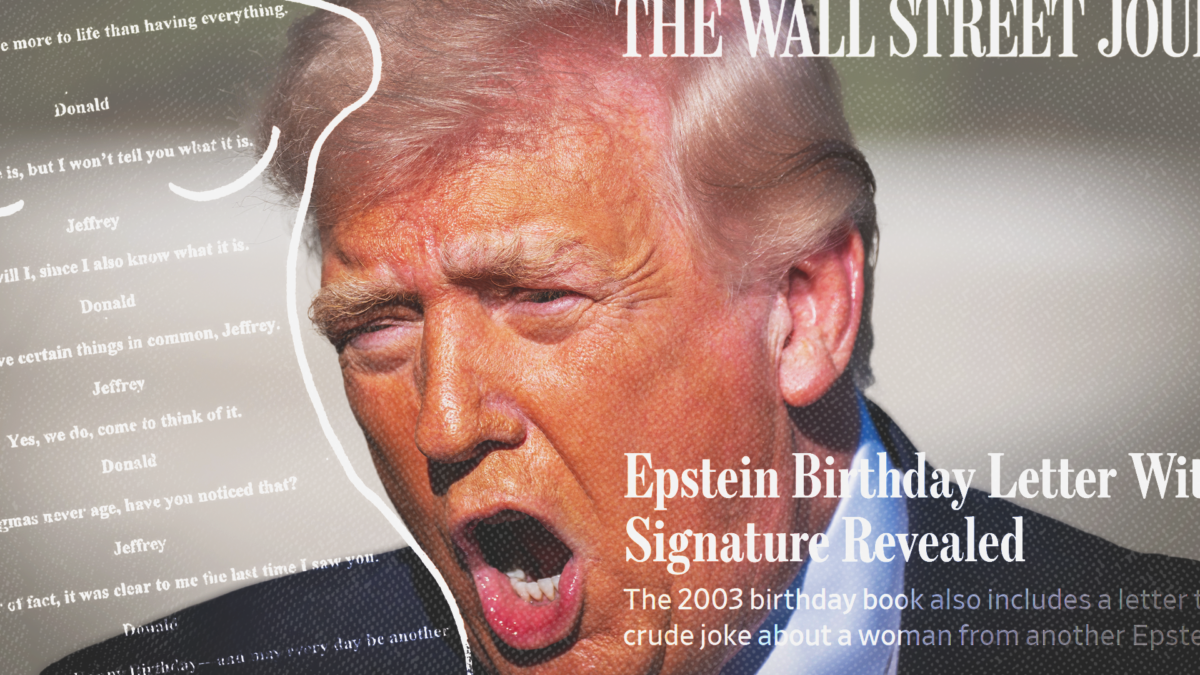
Federal Judge Dismisses Trump's $10 Billion Defamation Lawsuit Against Wall Street Journal Over Epstein Letter
A federal judge in Florida dismissed President Donald Trump's defamation lawsuit against The Wall Street Journal and related parties on April 13, 2026. The suit stemmed from a 2025 article reporting on a 2003 birthday letter allegedly sent by Trump to Jeffrey Epstein. The dismiss…
 Semafor
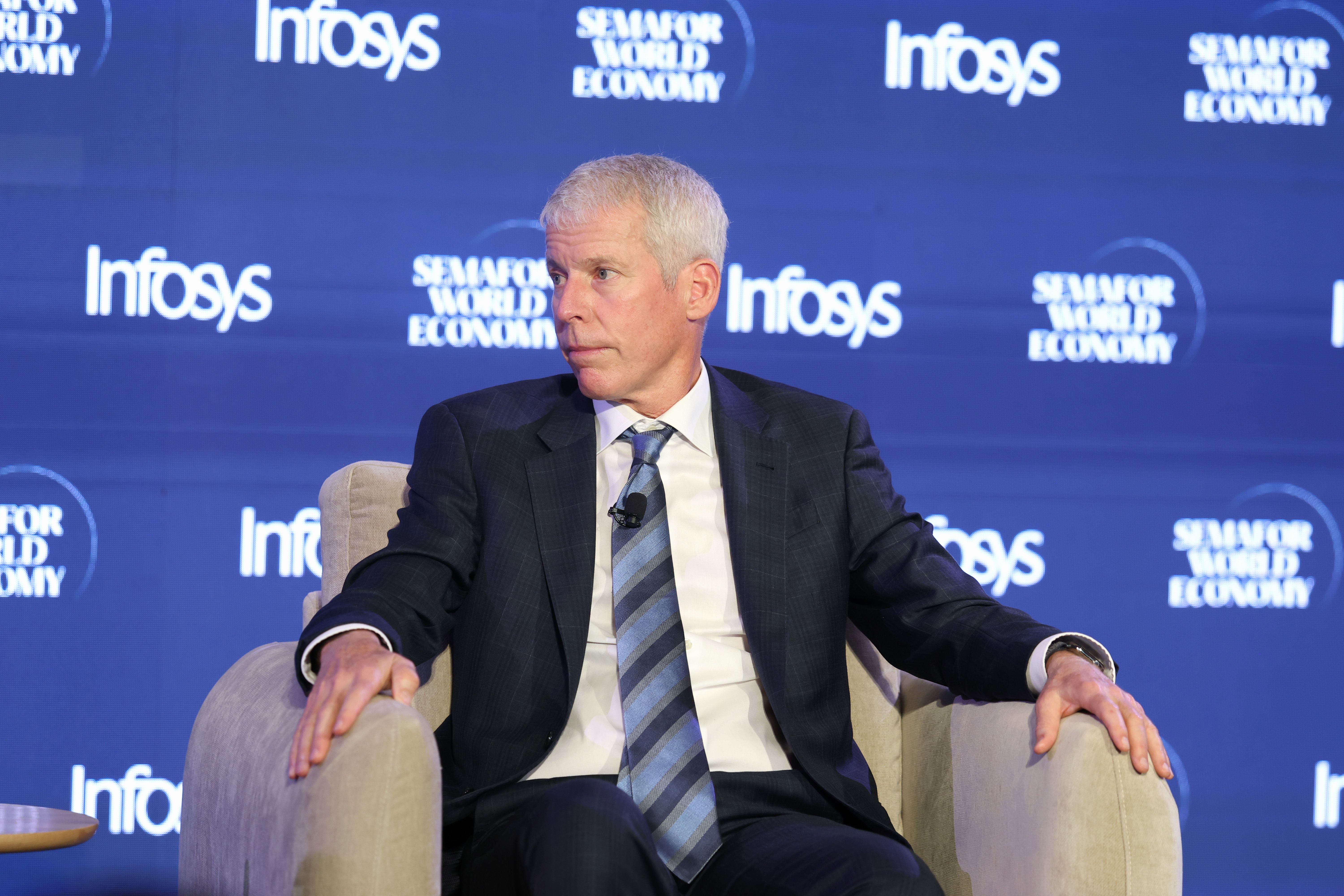
US Energy Secretary Sees Aggressive Timeline for Oil Prices to Decline by Summer
US Energy Secretary Chris Wright stated that a decline in oil and gas prices by this summer represents an aggressive timeframe. His comments followed President Donald Trump's remark that gas prices could rise before midterm elections. Separately, Chinese industrial profits rose 1…
 Washington Examiner
Qantas Airways Cuts Domestic Capacity Amid Surging Fuel Costs from Iran War
Qantas Airways has reduced its domestic flight capacity due to sharply increased fuel costs linked to the war in Iran. German officials announced a temporary cut in gasoline and diesel duties to ease consumer impacts. Protests over high fuel prices have erupted in Ireland, blocki…