US Appeals Court Rules 1868 Home Distilling Ban Unconstitutional
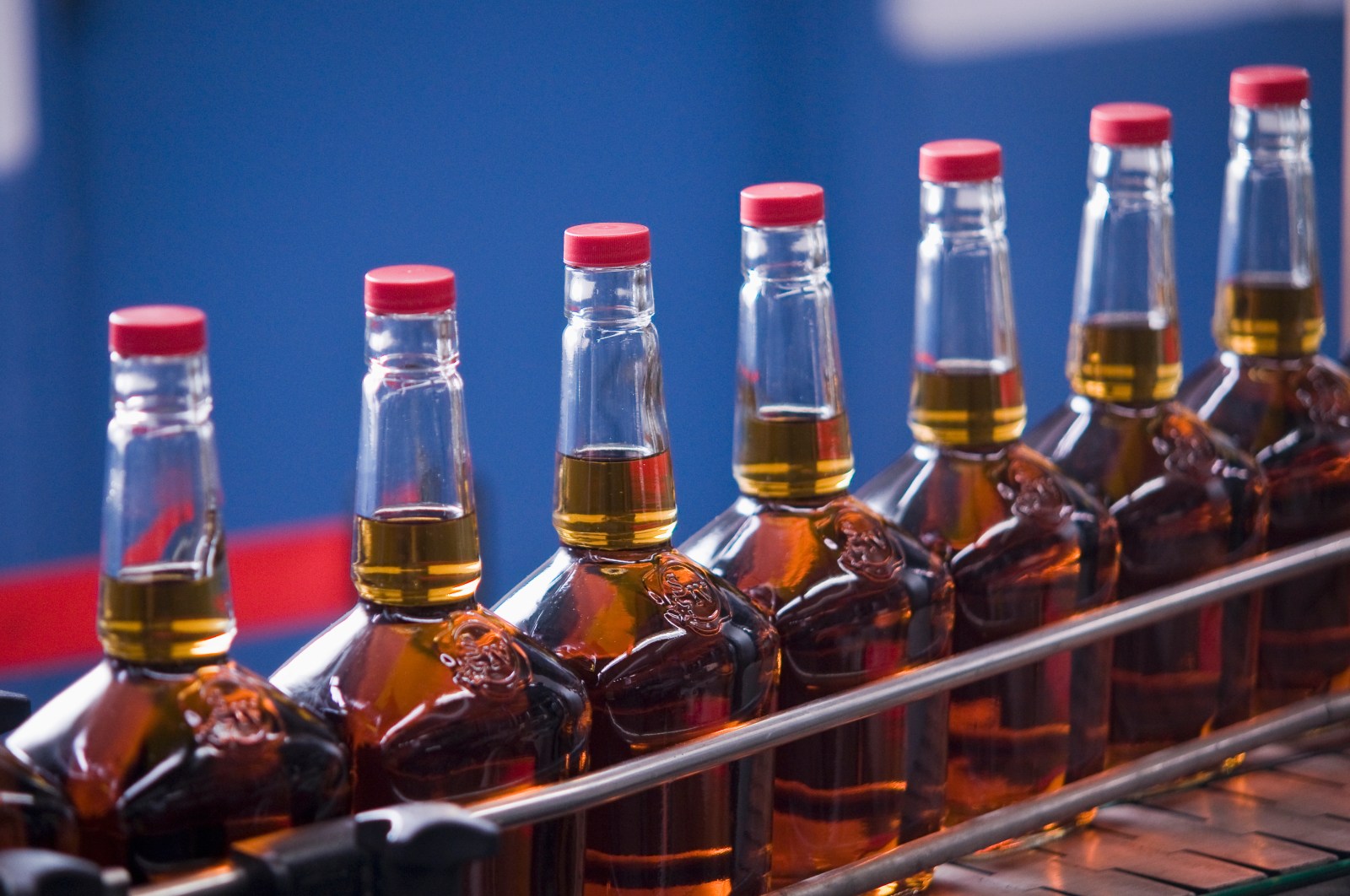
The U.S. Court of Appeals for the Fifth Circuit ruled that a federal ban on home distilling of liquor exceeds Congress's taxing authority. The decision came in a case brought by the Hobby Distillers Association and its members. The ruling blocks enforcement of the prohibition but does not permit immediate home distilling without permits.
 Newsweek
S. Court of Appeals for the Fifth Circuit issued a ruling on Friday stating that a federal law prohibiting the distillation of liquor at home is unconstitutional. The court found that the 1868 statute exceeds Congress's authority under the Constitution's Taxation Clause and Necessary and Proper Clause.
The law, enforced by the Alcohol and Tobacco Tax and Trade Bureau, imposes penalties including fines up to $10,000 and imprisonment up to five years. The case originated from a challenge by the Hobby Distillers Association and four of its members. The plaintiffs sought to distill spirits at home for personal use and hobby purposes.
They argued that regulation through licensing and taxation would be more appropriate than a complete prohibition. One plaintiff described interest in experimenting with an apple-pie vodka recipe. Another expressed a desire to create bourbon recipes to share with family and friends.
The association, which had 1,300 members as of 2023, advocates for the legalization of at-home hobby distilling.
Court Reasoning and Government Arguments Circuit Judge Edith Hollan Jones authored the opinion for the three-judge panel.
The judges determined that the ban does not function as a tax measure because it prevents the production of spirits, resulting in no taxable goods or revenue. They noted that while Congress can tax distilled spirits and regulate licensed production, a blanket ban cannot be justified solely as a tool to enforce taxes.
The government contended that the ban prevents tax evasion, as home distillers could conceal the strength or existence of operations.
The plaintiffs highlighted the risk of enforcement, citing warning letters sent by the Alcohol and Tobacco Tax and Trade Bureau to one member after purchasing equipment. The ruling questions the scope of congressional power, stating that under the government's logic, Congress could criminalize various at-home activities to prevent potential tax concealment, such as home-based businesses or remote work.
Background and Broader Implications The 1868 law has effectively prohibited home distilling of spirits for over 150 years, distinguishing it from home brewing of beer and wine, which are permitted federally.
The decision addresses constitutional limits on Congress's ability to regulate behavior through taxation authority. It affects individuals interested in hobby distilling and raises questions about similar regulations. The Hobby Distillers Association stated that the ruling challenges the prohibition's legal status but does not authorize immediate home distilling.
Any production would require federal permits and compliance with state and local laws. The association plans to continue lobbying for legalization, aiming to align home distilling with the status of home brewing and winemaking. S.
Supreme Court to hear the case. The decision applies to the plaintiffs and could influence enforcement practices nationwide pending any appeals. Stakeholders, including hobbyists and regulatory agencies, will monitor developments in the legal process.
Story Timeline
4 events- 2026-04-11
U.S. Court of Appeals for the Fifth Circuit rules 1868 home distilling ban unconstitutional.
1 sourceNewsweek - 2023
Hobby Distillers Association reports 1,300 members while advocating for legalization.
1 sourceNewsweek - Prior to ruling
Hobby Distillers Association and members file challenge to 1868 law prohibiting home distilling.
1 sourceNewsweek - 1868
Congress enacts law prohibiting operation of distilling spirits in or near homes.
1 sourceNewsweek
Potential Impact
- 01
Federal government may appeal the ruling to the U.S. Supreme Court.
- 02
Individuals face continued prohibition on home distilling without obtaining federal permits.
- 03
Hobby Distillers Association will lobby for permits and legalization aligned with home brewing.
- 04
State and local laws will still regulate any permitted home distilling activities.
- 05
The decision may prompt reviews of other tax-based prohibitions on home activities.
Transparency Panel
Related Stories
 Nbc News
Rep. Tony Gonzales Announces Retirement from Congress Amid Ethics Probe Over Staffer Relationship
Rep. Tony Gonzales, R-Texas, announced on Monday that he will retire from Congress following a House Ethics Committee probe into his relationship with a former staffer who died by suicide. The announcement follows his decision last month to drop his re-election bid. Separately, R…
 reason.com
US Imposes Blockade on Strait of Hormuz Amid Tensions with Iran
President Trump has ordered a blockade of the Strait of Hormuz, with the measure coming into force as the United States blocks vessels doing business with Iran. Trump warned that Iranian fast attack ships approaching the blockade will be eliminated. TotalEnergies CEO Patrick Pouy…
 The Washington Post
Brazil's Former Intelligence Chief Alexandre Ramagem Detained by ICE in the United States
Alexandre Ramagem, Brazil's former intelligence agency chief and congressman, was arrested by U.S. Immigration and Customs Enforcement agents in Orlando. He had fled Brazil after his conviction for involvement in an alleged coup attempt with former President Jair Bolsonaro. The d…