Hungary's Election Ousts Longtime Prime Minister, Signals Shift in Energy and EU Policies
Voters in Hungary elected a new government led by Péter Magyar, ending Viktor Orbán's 16-year tenure as prime minister. The incoming administration plans to reduce reliance on Russian energy, increase renewable sources, and regulate polluting industries. Improved EU relations could release frozen funds for environmental initiatives.
 Euronews
Hungary held parliamentary elections on April 13, 2026, resulting in a landslide victory for the Tisza Party and its leader, Péter Magyar. This outcome ended Viktor Orbán's 16 years as prime minister. Multiple sources confirmed the decisive defeat of Orbán's Fidesz Party.
The election marked a significant political shift in the country. Péter Magyar, a 45-year-old former member of Fidesz, led the Tisza Party to a constitutional majority. Sources described the result as an earthquake in Hungarian politics.
Energy Policy Promises The Tisza Party pledged to end Hungary's reliance on Russian energy by 2035 and double the share of renewable energy by 2040.
This follows years of dependence on Russian imports, which kept energy prices low but increased vulnerability to external shocks. Hungary's energy mix remains dominated by fossil fuels, despite progress in solar power and a decline in coal use. Under the previous government, Hungary resisted EU sanctions on Russian oil following the 2022 invasion of Ukraine and increased imports instead.
The new pledges aim to align Hungary more closely with EU energy goals. Investments in renewables are expected to enhance long-term resilience. Péter Magyar stated that Hungary-Russia cooperation ventures, including energy cooperation, will be dismantled or continued on a case-by-case basis.
He added that Hungary will seek to diversify its energy imports.
Environmental Regulation and Industry Crackdown The Tisza Party promised stricter regulation of polluting industries, explicitly targeting battery factories owned by Chinese, South Korean, and Japanese companies.
These facilities, supported by government subsidies and weak regulations, have faced protests and court cases over toxic air pollution, groundwater contamination, and illegal waste. The party aims to introduce greater transparency, anti-corruption controls, and independent environmental institutions to regulate or shut down harmful plants.
During the campaign, the party emphasized that investments cannot endanger people's health and that competitiveness cannot be built on environmental damage.
This stance contrasts with previous policies that prioritized short-term economic gains over environmental protections.
Water Management and Climate Adaptation Hungary has experienced droughts and heatwaves straining water resources, with levels in the Danube and Tisza rivers reaching historical lows by early 2025.
A 2024 heatwave and drought caused over 100 billion forints in agricultural damages. The new government plans large-scale water retention infrastructure, modernized irrigation systems, and climate adaptation in agriculture to address these issues. Some infrastructure work began under the prior administration in 2025, including extending canal capacity by 300 kilometers and constructing or modernizing over 130 waterworks.
Improved water management is expected to enhance food security and support the rural economy. The Tisza Party seeks to shift from short-term subsidies to long-term investments.
EU Relations and Frozen Funds The election victory is anticipated to ease tensions between Hungary and the European Union.
Orbán's government had stymied EU initiatives, particularly on sanctions and climate policies, leading to frozen funds. The head of the European Commission announced plans to work with the new Hungarian government as soon as possible on energy issues and the release of those funds.
" >— Head of the European Commission, April 13, 2026 (The Guardian) Péter Magyar vowed to rebuild Hungary's relationship with the EU, stating that the electorate voted for a change of regime.
Background on Previous Governance Orbán's administration described EU climate ambitions as a utopian fantasy, blaming them for higher energy costs and harm to the middle class.
Policies under his government often conflicted with net-zero goals, including resistance to sanctions and reliance on Russian energy. Rural areas received short-term subsidies, such as free agricultural water use, rather than sustained infrastructure development.
The Tisza Party's campaign focused on ending political bargaining on environmental issues and rebuilding independent nature protections.
Péter Magyar positioned the party as centre-right and pro-EU, promising to crack down on corruption and improve international ties.
Broader Implications The shift could unlock billions in EU funds for Hungary's green transition.
Sources noted cautious optimism about the new leadership's ability to deliver on pledges while rebuilding trust with Brussels. The outcome challenges assumptions about the durability of illiberal governance in Europe.
Story Timeline
6 events- April 13, 2026
Tisza Party led by Péter Magyar wins landslide election, ousting Viktor Orbán after 16 years.
8 sourcesEuronews · BBC News · The Guardian - April 13, 2026
Péter Magyar announces plans to dismantle or review Hungary-Russia cooperation, including energy imports.
1 source@sentdefender - April 13, 2026
Head of European Commission pledges immediate collaboration with new government on energy and funds.
1 sourceThe Guardian - Early 2025
Water levels in Danube and Tisza rivers approach historical lows amid droughts.
1 sourceEuronews - 2024
Prolonged heatwave and drought cause over 100 billion forints in agricultural damages.
1 sourceEuronews - 2022
Hungary resists EU sanctions on Russian oil after Ukraine invasion, increases imports.
1 sourceEuronews
Potential Impact
- 01
EU releases frozen funds for Hungary's green transition projects.
- 02
Improved EU ties reduce foreign policy blockages in the bloc.
- 03
Hungary diversifies energy imports away from Russia by 2035.
- 04
Stricter regulations close or reform polluting battery factories.
- 05
Water infrastructure expansions improve agricultural resilience to droughts.
- 06
Rural economy benefits from long-term water management investments.
Transparency Panel
Related Stories
 Nbc News
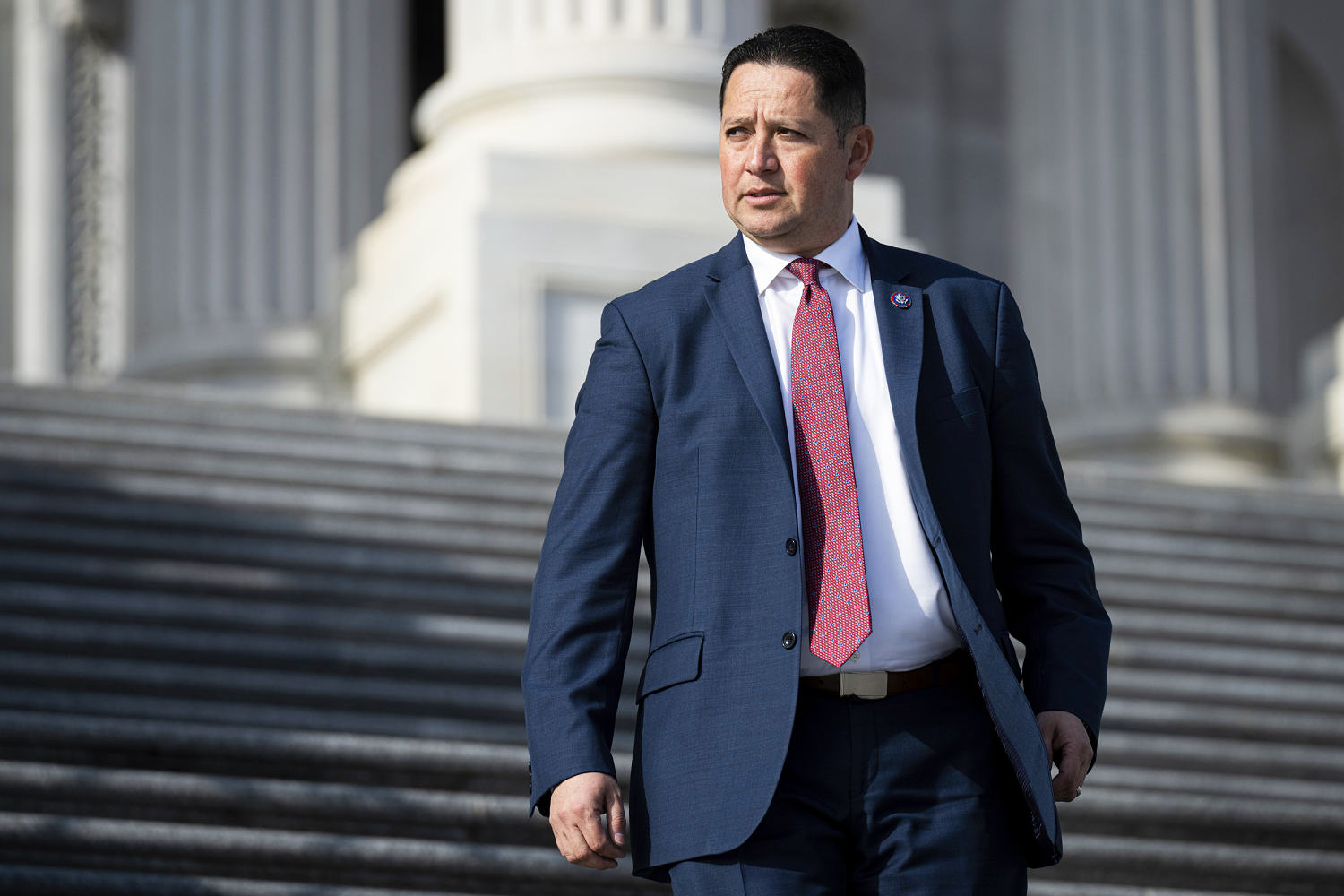
Rep. Tony Gonzales Announces Retirement from Congress Amid Ethics Probe Over Staffer Relationship
Rep. Tony Gonzales, R-Texas, announced on Monday that he will retire from Congress following a House Ethics Committee probe into his relationship with a former staffer who died by suicide. The announcement follows his decision last month to drop his re-election bid. Separately, R…
 Newsweek
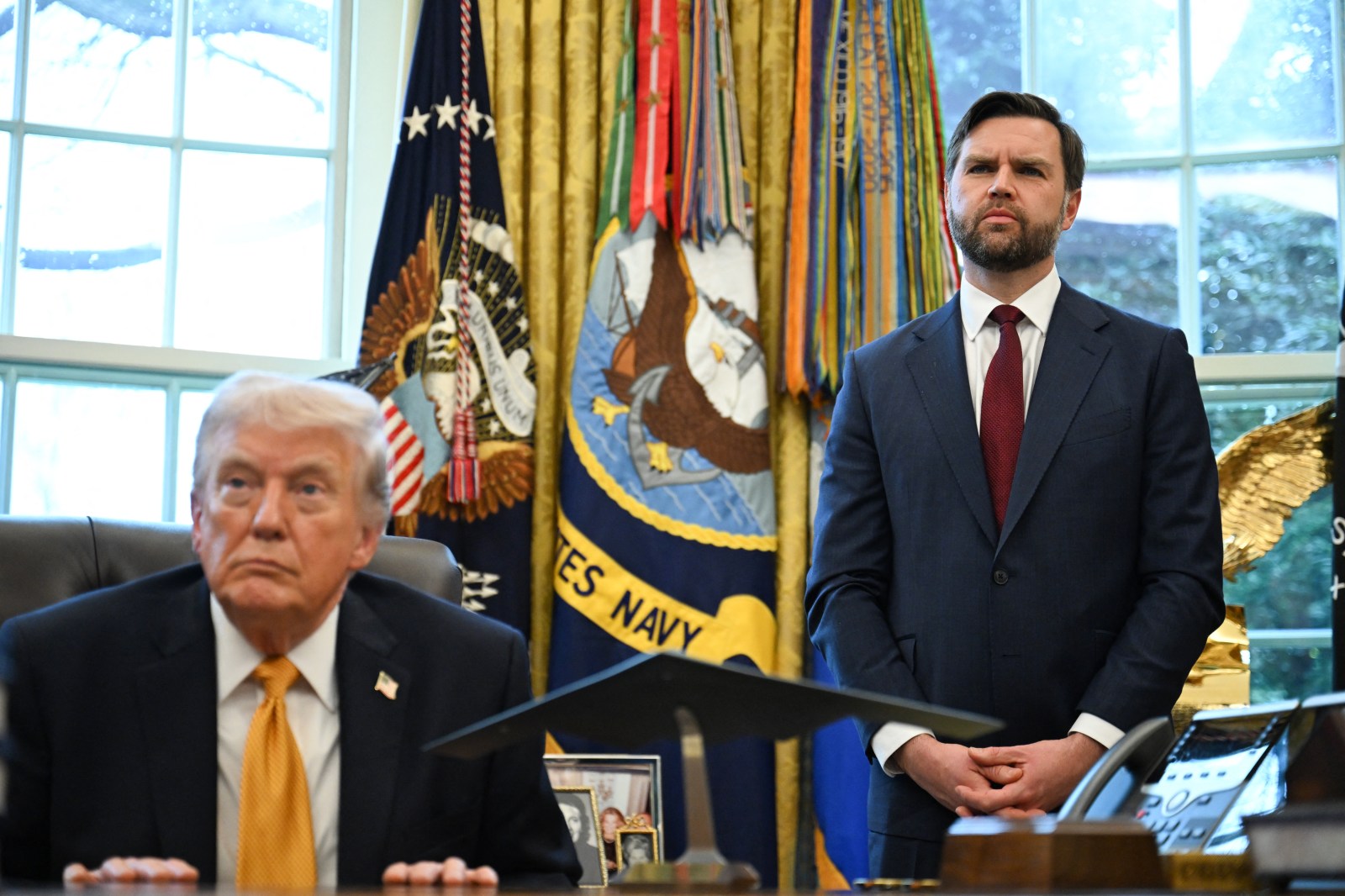
US President Posts and Deletes AI-Generated Image Depicting Himself as Jesus Amid Feud with Pope
The US president shared an AI-generated image on social media showing himself in a Jesus-like pose, which he later deleted. The post followed criticism of the pope over foreign policy and the ongoing Iran war. Backlash emerged from conservative supporters who described the image…
 usembassykyiv / Wikimedia (Public domain)
Treasury Secretary Bessent Announces Executive Order Requiring Banks to Collect Customer Citizenship Data
U.S. Treasury Secretary Scott Bessent stated that an executive order requiring banks to collect citizenship information from customers is in process. Bessent, confirmed by the Senate in a 68-29 vote, was selected by President-elect Donald Trump. He will oversee implementation of…