U.S. Announces Naval Blockade of Strait of Hormuz Amid Failed Iran Talks
The United States has initiated a naval blockade of the Strait of Hormuz following the collapse of peace negotiations with Iran. Oil prices surged above $100 per barrel, contributing to declines in U.S. stock markets. The United Kingdom stated it will not participate in the blockade.
 Nbc News
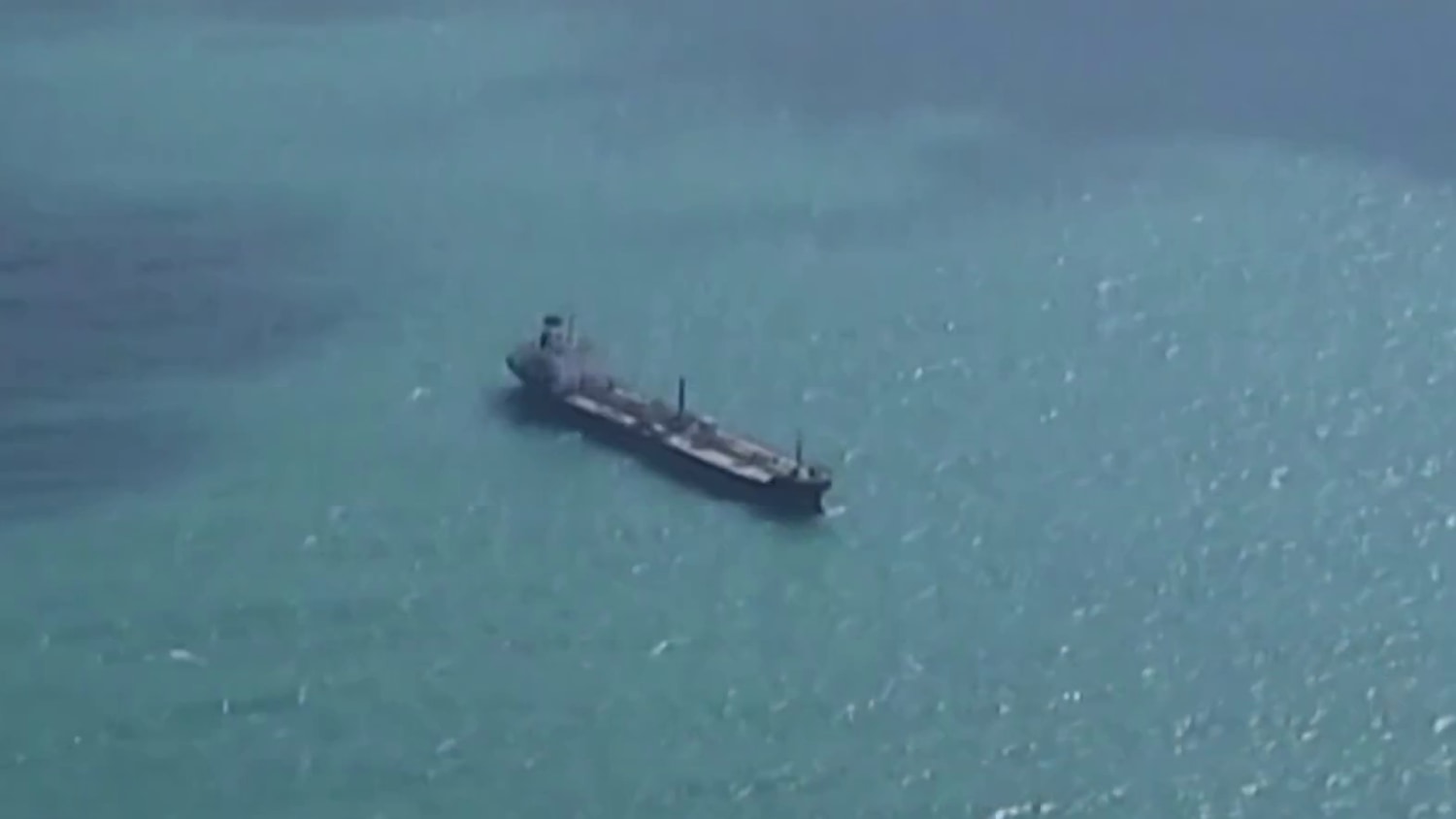
S. naval blockade of the Strait of Hormuz went into effect on April 13, 2026, targeting Iranian ports and ships attempting to enter or leave the area. S. and Iranian delegations in Islamabad, Pakistan.
S. delegation, which departed after 21 hours without reaching an agreement. S. S. Navy would intercept any Iranian vessels approaching it. Trump warned that such ships would be immediately eliminated.
The announcement came after mediators indicated that talks could continue, with both sides believing a deal remains possible.
Economic Repercussions Oil prices jumped more than 7%, with U.
S. crude rising above $100 per barrel. Forecasts from market predictors suggest prices could reach $135 per barrel this year. S. stocks fell, with the Dow dropping 350 points in morning trading as energy costs escalated.
Emerging-market currencies initially weakened but pared losses as oil prices retreated slightly after the blockade deadline passed. The disruption risks broader global economic effects due to the strait’s role in oil shipping. Commodities like aluminum also saw price increases amid the tensions.
International Reactions The United Kingdom announced it would not join the U.
S. blockade. British Prime Minister Keir Starmer said the country is not supporting the action and continues to call for freedom of navigation in the strait. S. and Iran in the coming days to bridge remaining gaps.
Regional Context The blockade occurs against a backdrop of fragile ceasefires in the Middle East.
S. and Iran had been reached earlier, with both sides claiming victory. However, ongoing strikes between Israel and Hezbollah threaten the agreement, with Israeli officials stating it does not apply to Lebanon.
Iran stated that the Strait of Hormuz is closed due to Israeli strikes on Lebanon. Tensions remain high, with Hezbollah supporters protesting negotiations involving Israel. S. officials described the original Iranian 10-point peace plan as discarded during talks.
Story Timeline
5 events- April 13, 2026 — 10:00 AM
U.S. naval blockade of Iranian ports and Strait of Hormuz goes into effect.
4 sourcesNBC News · MarioNawfal · business · BNONews - April 13, 2026 — Morning
U.S. stocks fall and oil prices surge above $100 per barrel following blockade announcement.
3 sourcesnypost.com · BNONews · @DeItaone - April 12-13, 2026
U.S. delegation led by Vice President Vance leaves Pakistan talks without agreement after 21 hours.
2 sourcesNBC News · @Newsquawk - Recent days
Mediators indicate continued talks possible despite gaps, with both sides bargaining.
2 sourcesaxios · NBC News - Earlier April 2026
U.S. and Iran reach two-week ceasefire agreement, both claiming victory.
1 sourceNBC News
Potential Impact
- 01
Oil prices remain elevated above $100 per barrel due to shipping disruptions in the strait.
- 02
U.S.-Iran mediators resume negotiations to prevent further military escalation.
- 03
Middle East ceasefires face increased strain from ongoing Israel-Hezbollah strikes.
- 04
Global stock markets experience volatility from rising energy costs and trade risks.
- 05
Emerging-market currencies face pressure from higher commodity prices.
Transparency Panel
Related Stories
 Reason
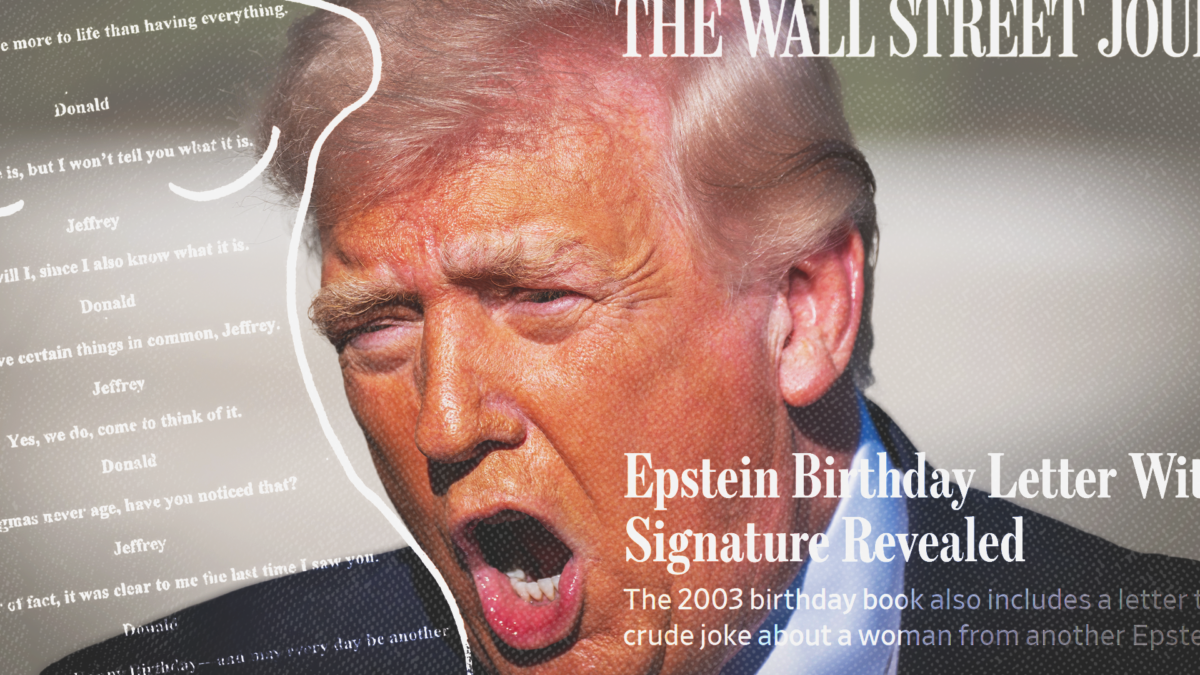
Federal Judge Dismisses Trump's $10 Billion Defamation Lawsuit Against Wall Street Journal Over Epstein Letter
A federal judge in Florida dismissed President Donald Trump's defamation lawsuit against The Wall Street Journal and related parties on April 13, 2026. The suit stemmed from a 2025 article reporting on a 2003 birthday letter allegedly sent by Trump to Jeffrey Epstein. The dismiss…
 Semafor
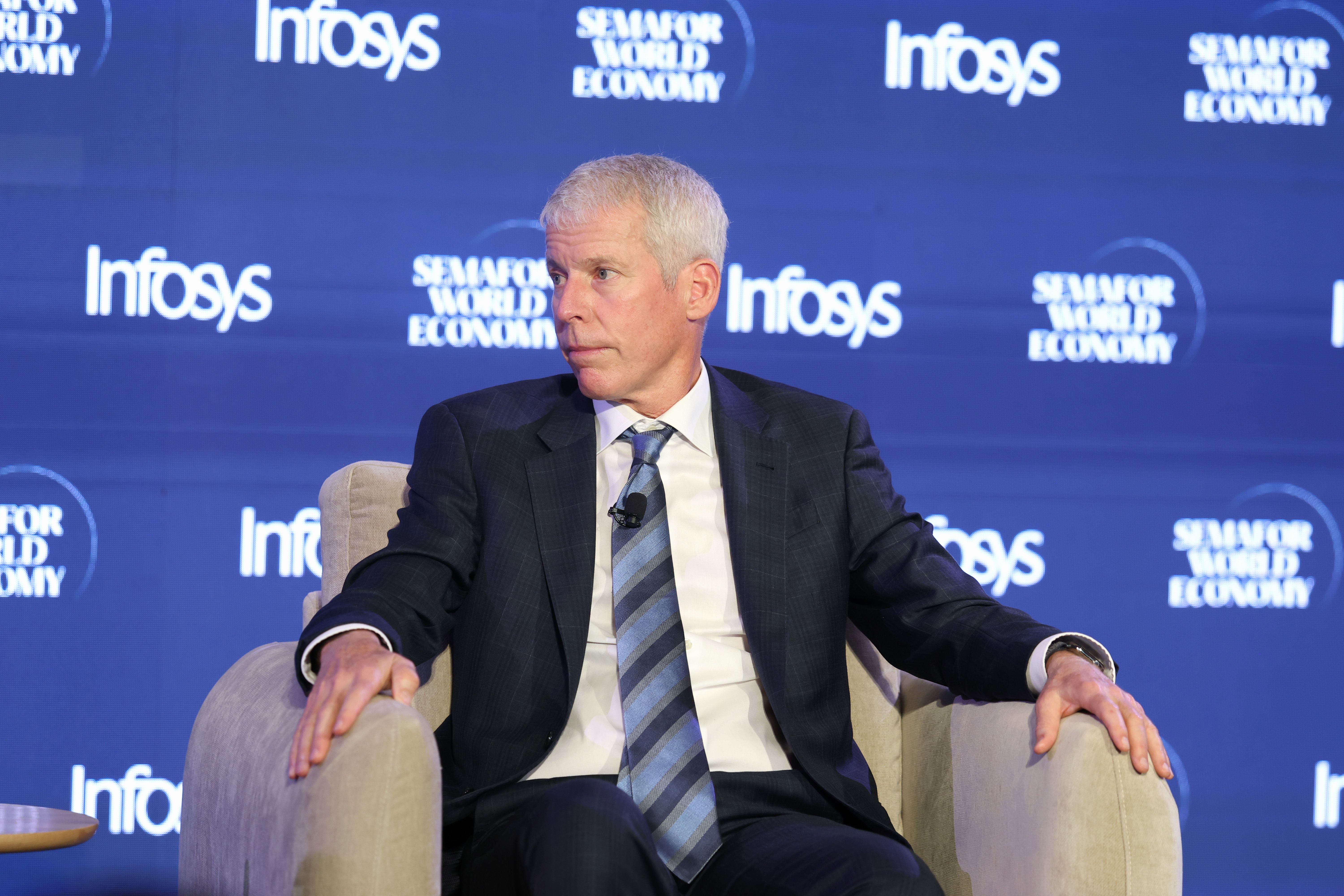
US Energy Secretary Sees Aggressive Timeline for Oil Prices to Decline by Summer
US Energy Secretary Chris Wright stated that a decline in oil and gas prices by this summer represents an aggressive timeframe. His comments followed President Donald Trump's remark that gas prices could rise before midterm elections. Separately, Chinese industrial profits rose 1…
 Washington Examiner
Qantas Airways Cuts Domestic Capacity Amid Surging Fuel Costs from Iran War
Qantas Airways has reduced its domestic flight capacity due to sharply increased fuel costs linked to the war in Iran. German officials announced a temporary cut in gasoline and diesel duties to ease consumer impacts. Protests over high fuel prices have erupted in Ireland, blocki…