Report Shows Growth in US Upper Middle Class Since 1979
A report from the American Enterprise Institute indicates that the share of US families in the upper middle class, defined as earning $133,000 to $400,000 annually for a family of three, increased from 10% in 1979 to 31% in 2024. Median family income rose 52% over this period, adjusted for inflation and family size. The findings suggest movement into higher income brackets rather than a decline in
 Fortune
A report published by the American Enterprise Institute examines changes in income distribution among US families from 1979 to 2024. The report, authored by labor economist Stephen Rose and Scott Winship, a senior fellow at the institute, defines the upper middle class as families of three earning between $133,000 and $400,000 annually.
According to the report, the share of families in this group tripled from 10% to 31% during this period.
The authors state that more families now earn above the core middle class threshold than below it. They calculated that median family income, adjusted for inflation and declining family size, increased by 52% from 1979 to 2024. Families at the 10th percentile of income were 30% better off in 2024 compared to 1979.
The share of Americans in poverty or near-poverty decreased from 30% to 19% over the same timeframe. The report notes no net movement of families downward out of the core middle class. These changes occurred alongside broader economic developments.
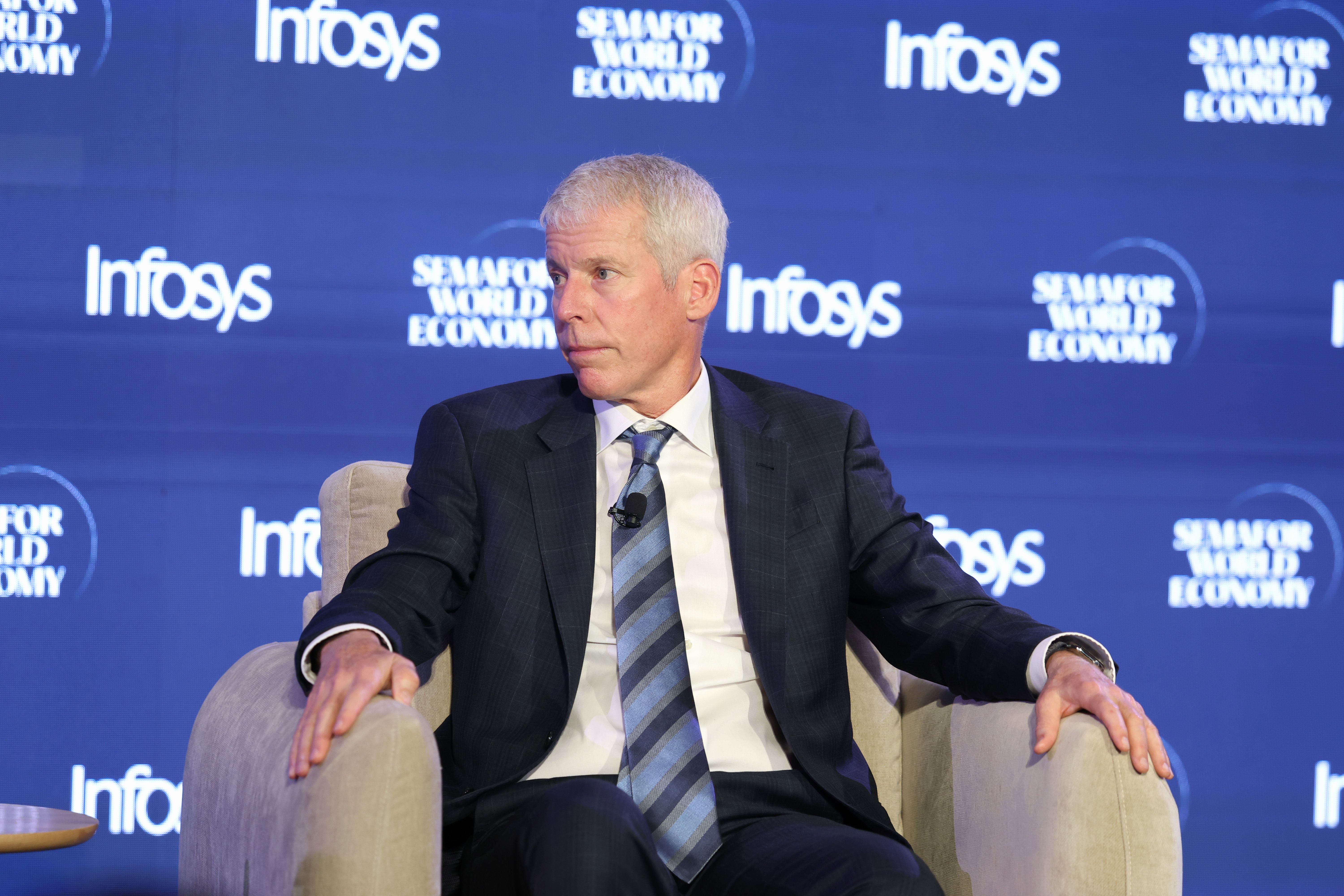
Historical Economic Context Chris Bradley, director at McKinsey Global Institute, discussed global wealth growth in a media briefing on the book 'A Century of Plenty: A Story of Progress for Generations to Come.
' He stated that world GDP in 2025 was approximately 24 times larger than in 1925, based on data from the Maddison Project. Bradley noted that the average American in 1925 lived at a standard of living comparable to South Africa today. Bradley highlighted disruptions since the 2008 financial crisis, including a slowdown in productivity growth in developed economies.
He attributed this to reduced investment in productivity-enhancing projects. McKinsey addressed this issue in a 2024 paper by Bradley and co-authors. The AEI report's findings align with data showing broad income gains.
However, the report focuses on income brackets without addressing perceptions of economic security. The analysis covers families and uses inflation-adjusted figures for comparisons.
Story Timeline
3 events- 2024
Share of upper middle class families reached 31%, with median income up 52% since 1979.
1 sourceFortune - 2008
Financial crisis led to prolonged slowdown in productivity growth in developed economies.
1 sourceFortune - 1979
Upper middle class families comprised 10% of total, with baseline for later comparisons.
1 sourceFortune
Potential Impact
- 01
Increased upper middle class may influence policy discussions on income inequality.
- 02
Focus on productivity slowdown may prompt investments in infrastructure projects.
- 03
Report data could shape economic analyses in upcoming reports and studies.
- 04
Historical comparisons might inform public understanding of economic progress.
Transparency Panel
Related Stories
 Semafor
US Energy Secretary Sees Aggressive Timeline for Oil Prices to Decline by Summer
US Energy Secretary Chris Wright stated that a decline in oil and gas prices by this summer represents an aggressive timeframe. His comments followed President Donald Trump's remark that gas prices could rise before midterm elections. Separately, Chinese industrial profits rose 1…
 Washington Examiner
Qantas Airways Cuts Domestic Capacity Amid Surging Fuel Costs from Iran War
Qantas Airways has reduced its domestic flight capacity due to sharply increased fuel costs linked to the war in Iran. German officials announced a temporary cut in gasoline and diesel duties to ease consumer impacts. Protests over high fuel prices have erupted in Ireland, blocki…
 Ballota / Wikimedia (CC BY-SA 4.0)
USS George H.W. Bush Carrier Strike Group Sails Around Africa to Avoid Houthi-Controlled Waters
The USS George H.W. Bush and its escorts are taking an extended route around the southern tip of Africa to reach the Persian Gulf. This path bypasses the Strait of Gibraltar, the Mediterranean Sea, and the Red Sea, including the Bab el-Mandeb Strait. The decision avoids areas con…