Talks in Islamabad End Without Agreement Between US and Iran
Discussions in Islamabad between representatives from the US and Iran concluded without reaching an agreement. Pakistani security analyst and author Zahid Hussain stated that a single incident could lead to renewed fighting between the two countries. The talks involved efforts to address ongoing tensions.
 US Embassy Canada / Wikimedia (Public domain)
Talks between the United States and Iran took place in Islamabad, Pakistan, but ended without an agreement. The discussions aimed to reduce tensions between the two nations. No further details on the agenda were provided in reports from the event.
Pakistani security analyst and author Zahid Hussain commented on the outcome. He stated that a single incident could trigger renewed fighting between the US and Iran. Hussain's observation highlights the fragile state of relations following the failed negotiations.
The talks occurred in the context of longstanding disputes between the US and Iran, including issues related to nuclear programs and regional security. Islamabad has previously served as a neutral venue for such diplomatic efforts. The lack of agreement leaves open questions about future diplomatic steps.
Potential Risks Highlighted Hussain's warning points to the risk of escalation in the region.
Both countries maintain significant military presence in the Middle East, which could amplify any conflict. Affected parties include regional allies and global energy markets, given the area's importance for oil transit. Following the talks, no immediate actions were announced by either side.
Diplomatic channels may continue through other venues. Observers note that unresolved issues could influence broader international relations. The event underscores ongoing challenges in US-Iran diplomacy.
Previous attempts at negotiation have faced similar hurdles. The situation remains under monitoring by international bodies.
Story Timeline
2 events- Recent
Talks in Islamabad between US and Iran end without agreement.
1 source@Reuters - Following talks
Zahid Hussain states a single incident could lead to renewed US-Iran fighting.
1 source@Reuters
Potential Impact
- 01
Increased monitoring of US-Iran interactions in the Middle East may occur.
- 02
Regional allies could adjust security postures due to unresolved tensions.
- 03
Global energy markets may experience volatility from perceived escalation risks.
- 04
Future diplomatic efforts might shift to other international venues.
Transparency Panel
Related Stories
 Nbc News
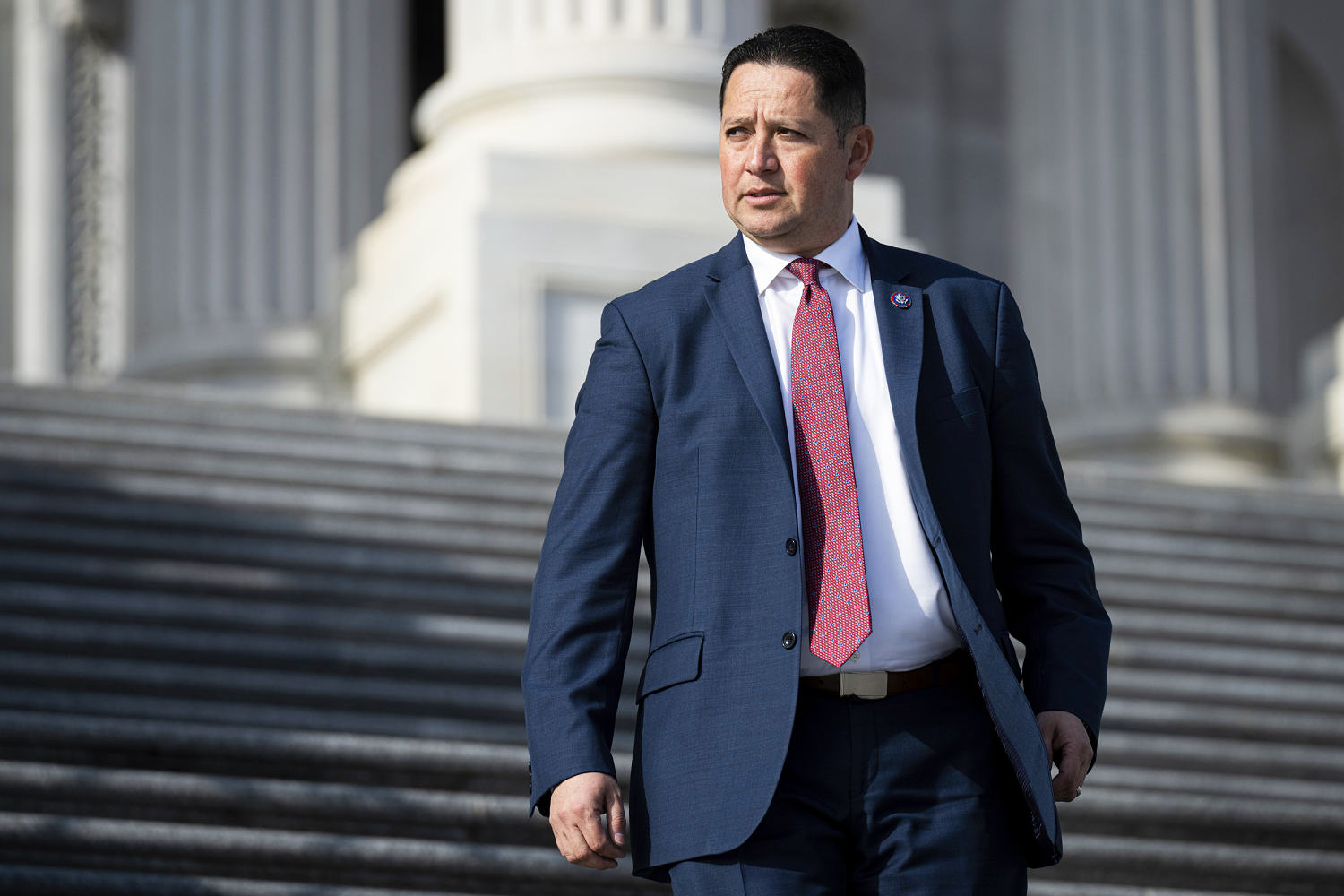
Rep. Tony Gonzales Announces Retirement from Congress Amid Ethics Probe Over Staffer Relationship
Rep. Tony Gonzales, R-Texas, announced on Monday that he will retire from Congress following a House Ethics Committee probe into his relationship with a former staffer who died by suicide. The announcement follows his decision last month to drop his re-election bid. Separately, R…
 reason.com
US Imposes Blockade on Strait of Hormuz Amid Tensions with Iran
President Trump has ordered a blockade of the Strait of Hormuz, with the measure coming into force as the United States blocks vessels doing business with Iran. Trump warned that Iranian fast attack ships approaching the blockade will be eliminated. TotalEnergies CEO Patrick Pouy…
 The Washington Post
Brazil's Former Intelligence Chief Alexandre Ramagem Detained by ICE in the United States
Alexandre Ramagem, Brazil's former intelligence agency chief and congressman, was arrested by U.S. Immigration and Customs Enforcement agents in Orlando. He had fled Brazil after his conviction for involvement in an alleged coup attempt with former President Jair Bolsonaro. The d…