NATO Faces Internal Strains from Member Alignment Challenges
The North Atlantic Treaty Organization is experiencing internal strains due to differing security interests among members. The alliance relies on collective action when interests are threatened. Turkey's actions are testing this alignment.
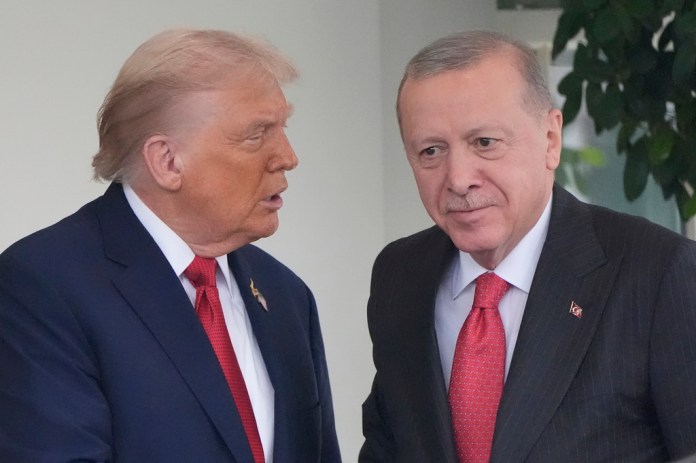 Washington Examiner
The North Atlantic Treaty Organization (NATO) is facing internal strains. Its structure requires members to act collectively when core interests are at risk.
NATO's effectiveness depends on sustained alignment among its members. Differences in security priorities can challenge this unity. Recent developments indicate that such differences are emerging within the alliance.
Turkey, a NATO member since 1952, has been involved in actions that test the alliance's cohesion. These actions highlight variations in how members perceive threats. The alliance continues to operate under its treaty obligations despite these strains.
Background on NATO Formation NATO was formed in 1949 as a collective defense pact.
The treaty's Article 5 stipulates that an attack on one member is considered an attack on all. This principle has been invoked once, following the September 11, 2001, attacks in the United States. Over the decades, NATO has expanded to include 32 members as of 2024.
The alliance addresses a range of security issues, including territorial defense and crisis management. Internal alignment remains essential for its operational success.
Current Challenges to Unity Strains within NATO arise from divergent national interests.
Members may prioritize regional concerns differently, affecting joint decision-making. Turkey's positions on issues such as regional conflicts have contributed to these tensions. The alliance holds regular summits to address such challenges.
Discussions focus on maintaining unity and adapting to evolving threats. Ongoing diplomatic efforts aim to resolve differences and strengthen collective security.
Story Timeline
2 events- Ongoing
NATO experiences internal strains due to alignment challenges with Turkey.
1 sourceWashington Examiner - 1949
NATO was formed as a collective defense alliance.
1 sourceWashington Examiner
Potential Impact
- 01
NATO may hold more summits to address member differences.
- 02
Diplomatic efforts could increase to maintain alliance unity.
- 03
Security operations might face delays due to internal tensions.
Transparency Panel
Related Stories
 Washington Examiner
Rep. Eric Swalwell Denies Sexual Misconduct Allegations Amid California Governor Campaign
Rep. Eric Swalwell, a Democratic congressman from California, faces allegations of sexual misconduct from four women, including a claim of rape by a former staffer. Swalwell has denied the accusations as false and intends to continue his bid for governor in 2026. Democratic colle…
 Ed (supergolfdude) / Wikimedia (CC BY-SA 2.0)
Rory McIlroy Wins Second Masters Title with Focused Approach in Final Round
Rory McIlroy captured his second green jacket at the Masters by maintaining a steely focus during the final round paired with Cam Young. The two players, tied at 11-under entering Sunday, had limited interaction as McIlroy held off challengers to finish at 12-under. Scottie Schef…
 Elgaard / Wikimedia (CC BY-SA 3.0)
Clashes Intensify in Southern Lebanese Town Ahead of Israel-Lebanon Talks
Fierce fighting occurred in the southern Lebanese town of Bint Jbeil as Israeli troops encircled the area and Hezbollah militants responded with rockets and artillery. The clashes escalated over the past week following a temporary truce between Iran and the United States. Lebanon…