Reserve Bank of India Official Criticizes Forex Market Makers Over Rupee Weakness During Middle East Tensions
A senior official from the Reserve Bank of India stated that foreign-exchange market makers contributed to the rupee's depreciation amid Middle East tensions. The criticism highlights the role of these market participants in currency fluctuations. The statement addresses ongoing pressures on the Indian currency.
 Subhrasingh / Wikimedia (CC BY-SA 4.0)
The official's remarks point to how these market makers, who facilitate currency trading, influenced the rupee's value. This comes as the Indian currency faces external pressures from geopolitical events.
Foreign-exchange market makers provide liquidity by quoting buy and sell prices for currencies. Their actions can amplify volatility, particularly during periods of international uncertainty.
Middle East tensions have contributed to broader economic concerns, including potential disruptions in oil supplies and trade routes. These factors often lead to fluctuations in emerging market currencies like the rupee. The official's statement underscores the need for responsible practices among market participants to mitigate such effects.
Context of Rupee Volatility The rupee has experienced depreciation in recent periods due to a combination of global and domestic factors.
Geopolitical tensions in the Middle East add to these pressures by affecting investor sentiment and capital flows. Market makers play a key role in ensuring smooth trading but their strategies can sometimes exacerbate declines.
The official's criticism suggests that certain behaviors during tense periods worsened the rupee's position. This highlights the interconnectedness of global events and domestic currency markets.
Implications for Financial Markets Such statements from central bank officials can influence market expectations and trading behavior.
The rupee's performance impacts India's trade balance and inflation dynamics.
A weaker currency can raise import costs, particularly for energy and commodities.
Story Timeline
2 events- Recent period
Senior Reserve Bank of India official criticized forex market makers for aggravating rupee weakness amid Middle East tensions.
1 source@business - Ongoing
Middle East tensions contribute to rupee depreciation through market volatility.
1 source@business
Potential Impact
- 01
Rupee depreciation could raise import costs for Indian businesses.
- 02
Investor sentiment toward emerging currencies may shift due to geopolitical risks.
- 03
Increased scrutiny on forex market makers may lead to adjusted trading practices.
- 04
Central bank interventions in forex markets may become more frequent.
Transparency Panel
Related Stories
 Nbc News
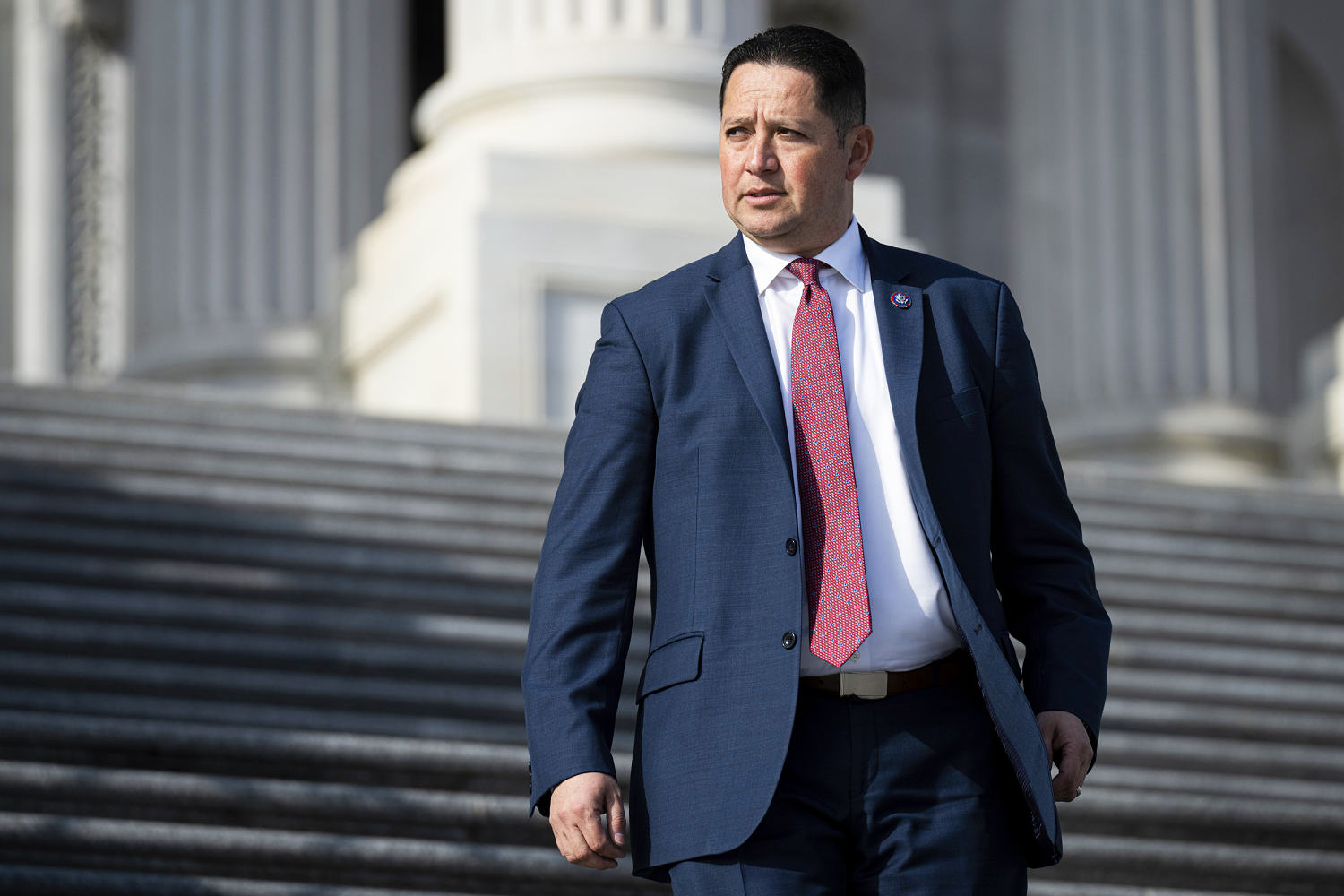
Rep. Tony Gonzales Announces Retirement from Congress Amid Ethics Probe Over Staffer Relationship
Rep. Tony Gonzales, R-Texas, announced on Monday that he will retire from Congress following a House Ethics Committee probe into his relationship with a former staffer who died by suicide. The announcement follows his decision last month to drop his re-election bid. Separately, R…
 reason.com
US Imposes Blockade on Strait of Hormuz Amid Tensions with Iran
President Trump has ordered a blockade of the Strait of Hormuz, with the measure coming into force as the United States blocks vessels doing business with Iran. Trump warned that Iranian fast attack ships approaching the blockade will be eliminated. TotalEnergies CEO Patrick Pouy…
 The Washington Post
Brazil's Former Intelligence Chief Alexandre Ramagem Detained by ICE in the United States
Alexandre Ramagem, Brazil's former intelligence agency chief and congressman, was arrested by U.S. Immigration and Customs Enforcement agents in Orlando. He had fled Brazil after his conviction for involvement in an alleged coup attempt with former President Jair Bolsonaro. The d…