world
ADNOC CEO Sultan Al Jaber Comments on Iran's Stance Regarding Strait of Hormuz Navigation
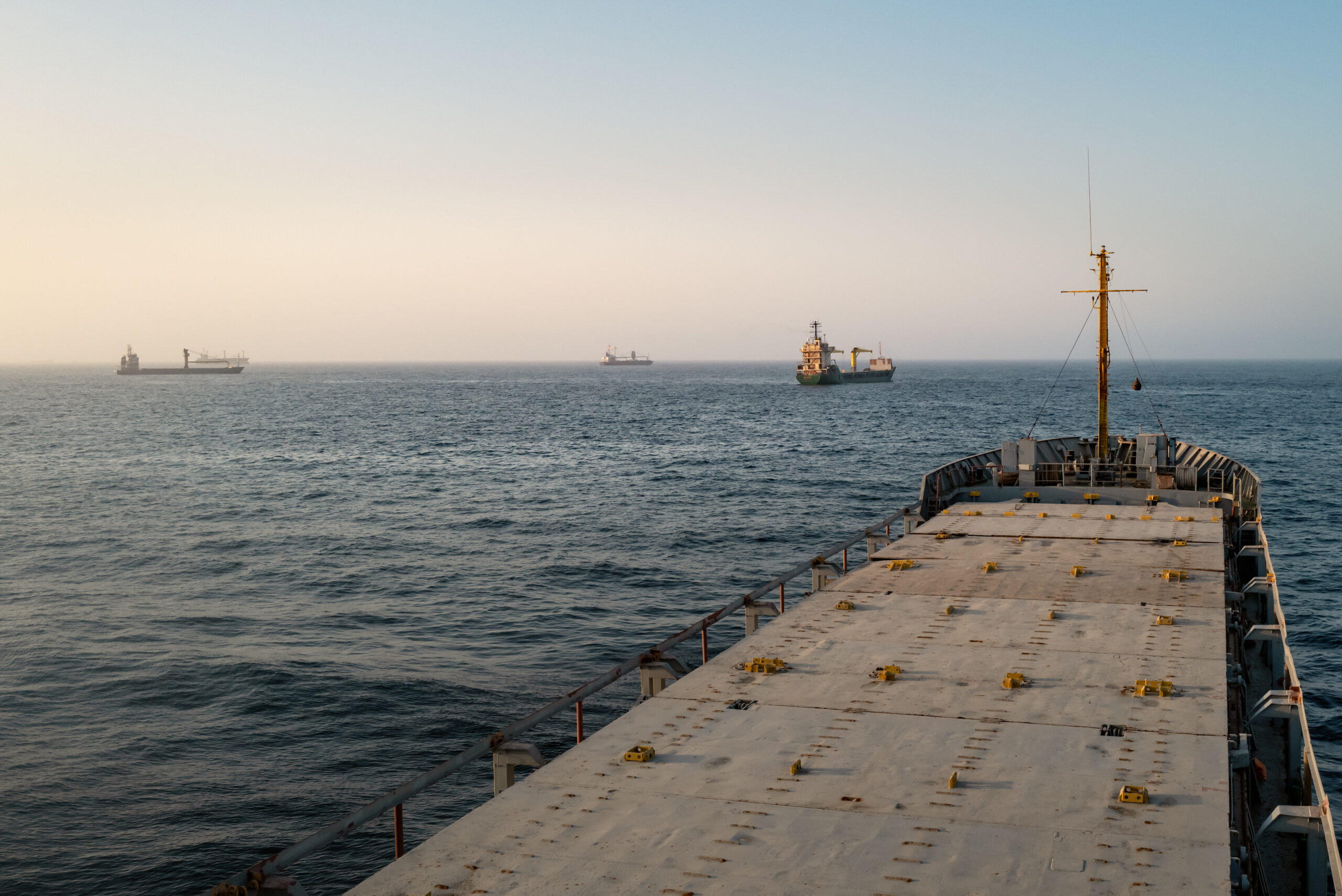
Sultan Al Jaber, CEO of Abu Dhabi National Oil Company (ADNOC), stated that Iran has indicated passage through the Strait of Hormuz requires permission, conditions, and political leverage. He described this as not constituting freedom of navigation. The statement addresses a key maritime route for global oil shipments.
Apr 9, 7:47 AM·2m read1 source
MA
 Substrate placeholder — needs review
Audio version
Tap play to generate a narrated version.
Sultan Al Jaber, chief executive of Abu Dhabi National Oil Company (ADNOC), issued a public statement regarding navigation through the Strait of Hormuz. ADNOC ranks among the world's largest oil companies by production capacity. The Strait of Hormuz serves as a critical chokepoint for oil exports from the Persian Gulf region.
Al Jaber noted Iran's position on maritime passage in the strait. He stated that Iran has made clear such passage is subject to permission, conditions, and political leverage. This assessment highlights ongoing concerns about navigational rights in the area.
“Iran has made clear that passage is subject to permission, conditions and political leverage. " — Sultan Al Jaber (@MarioNawfal) The Strait of Hormuz connects the Persian Gulf to the Gulf of Oman and the Arabian Sea. Approximately 20% of global oil consumption passes through this waterway daily, according to industry estimates.”
Disruptions here could affect energy supplies worldwide, impacting economies dependent on imported oil.
The strait spans about 21 miles at its narrowest point and is bordered by Iran to the north and Oman and the United Arab Emirates to the south.
Tensions in the region have periodically raised questions about secure passage. ADNOC, based in the UAE, relies on the strait for a significant portion of its oil exports. Al Jaber's remarks come amid broader geopolitical dynamics involving Iran and Gulf states.
Iran has historically asserted influence over the strait, including threats to close it during conflicts. The statement underscores the importance of uninterrupted navigation for international trade.
Any restrictions on passage could lead to higher oil prices and supply chain disruptions.