Substrate
science

Aedes Mosquitoes Found at Record 2438 Metres in Nepal

Researchers found Aedes aegypti and Aedes albopictus mosquitoes and larvae in Chandannath, one of the highest such locations recorded. The discovery follows dengue's spread to 76 of Nepal's 77 districts in 2025, with at least six deaths and around 9000 infections. Health authorities are examining the insects for signs of adaptation to higher altitudes.
New Scientist
1 source·May 8, 7:23 AM(22 hrs ago)·2m read
Aedes Mosquitoes Found at Record 2438 Metres in Nepalnews.sky.com
Audio version
Tap play to generate a narrated version.
Developing·Limited corroboration so far. This page will refresh as more sources emerge.

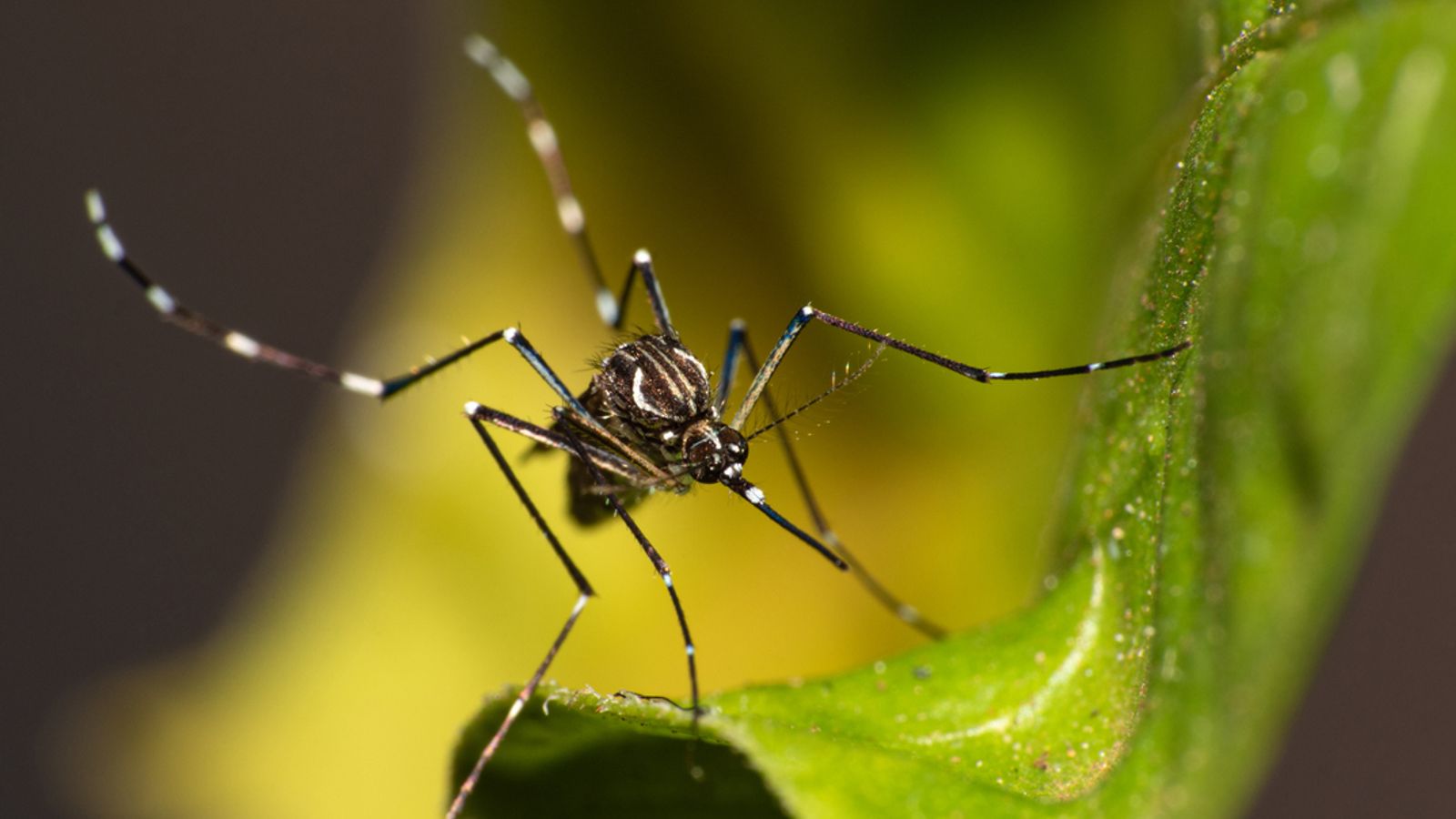
Aedes aegypti and Aedes albopictus mosquitoes and their larvae have been found in Chandannath, Nepal, at 2438 metres above sea level. The town is one of the highest locations where these dengue-carrying species have been discovered. Previously, the mosquitoes had been observed only at elevations of up to 2100 metres.

The findings come as dengue has spread across most of Nepal, fuelled by climate change as well as increasing travel. At least six people died of dengue in Nepal in 2025. Around 9000 people were infected with the virus that year, and it has now reached 76 out of the country's 77 districts.

Dengue cases have recently been reported in the high-altitude region of Mustang, Nepal. Pokhara serves as the main gateway to Mustang. Experts note that around 90 per cent of people infected with dengue are asymptomatic, suggesting reported cases represent only a small fraction of actual infections.

The Nepal Health Research Council is working with the Institute of Tropical Medicine in Antwerp, Belgium, to examine larvae and adult mosquitoes for changes in colour or shape indicating insecticide resistance or adaptation to different altitudes. Sunita Baral, a PhD student at the Nepal Health Research Council, examines mosquitoes inside a rearing cage as part of this effort.

The council studies larvae and adult mosquito specimens from many habitats to learn about dengue-carrying mosquitoes across Nepal.

Ishan Gautam, associate professor and chief of the Natural History Museum at Tribhuvan University in Kathmandu, shows Aedes larvae to students during awareness campaigns. Tribhuvan University organises these campaigns in which local people are shown live Aedes mosquito larvae and taught about breeding habits and removing stagnant water. Mosquito nets are being encouraged around Chandannath.


In one home there, local resident Devi Kannya Katayata breastfeeds her son Nehan Budha under a net. Photographer Yuri Segalerba documented these scenes while exploring how dengue has spread to Nepal's Himalayan districts. Amchi Khedup Loden Gurung, a traditional Tibetan healer, prepares Sowa Rigpa medicines in a clinic in Jomsom, northern Nepal.

Segalerba had been investigating the spread of dengue into high-altitude areas in the Peruvian Andes when he learned of the situation in Nepal. "It turned out to be the clearest setting for that question: a millennia-old medical tradition with its own framework for understanding illness, suddenly facing a disease it had never encountered before," he says.

@NewScientist reported that Segalerba's photo essay The Ascent of Temperatures captures the intersection of climate change, traditional knowledge systems and a rapidly spreading disease.

Sheets drying in the courtyard of Pokhara Hospital appear in his images, underscoring the infrastructure at the edge of these high-altitude zones now confronting dengue.

Key Facts

Highest recorded Aedes mosquito discovery
Chandannath at 2438 metres exceeds previous maximum observed elevation of 2100 metres for Aedes aegypti and Aedes albopictus
Dengue impact in Nepal 2025
Six deaths, 9000 infections, spread to 76 of 77 districts
Asymptomatic rate
Around 90 per cent of dengue infections show no symptoms

Story Timeline

3 events
  1. 2025

    At least six dengue deaths and around 9000 infections recorded across 76 of Nepal's 77 districts

    1 sourceKathmandu News via @NewScientist
  2. 2026

    Aedes aegypti and Aedes albopictus mosquitoes and larvae discovered in Chandannath at 2438 metres

    1 sourceYuri Segalerba via @NewScientist
  3. Recent

    Dengue cases reported in high-altitude Mustang region; Nepal Health Research Council launches adaptation and resistance studies

    1 source@NewScientist

Potential Impact

  1. 01

    Expanded public awareness campaigns and mosquito net distribution in areas above 2400 metres

  2. 02

    Ongoing laboratory analysis for insecticide resistance and altitudinal adaptation may inform future vector control strategies

Transparency Panel

Sources cross-referenced1
Confidence score75%
Synthesized bySubstrate AI
Word count437 words
PublishedMay 8, 2026, 7:23 AM
Bias signals removed2 across 1 outlet
Signal Breakdown
Loaded 1hyperbole 1

Related Stories

WHO Issues First Global Guideline on Infertility Prevention and Treatmentindianexpress.com
science2 hrs agoDeveloping

WHO Issues First Global Guideline on Infertility Prevention and Treatment

The World Health Organization released its first global guideline calling on countries to improve fertility care by making it safer, fairer and more affordable. Infertility affects an estimated 1 in 6 people of reproductive age. The recommendations cover prevention, diagnosis and…

WH
1 source
Hiker Found Dead From Suspected Bear Attack in Glacier National ParkNbc News
science2 hrs ago

Hiker Found Dead From Suspected Bear Attack in Glacier National Park

Search crews discovered the body of a missing 33-year-old Florida man about 50 feet off the Mt. Brown Trail in Glacier National Park on Wednesday. Park officials said his injuries were consistent with a bear encounter. The last fatal bear attack in the park occurred in 1998.

Nbc News
nypost.com
globalnews.ca
foxnews.com
4 sources
Pentagon Releases UFO Documents as Trump Urges Public ReviewSubstrate placeholder — needs review
science4 hrs agoDeveloping

Pentagon Releases UFO Documents as Trump Urges Public Review

The Pentagon released UFO documents on Friday. President Trump said the public should "have fun" deciding for itself what the materials show. CBS News reported the release and Trump's statement.

Cbs News
winnipegfreepress.com
2 sources