Substrate
business

Africa's Richest Man Plans Second Oil Refinery in Kenya

The businessman who opened Nigeria's 650,000-barrel-per-day refinery in 2024 has said he prefers to build a new $15-17 billion facility in Mombasa rather than Tanzania. The move follows global oil supply disruptions caused by conflict involving the U.S., Israel and Iran that closed the Strait of Hormuz.

Al Jazeera
1 source·May 12, 1:14 PM(17 days ago)·2m read
|
Africa's Richest Man Plans Second Oil Refinery in KenyaAl Jazeera
Audio version
Tap play to generate a narrated version.
Developing·Limited corroboration so far. This page will refresh as more sources emerge.

The businessman who launched Nigeria's only operational oil refinery in 2024 has announced plans for a second large refinery in East Africa. The new facility would be modeled on the $19 billion project in Lagos State and is projected to cost between $15 billion and $17 billion.

Construction would target Mombasa, Kenya, which the businessman cited for its deeper port and larger economy compared with Tanzania's Tanga port. The announcement comes after global oil prices rose and supplies were disrupted when the Strait of Hormuz was closed.

About 20 percent of the world's oil and natural gas passes through the strait. West, South and East African countries rely primarily on imports of refined petroleum products from the Middle East and have been seeking ways to improve energy security.

Nigeria's refinery began selling large volumes of refined products across the continent as the conflict escalated in March. By the end of March the facility, which can process 650,000 barrels per day, was also receiving orders from outside Africa, particularly for jet fuel after hundreds of flights were cancelled in various regions.

Neighbouring countries including Cameroon, Togo, Ghana and Tanzania have turned to the Nigerian refinery as Middle East supplies tightened.

Nigeria, Africa's largest oil producer, has had no functional state-owned refinery and had not refined oil meaningfully since 2019. The new facility has positioned the country to become a net exporter of jet fuel and diesel. African countries refine only about 44 percent of the oil they consume, according to a 2022 African Union report, with the remainder imported.
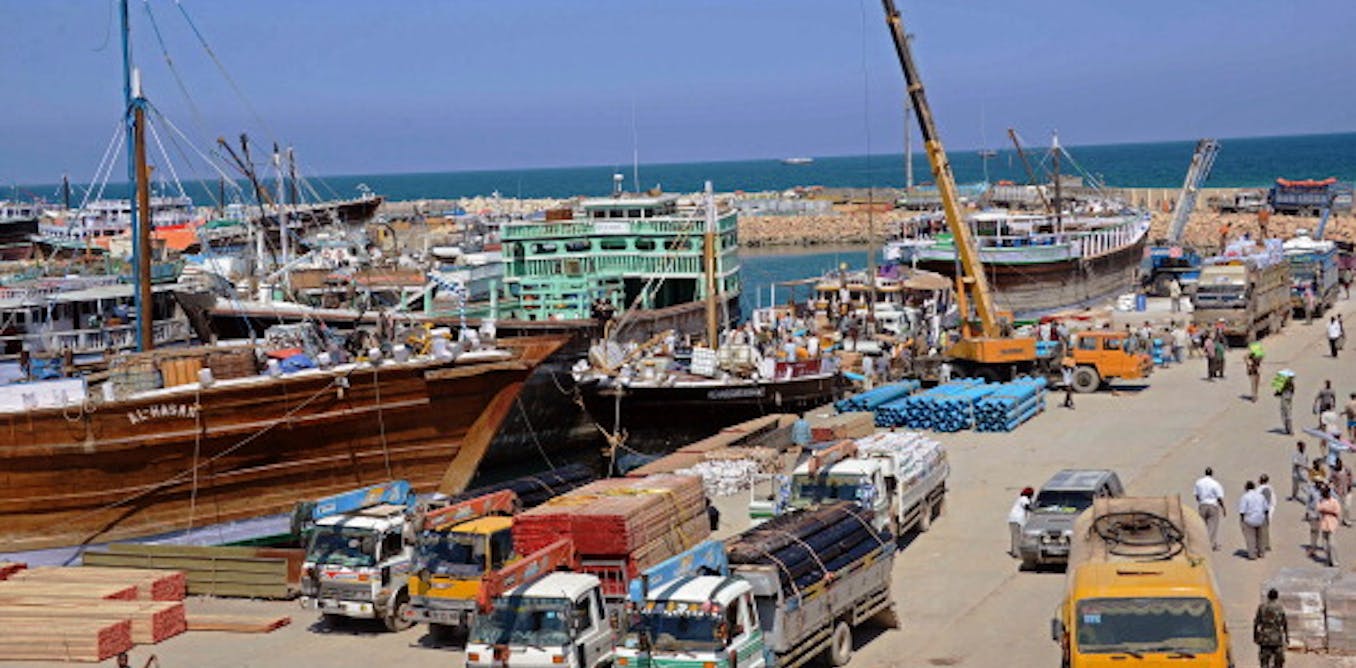
North Africa has 21 refineries, Southern Africa has seven and West Africa has 14, but many operate below capacity or are idle. East Africa has had no operating refining capacity since the Mombasa refinery closed in 2013. The region holds about 4.7 billion barrels of crude reserves, mainly in Uganda, South Sudan, Kenya and the Democratic Republic of the Congo.

Kenya imported 40 million barrels of petroleum in 2025, primarily from the UAE, Saudi Arabia, India and Oman.

A refinery in Kenya would reduce East Africa's dependence on Middle East imports. Local refining capacity is expected to result in lower petrol prices, reduced transport costs and greater availability of by-products such as fertilisers and petrochemicals.

In Nigeria, local airlines have continued to face high jet fuel prices despite the new supplies. The government removed fuel subsidies in 2023 and bureaucracy at the state oil company required the refinery to import some crude. The refinery is reported to be contributing to a more transparent and competitive market.

Other refining projects are advancing. A 30,000-barrel-per-day facility in Angola began supplying markets last week and plans to double capacity by the end of 2026. A government-funded refinery in Uganda is scheduled to start operations in 2029 with capacity of 60,000 barrels per day.

African governments are expected to create business conditions that support private investment in additional capacity.

Key Facts

650,000 bpd
capacity of Nigeria refinery
$15-17 billion
projected cost of new Kenya refinery
44 percent
share of oil refined in Africa
Mombasa
preferred site for new refinery
No operating refineries
in East Africa since 2013

Story Timeline

4 events
  1. February 2026

    Nigeria refinery reached full 650,000 bpd production capacity.

    1 sourceAl Jazeera
  2. March 2026

    Refinery began selling large volumes across Africa as conflict disrupted supplies.

    1 sourceAl Jazeera
  3. April 2026

    Kenya president announced talks for joint East Africa refinery at Tanga port.

    1 sourceAl Jazeera
  4. 2026-05-12

    Businessman stated preference for building new refinery in Mombasa, Kenya.

    1 sourceAl Jazeera

Potential Impact

  1. 01

    East African countries would reduce reliance on Middle East refined fuel imports.

  2. 02

    Kenya could gain new refining capacity of approximately 650,000 barrels per day.

  3. 03

    Regional petrol prices and transport costs could decline with local supply.

  4. 04

    Additional by-products such as fertiliser would become available for local industries.

Transparency Panel

Sources cross-referenced1
Confidence score65%
Synthesized bySubstrate AI
Word count493 words
PublishedMay 12, 2026, 1:14 PM
Bias signals removed2 across 2 outlets
Signal Breakdown
Framing 1Editorializing 1

Related Stories

EU Fines Temu €200 Million Over Unsafe ProductsLos Angeles Times
business1 hr ago

EU Fines Temu €200 Million Over Unsafe Products

The European Commission imposed a €200 million fine on Chinese e-commerce platform Temu for failing to assess risks from illegal goods. The penalty is the second issued under the Digital Services Act.

Los Angeles Times
The New York Times
BBC News
3 sources
Aggreko to Build Off-Grid Hybrid Plant for Eva Copper MineAbc
business21 hrs ago

Aggreko to Build Off-Grid Hybrid Plant for Eva Copper Mine

Global energy company Aggreko will construct Australia's largest off-grid renewable hybrid power facility at the Eva Copper Mine in North West Queensland. The 15-year project will supply 72 megawatts of power using solar, battery storage and thermal generation.

Abc
1 source
EU fines Temu more than $230 million over illegal product salestheyeshivaworld.com
business1 day ago

EU fines Temu more than $230 million over illegal product sales

The European Commission imposed a €200 million penalty on the Chinese e-commerce platform after finding consumers are very likely to encounter illegal items. Temu has until August 26 to submit a compliance plan or face further penalties.

The New York Times
The Verge
2 sources