world
African Energy Producers Accelerate Plans to Increase Output
Countries across Africa have accelerated plans to boost energy independence following the Iran war. Senegal is seeking $7.5 billion in investment for a gas field discovered about a decade ago. Morocco and Nigeria have agreed to jointly develop a $25 billion pipeline while Africa's richest man has pledged to upgrade refining capacity.
May 14, 7:31 AM·1m read1 source
 Semafor
Audio version
Tap play to generate a narrated version.
Developing·Limited corroboration so far. This page will refresh as more sources emerge.
Countries across Africa have accelerated plans to boost their energy independence as the Iran war prompted efforts to reduce reliance on imported fuels, Semafor reported on May 14, 2026. While some African countries are major oil and gas producers, the continent imports the vast majority of its fuels.
This leaves it exposed to foreign energy shocks. Officials have responded by moving to develop local resources and infrastructure. Senegal is courting $7.5 billion in investment to develop a major gas field discovered around a decade ago. The project could help ease the country's costly energy subsidies.
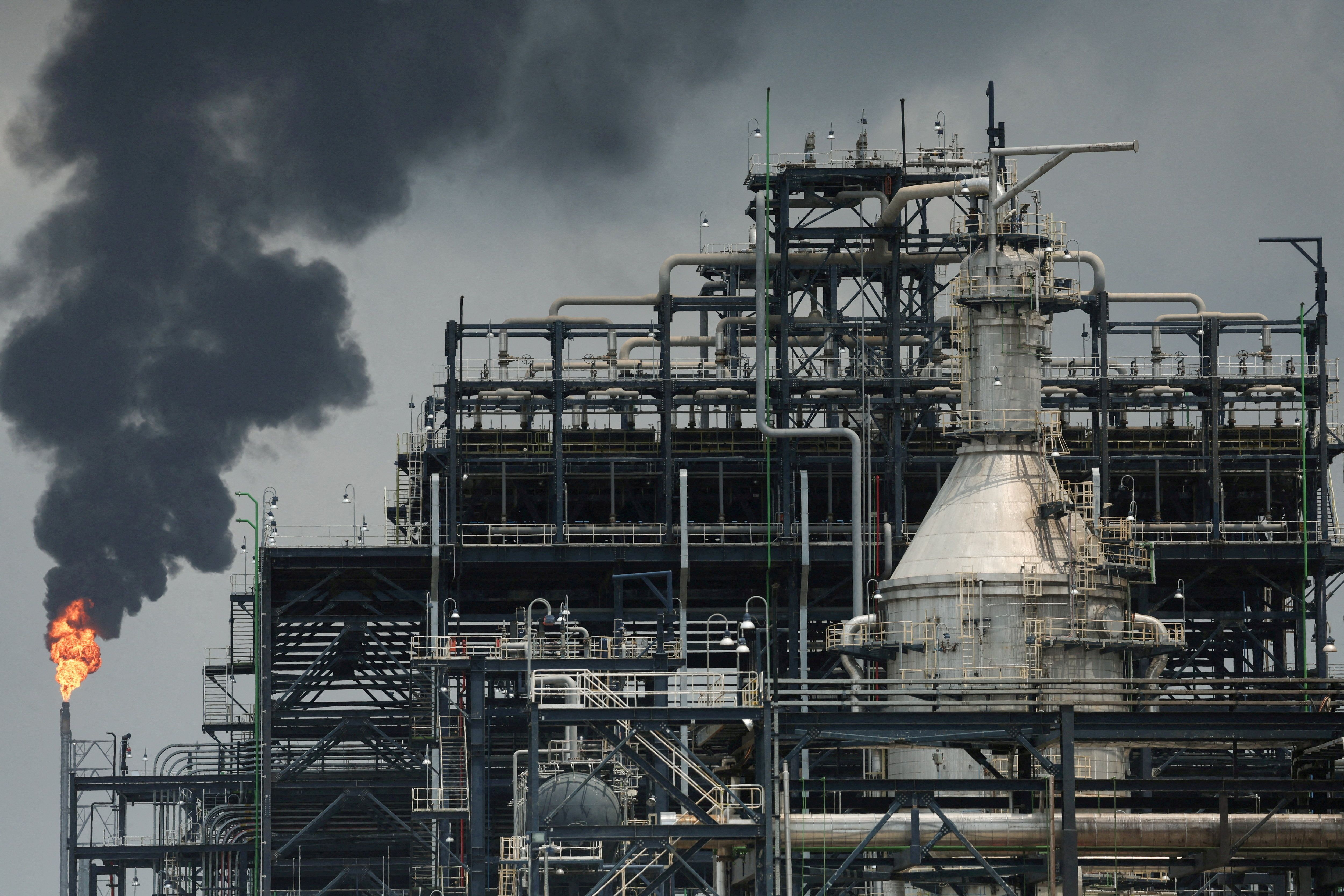
Nigeria have vowed to jointly develop a $25 billion pipeline. The initiative forms part of broader moves to strengthen energy security across the continent. Africa's richest man has vowed to upgrade the continent's refining capacity. The pledge aims to address the gap between local production and imported fuel needs.
The developments reflect a continent-wide push to limit vulnerability to international energy market disruptions following the conflict involving Iran.