ai
AI Researchers Develop World Models to Simulate Physical Reality
Researchers are building AI systems that learn from video to understand hidden objects, predict future events, and simulate physical interactions. The approach aims to overcome current limitations in language-based models.
FO
 focustaiwan.tw
Audio version
Tap play to generate a narrated version.
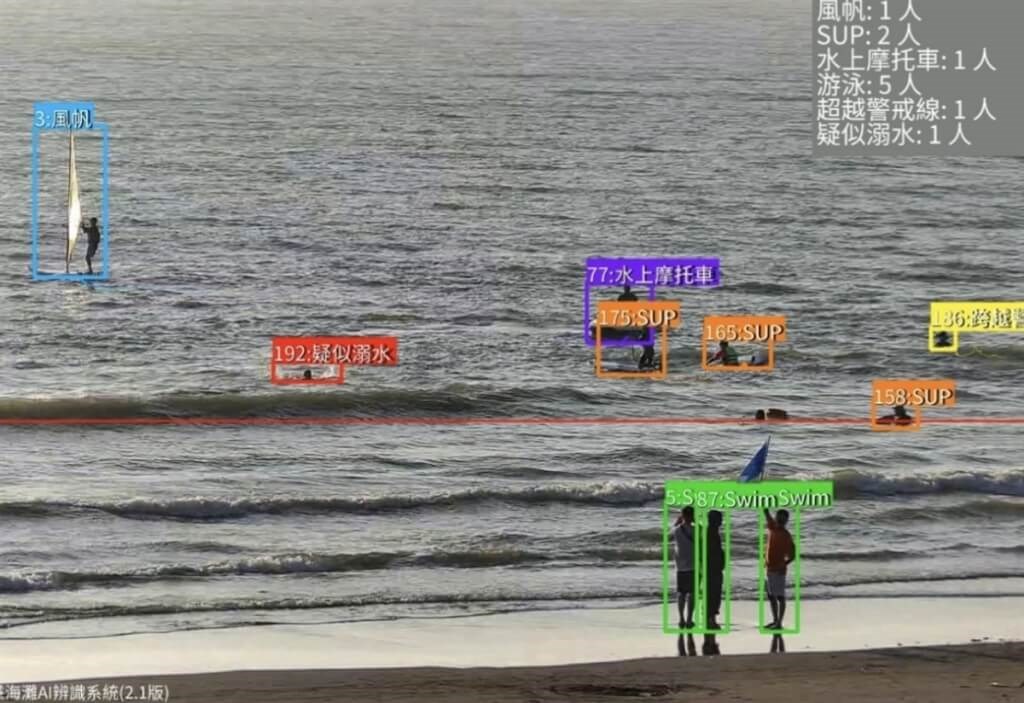
Today's AI systems can describe visible objects but struggle to understand what is hidden or what will happen next in a sequence of actions. Researchers are addressing this gap by developing world models that simulate how the physical world behaves.
Post by @FortuneMagazine on X
These models are trained on millions of hours of video to build internal representations of physics and object interactions. Applications include helping self-driving cars predict pedestrian movements, enabling home robots to fold clothes, and allowing surgeons to rehearse procedures.
Google released a research preview called Project Genie that generates interactive environments from text prompts and predicts how those environments respond to user actions. Stanford professor Fei-Fei Li founded World Labs in 2024 to develop systems with a stronger sense of three-dimensional space.
Meta's former chief AI scientist Yann LeCun launched AMI Labs in March to move beyond language model limitations. LeCun stated that current systems manipulate language but remain helpless when dealing with the physical world. Niantic Spatial is developing large geospatial models using over 30 billion images and 3D scans from Pokémon Go player data.
Tel Aviv-based Decart generates video environments in real time to support applications such as virtual clothing try-on. Palo Alto-based Odyssey, founded by Oliver Cameron and Jeff Hawke, focuses on predicting how the world evolves over time for uses in robotics, gaming, and health care.
Training these models requires more computing power than language models, with each Nvidia H200 chip costing up to $40,000 per user for some systems. Nvidia vice president Ming-Yu Liu said a breakthrough moment comparable to ChatGPT may be approaching for physical AI applications.