AI Vaccine Targets Virus Families in Early Human Trial
A DNA vaccine created with machine learning produced immune responses to multiple coronaviruses in a phase I study of 49 volunteers. Researchers plan a phase II trial with more than 200 participants. The approach aims to address shared viral features rather than individual strains.
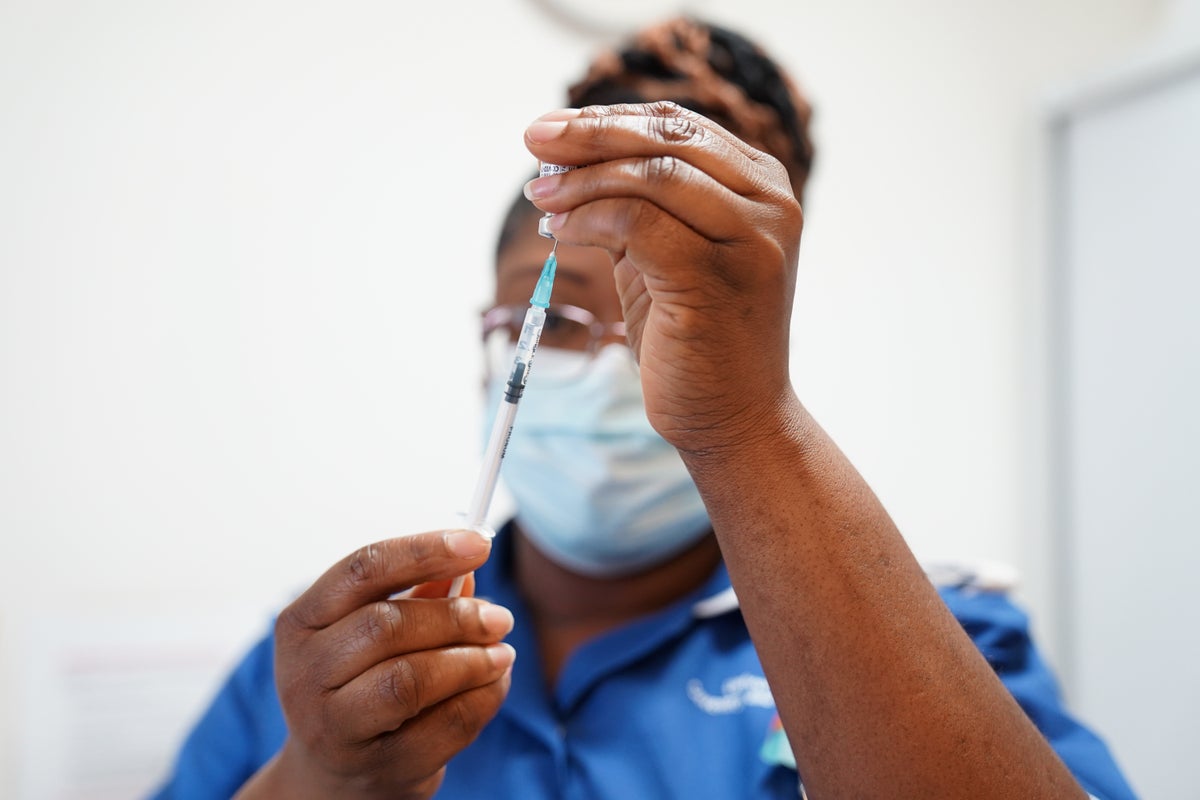 The Independent
A DNA vaccine developed through artificial intelligence triggered immune responses against SARS-CoV-2, SARS, and related bat coronaviruses in a completed phase I trial. The study, published in the Journal of Infection, enrolled 49 healthy volunteers aged 18 to 50 who received the injection at sites in Cambridge and Southampton.
The vaccine was delivered without a needle using a high-pressure stream of liquid that carries genetic instructions into skin cells. Researchers reported the shot was safe and produced antibodies against several members of the Sarbecovirus family. Animal tests conducted earlier showed similar broad responses.
A phase II study will recruit more than 200 additional participants to assess dosing and immune durability. The vaccine was developed by the University of Cambridge and DIOSynVax. The same technology analyzes genetic sequences from past and current outbreaks to identify parts of viruses that change little over time.
"This is about making one vaccine that will get them all based on their relationships," Professor Jonathan Heeney said. "It not only predicts, but it targets what is essential for that virus family," he added. Professor Saul Faust stated that the method could protect against variants that have not yet appeared in humans.
"If we can develop and clinically advance this new class of vaccines before a virus outbreak begins, millions of lives could be saved, lockdowns avoided and the economy preserved," he said.


