Air Force Extends A-10 Service to 2030, Reduces Funding and Training Support
The U.S. Air Force announced in April 2026 that the A-10 Thunderbolt II will remain in service through 2030. The fiscal 2027 budget provides no modernization funds and reduces depot maintenance below stated requirements.
 The War Zone
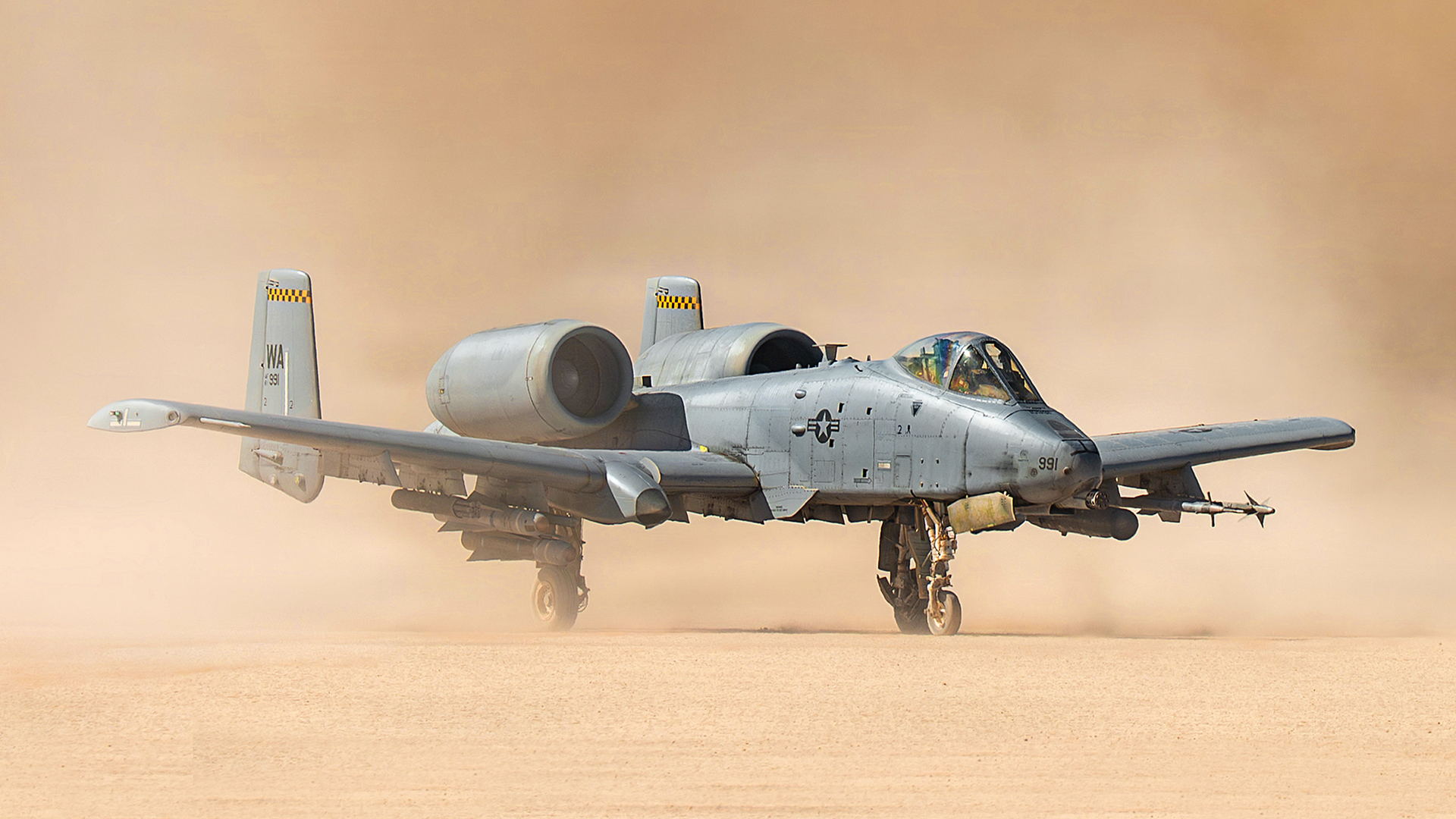
The U.S. Air Force announced in April 2026 that the A-10 Thunderbolt II will remain in service through 2030 after the aircraft flew combat missions over the Strait of Hormuz and supported the recovery of two downed F-15E airmen inside Iran. The fiscal 2027 budget released after the announcement allocates zero dollars for A-10 modernization and funds depot maintenance below the service’s own requirement.
The plan also applies “sunset” policy tied to the aircraft’s planned divestment.
2025 the A-10 struck Iranian fast-attack craft near the Strait of Hormuz. Later that month the aircraft flew Sandy escort missions that recovered two F-15E crew members from inside Iran. In April 2026 the 357th Fighter Squadron at Davis-Monthan Air Force Base graduated its final A-10 training class.
The same month the Air Force confirmed no successor qualification program for the Sandy mission is under development.
The active A-10 inventory stood at 162 aircraft at the start of fiscal 2026. Current projections show the fleet falling to 54 aircraft next year and 36 by 2030. The Air National Guard’s 47-aircraft force is scheduled to reach zero. Active-duty operations are expected to shrink to a single squadron of 17 jets.
The 357th Fighter Squadron, the formal A-10 schoolhouse, is set to inactivate later this year.
The Air Force completed a $1.1 billion re-wing program for 173 aircraft in 2019 and awarded a follow-on contract worth up to $999 million for the remaining 109 jets. Congress appropriated $100 million in 2021 to sustain the fleet, of which the service spent $15.6 million.