science
American Academy of Pediatrics Updates Recess Guidance After More Than a Decade
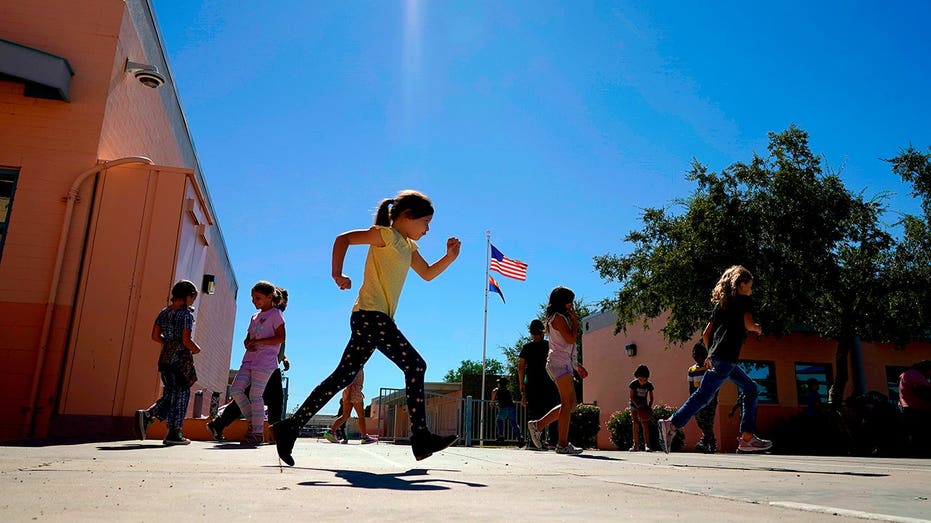
The American Academy of Pediatrics released updated guidance Monday urging schools to protect recess time, citing benefits for focus, social skills and physical activity. The policy comes as up to 40 percent of districts have cut recess since the mid-2000s amid rising childhood obesity. Lead author Robert Murray said students who misbehave often need recess most.
May 11, 8:12 AM·1m read1 source
 Fox News
Audio version
Tap play to generate a narrated version.
Developing·Limited corroboration so far. This page will refresh as more sources emerge.
The American Academy of Pediatrics released updated guidance urging schools to protect recess, marking the first such update in more than a decade. The new guidance was published Monday in the journal Pediatrics. Robert Murray, a lead author of the guidance, said recess delivers major benefits for kids' health, learning and behavior.
"It has a very powerful benefit if it’s used to the fullest," Murray said. Researchers say recess helps students reset between lessons, improving focus and memory. It also gives kids time to build social skills, boost confidence and stay physically active.
U.S. children and teens struggle with obesity. The physical activity during recess is a key factor in addressing that statistic. U.S.
Centers for Disease Control and Prevention. The Springboard to Active Schools group is pushing schools to provide at least 20 minutes of daily recess and multiple breaks. The group warned against using recess as punishment.
Murray said that has become a common practice despite the drawbacks. "If the child is disruptive or rude and disrespectful, recess is one of the things that teachers use to punish kids," Murray said. He added that students who are disruptive often need recess most.
Doctors also stress that recess is not just for younger children. As kids get older, they are more on their screens, making outdoor activity especially valuable.
So it’s really helpful, I think, for outdoor activity and recess to be happening. Recess is great," said Dr. Lauren Fiechtner, a pediatric specialist. Students in Denmark, Japan and the United Kingdom get more frequent breaks, often after every 45 to 50 minutes of instruction.