science
Amnesty International Report Says Nevada Lithium Projects Lack Indigenous Consent
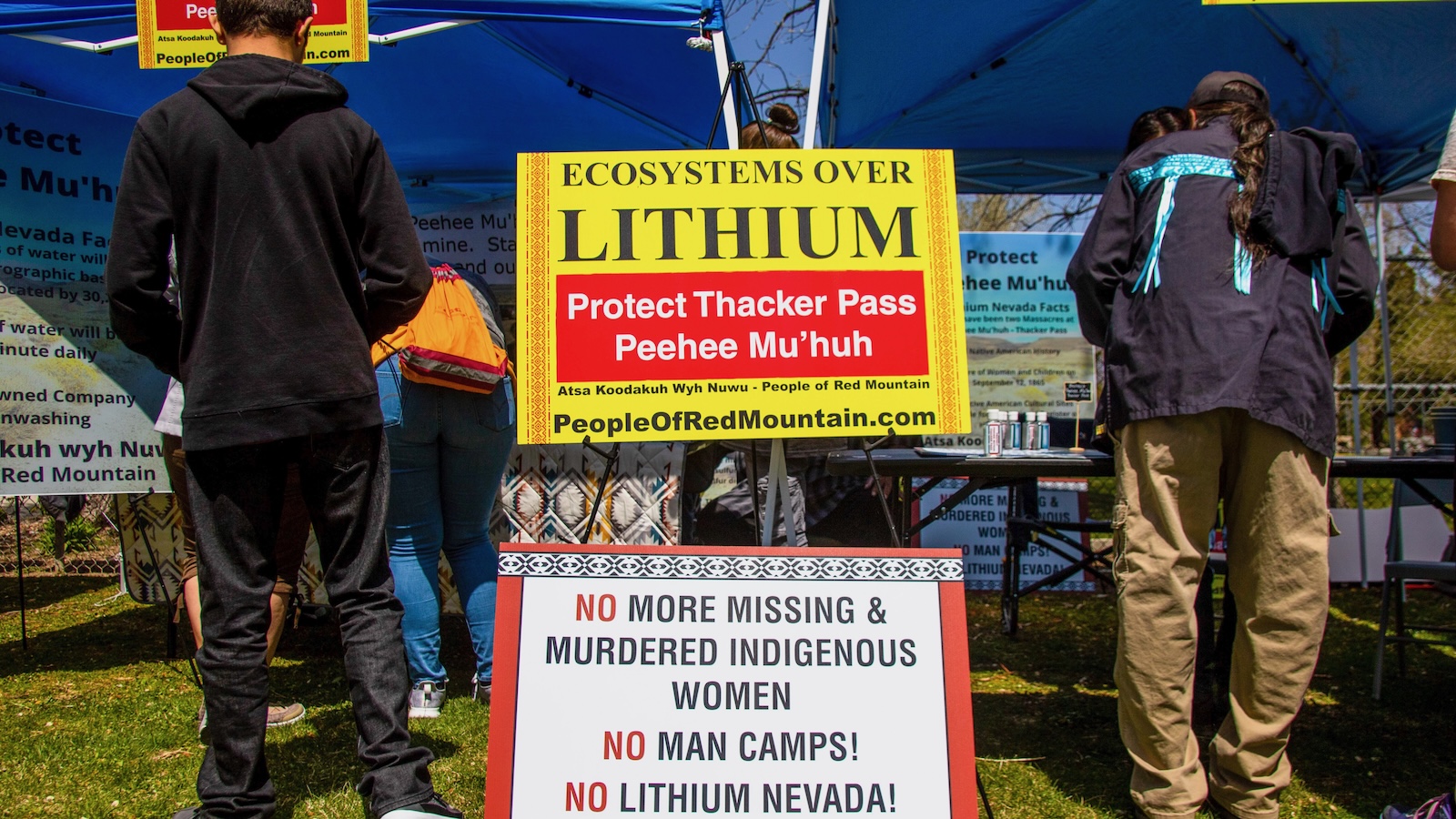
Amnesty International released a report stating that three lithium mining projects in Nevada are advancing without free, prior and informed consent from affected Indigenous communities. The projects are located on public lands considered unceded territory by the Western Shoshone and Paiute peoples. Companies involved disputed the findings and said they have complied with U.S.
May 12, 4:55 PM·3m read1 source
 Grist
GristAudio version
Tap play to generate a narrated version.
Developing·Limited corroboration so far. This page will refresh as more sources emerge.
Amnesty International released a report on May 12, 2026, stating that three lithium mining projects in Nevada are proceeding without free, prior and informed consent from Indigenous peoples. The organization called for the suspension of federal permits for all lithium mines in the state.
The report comes as demand for lithium, used in electric vehicle batteries, has increased. Nevada holds about 85 percent of the United States' known lithium reserves. The three projects examined are the Thacker Pass Lithium Mine, which is under construction, the Rhyolite Ridge Lithium-Boron Project, slated to begin construction this year, and the Nevada North Lithium Project, which remains in the exploratory phase.
Each is located primarily on public land that the Western Shoshone and Paiute consider unceded territory. The report states that the projects violate the principle of free, prior and informed consent, known as FPIC, an international standard affirmed in the United Nations Declaration on the Rights of Indigenous Peoples.
Amnesty International said federal review processes fell short of that standard even though the projects received approval from U.S. agencies. "This is our land," said Fermina Stevens, a member of the Te-Moak Tribe of Western Shoshone and the executive director of the Western Shoshone Defense Project.
" Mark Dummett, head of business and human rights at Amnesty International, said mining companies must follow international human rights standards regardless of domestic laws. He added that the Trump administration's push for deregulation, including fast-tracked permits and limited environmental review, has reduced opportunities for Indigenous peoples to provide full consent.