Substrate
world

Analysis Examines Unexpected Outcomes of Hypothetical U.S.-Israel Conflict with Iran

A Foreign Affairs article by Suzanne Maloney describes a scenario where a U.S.-Israel military action against Iran results in a prolonged conflict rather than a quick regime collapse. The piece highlights the conditions that enable Tehran to influence the conflict's duration. It provides context on the strategic assumptions behind such an intervention.

FO
1 source·Apr 5, 8:01 PM(53 days ago)·2m read
Analysis Examines Unexpected Outcomes of Hypothetical U.S.-Israel Conflict with IranSubstrate placeholder — needs review
Audio version
Tap play to generate a narrated version.

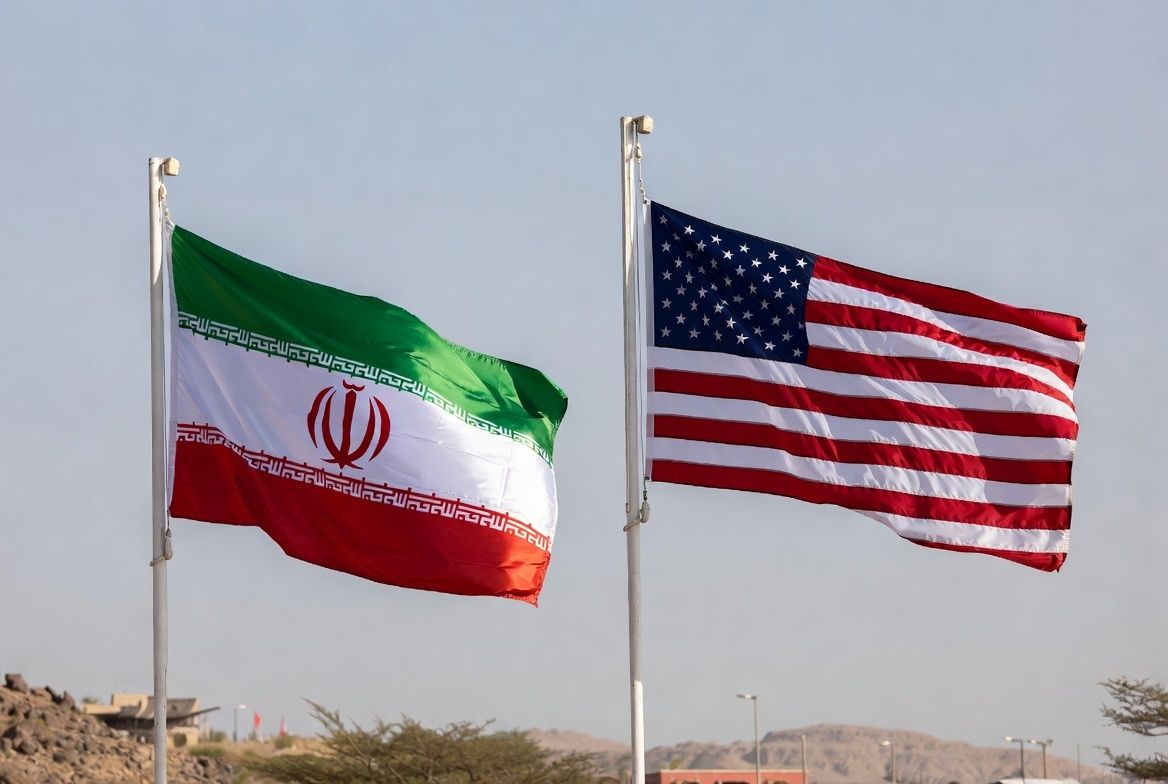
WASHINGTON — In a recent analysis published by Foreign Affairs, Suzanne Maloney, deputy director of the Foreign Policy Program at the Brookings Institution, examines a hypothetical military conflict involving the United States, Israel, and Iran. The article addresses expectations of a short war leading to rapid regime change in Tehran and contrasts them with potential realities of extended fighting.

Maloney writes that U.S. and Israeli planners have anticipated a brief operation to topple the Iranian government. However, the analysis posits that such an intervention could instead result in a prolonged and resource-intensive conflict. According to the piece, the geography and resilience of Iran's military and political structures would shape the engagement.

The article details how Iran's terrain, including mountainous regions and urban centers, could complicate ground operations and favor defensive strategies. Tehran’s ability to mobilize domestic support and leverage asymmetric warfare tactics, such as missile strikes and proxy forces, would extend the timeline.

Foreign Affairs reported that these factors allow Iranian leadership to determine the conflict's end conditions more than anticipated.

Background on U.S.-Israel planning includes assessments from military think tanks and government reports dating back to the early 2000s. These documents outline scenarios for preemptive strikes to neutralize Iran's nuclear program and weaken its regional influence.

Stakeholders affected include regional allies like Saudi Arabia and Gulf states, which face heightened security risks from escalation, as well as global energy markets due to Iran's role in oil production.

The analysis underscores the stakes for all parties: for the U.S. and Israel, a drawn-out war could strain military resources and domestic political support; for Iran, survival of the regime would depend on sustaining operations amid sanctions and isolation. Civilians in Iran and neighboring countries would bear the brunt of casualties and displacement.

Looking ahead, Maloney's piece suggests that policymakers should consider diplomatic alternatives, such as renewed nuclear talks under frameworks like the Joint Comprehensive Plan of Action. International bodies, including the United Nations, could play a role in de-escalation efforts.

The article does not predict specific outcomes but emphasizes the need for realistic contingency planning based on historical precedents like the Iraq War.

Key Facts

Suzanne Maloney
Brookings deputy director authoring the analysis
Hypothetical conflict
Expected brief war turns prolonged per report
Tehran’s role
Influences conflict end conditions in scenario
U.S.-Israel anticipation
Plans for rapid regime collapse in Iran

Story Timeline

2 events
  1. Recent publication

    Suzanne Maloney publishes analysis in Foreign Affairs on hypothetical Iran conflict outcomes.

    1 source@ForeignAffairs
  2. Early 2000s onward

    U.S. and Israel develop planning documents anticipating brief war and regime collapse in Iran.

    1 source@ForeignAffairs

Potential Impact

  1. 01

    Prolonged conflict could increase U.S. military spending and resource allocation.

  2. 02

    Diplomatic efforts for nuclear talks could gain renewed international focus.

  3. 03

    Regional escalation might heighten tensions with Iran's proxies in Syria and Iraq.

  4. 04

    Global oil prices may fluctuate due to disruptions in Iranian exports.

Transparency Panel

Sources cross-referenced1
Confidence score70%
Synthesized bySubstrate AI
Word count361 words
PublishedApr 5, 2026, 8:01 PM
Bias signals removed4 across 2 outlets
Signal Breakdown
Loaded 1Speculative 1Framing 1Diminishing 1

Related Stories

WHO Chief Visits DRC as Ebola Death Rate Reaches 30-50%The Guardian
world2 hrs ago

WHO Chief Visits DRC as Ebola Death Rate Reaches 30-50%

World Health Organization director-general Tedros Adhanom Ghebreyesus arrived in the Democratic Republic of the Congo to support containment of a new Ebola outbreak. The agency revised the death rate to 30-50% based on confirmed cases and recorded 10 confirmed and 223 suspected d…

SK
The Guardian
2 sources
Greek National Charged in UK With Aiding Iran-Linked Intelligence Servicewesternjournal.com
world2 hrs ago

Greek National Charged in UK With Aiding Iran-Linked Intelligence Service

A 46-year-old Greek man living in Germany was charged under the UK National Security Act with assisting an intelligence service believed to be Iran by targeting a journalist at Iran International.

Reuters
BBC News
2 sources
Bilt Rewards reports $1 billion revenue target for 2026physicianonfire.com
world2 hrs agoDeveloping

Bilt Rewards reports $1 billion revenue target for 2026

Bilt Rewards CEO Ankur Jain said the company's flagship credit card accounts for less than 11 percent of revenue. The firm now processes more than $100 billion in annual housing spend across one in four U.S. apartment buildings.

FO
1 source