Analyst Says Next India-Pakistan Crisis Would Be Harder for U.S. to Manage
Elizabeth Threlkeld of the Stimson Center wrote that the next India-Pakistan crisis is likely to be more dangerous and destructive than the May 2025 fighting. Both countries have expanded their military capabilities and expressed confidence that intensified conventional conflict would not lead to nuclear escalation. @ForeignAffairs reported that U.S.
 techjuice.pk
Elizabeth Threlkeld, a senior fellow at the Stimson Center, wrote that the next crisis between India and Pakistan is likely to prove more dangerous, more destructive, and more difficult for Washington to manage than the May 2025 conflict. The May 2025 crisis began after a terrorist attack on April 22 in Indian-administered Kashmir’s Pahalgam Valley.
Gunmen killed 25 Indian citizens and one Nepali national. India blamed Pakistan for the attack and responded with diplomatic measures that included suspending the Indus Waters Treaty, which had been in place since 1960. India then carried out precision-guided strikes on nine sites in Punjab province and Pakistani-administered Kashmir.
The strikes reached deeper into Pakistani territory than any since the 1971 war. Pakistan responded by downing several Indian fighter jets. Further exchanges included drone attacks and an Indian strike on at least 11 military sites, including Nur Khan Airbase near Rawalpindi.
The fighting produced more than 70 casualties and marked the most intense conflict between the two countries since the 1999 Kargil clash.
Since 2025 Both countries have since expanded their capabilities to strike faster, farther, and in greater volume. They have acquired new systems, expanded domestic development programs, and carried out structural reforms to improve coordination. Military planners in both capitals have concluded that more intense conventional fighting would not necessarily risk nuclear escalation.
The statement drew criticism in New Delhi, which has long maintained that its disputes with Pakistan are bilateral matters. ” The next day, administration officials received new intelligence that prompted a shift. Vance and Secretary of State Marco Rubio then helped secure a cease-fire on May 10.
Threlkeld wrote that Washington’s traditional role in facilitating de-escalation will remain important. She stated that both sides showed caution in past crises but climbed new rungs of the escalation ladder in 2025 without serious repercussions. The introduction of novel systems and targets could increase the risk of inadvertent nuclear use even if deliberate nuclear strikes remain unlikely.
Threlkeld recommended that the United States and its partners develop a playbook for rapid decision-making and support quiet channels between New Delhi and Islamabad. Such steps, she wrote, could help prevent the next incident from escalating further.
Transparency
Story details
Related Stories
 France 24
Hundreds Attend Cockroach Janata Party Protest in New Delhi
Supporters of the Cockroach Janata Party held their first physical demonstration at Jantar Mantar on Saturday. The event marked the movement's initial shift from online activity to street politics.
 foxnews.com
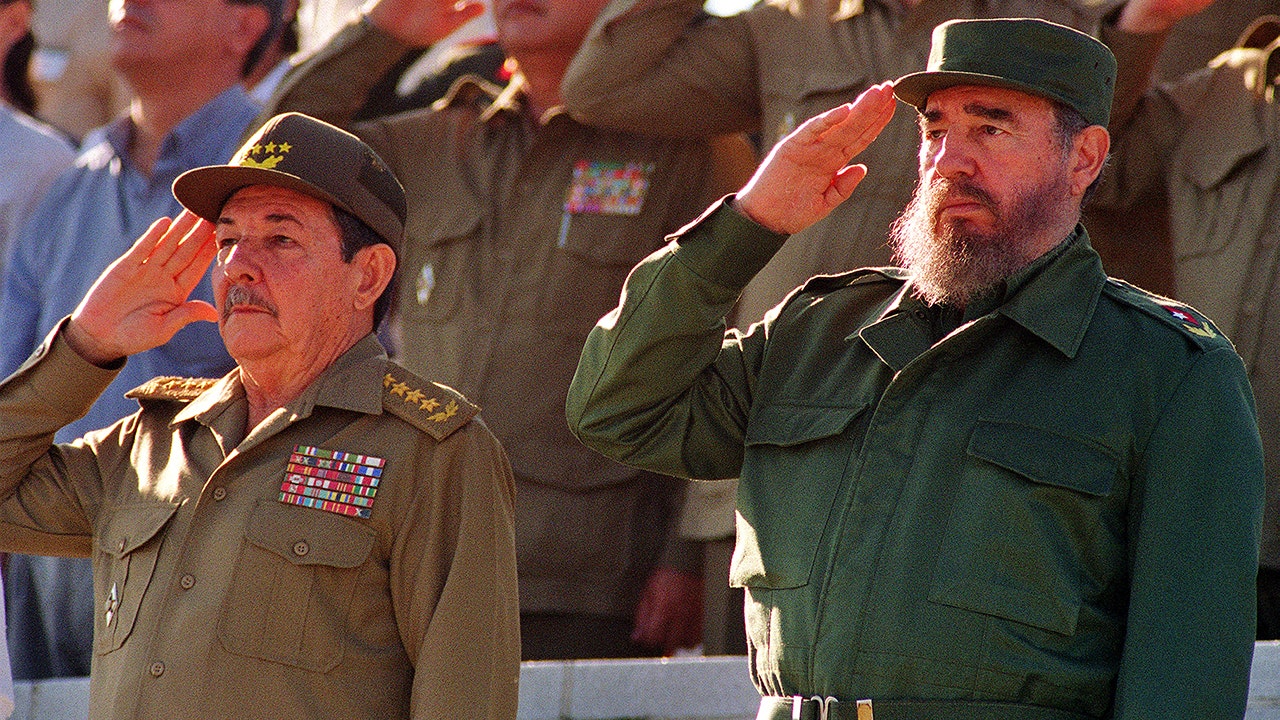
Raul Castro Attends 65th Anniversary of Cuba's Ministry of the Interior
Cuba's former president appeared publicly for the first time since a May U.S. indictment on murder charges.
 ukdefencejournal.org.uk
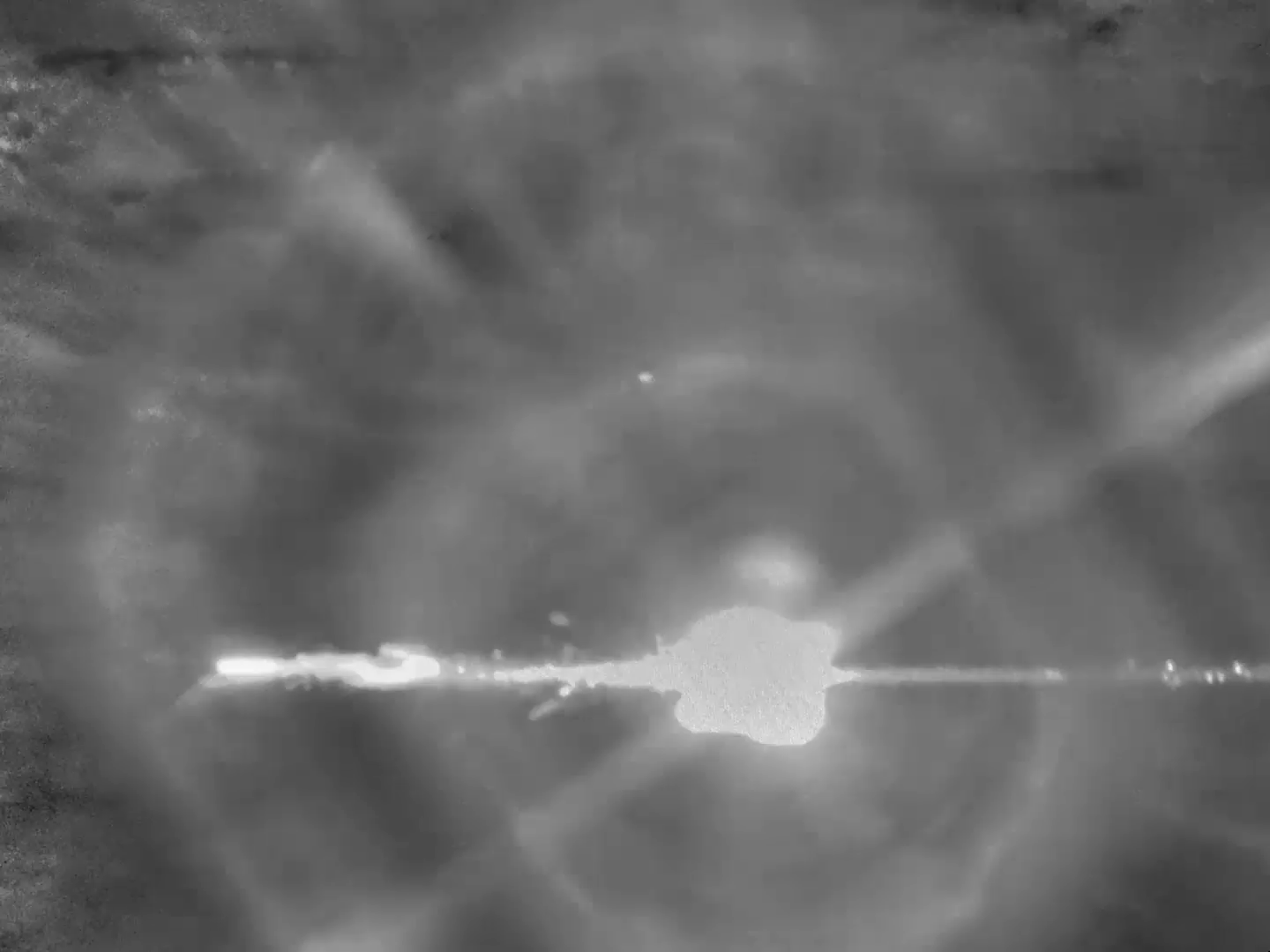
U.S. Forces Intercept Iranian Missiles and Drones Near Strait of Hormuz
U.S. Central Command shot down Iranian ballistic missiles and drones aimed at the Strait of Hormuz and Gulf states on Friday. The exchange followed earlier U.S. strikes on Iranian radar sites and came amid ongoing ceasefire talks.