world
Analysts Richard Betts and Stephen Biddle Assess Costs and Benefits of War in Iran
Richard Betts and Stephen Biddle, writing in Foreign Affairs, argue that the costs of the war in Iran exceed its benefits. They state that in the war's first weeks, direct expenditures have reached many billions of dollars. The conflict has also reduced support for Ukraine and affected the global economy.
Apr 5, 5:21 PM·1m read1 source
FO
 Substrate placeholder — needs review
Audio version
Tap play to generate a narrated version.
Richard Betts and Stephen Biddle, experts in international relations, have published an analysis in Foreign Affairs evaluating the ongoing war in Iran. Their piece concludes that the costs of the conflict outweigh its potential benefits. This assessment comes amid escalating military engagements involving Iran and its regional adversaries.
According to Betts and Stephen Biddle, the war has incurred significant financial burdens in its initial phase. They report direct expenditures amounting to many billions of dollars. These costs encompass military operations, logistics, and related support activities.
The analysts note that the conflict has diverted resources from other international priorities. Support for Ukraine, which has been a focus of Western aid since Russia's invasion in 2022, has reportedly decreased as attention and funding shift toward the Middle East. This redirection occurs at a time when Ukraine continues to face territorial challenges.
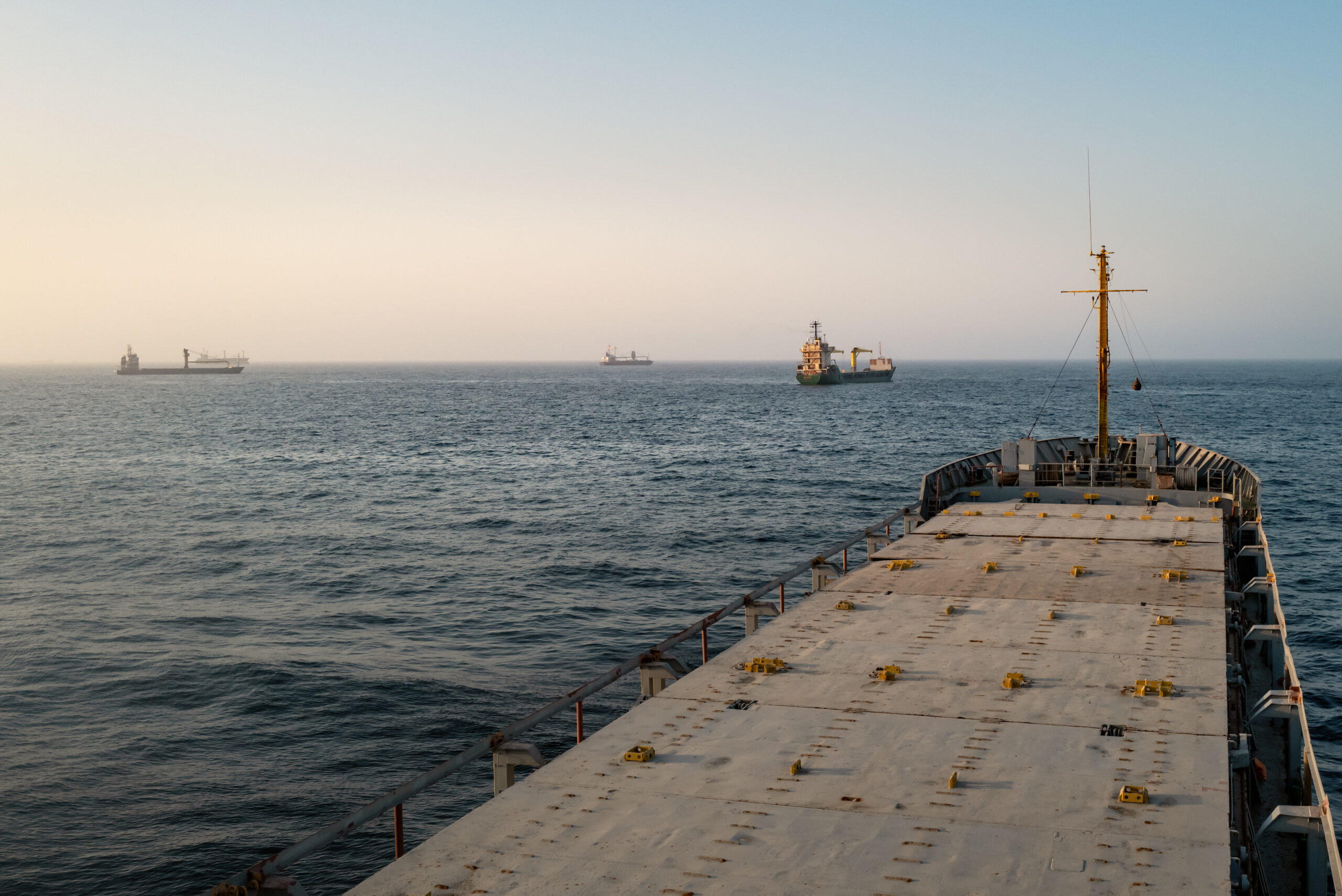
Global economic stability has also been impacted, according to the authors. The war has contributed to shocks in energy markets, supply chains, and trade routes, particularly those involving the Persian Gulf. Such disruptions affect oil prices and international commerce, with implications for consumers and businesses worldwide.
The war in Iran builds on longstanding tensions, including Iran's nuclear program, proxy conflicts in the region, and disputes with Israel and Gulf states. Stakeholders include regional powers, global energy consumers, and international organizations monitoring proliferation risks.
Affected populations encompass civilians in Iran and neighboring countries facing displacement and economic hardship.
Looking ahead, Betts and Biddle suggest that sustained involvement could lead to prolonged commitments. Potential next steps involve diplomatic efforts by the United Nations or major powers to de-escalate, alongside continued military assessments by involved nations. The analysis underscores the need for policymakers to weigh these factors in strategic planning.