Substrate
science

Ancient DNA Shows Origins of Bell Beaker People Who Replaced Stonehenge Builders

Analysis of ancient DNA from 112 individuals who lived between 8500 and 1700 BC in what is now the Netherlands, Belgium and western Germany has identified the genetic background of the Bell Beaker population that arrived in Britain around 2400 BC. The study indicates this group largely replaced the existing population in Britain within about a century.

New Scientist
1 source·May 12, 4:42 PM(17 days ago)·2m read
Ancient DNA Shows Origins of Bell Beaker People Who Replaced Stonehenge Buildersapp.buzzsumo.com
Audio version
Tap play to generate a narrated version.
Developing·Limited corroboration so far. This page will refresh as more sources emerge.

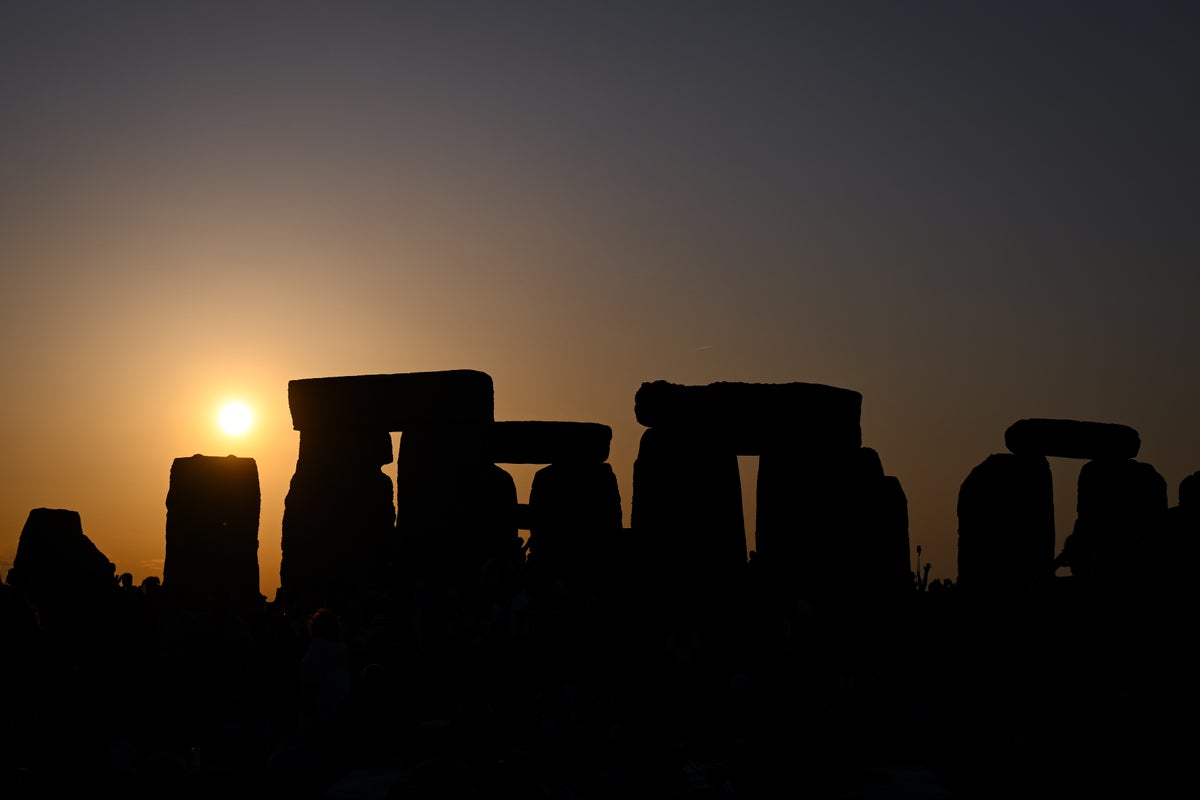
Analysis of ancient DNA has identified the origins of a group associated with the Bell Beaker culture that arrived in Britain around 2400 BC and largely replaced the Neolithic population that built Stonehenge within a century or less. The Bell Beaker culture emerged in western Europe during the early Bronze Age and is known for distinctive pottery shapes.

While the culture as a whole likely originated in Portugal or Spain, the specific population that moved into Britain came from the river deltas of north-western Europe, according to a study reported by New Scientist. Researchers examined the genomes of 112 people who lived between 8500 and 1700 BC in what is now the Netherlands, Belgium and western Germany.

The DNA showed that a hunter-gatherer population in the Rhine-Meuse delta wetlands maintained much of its genetic ancestry and lifestyle for thousands of years after Neolithic farmers from Anatolia spread across Europe starting around 6500 BC. The wetland environment of rivers, marshes, dunes and peat bogs proved difficult for early farming but supported a mixed subsistence based on fish, waterfowl, game and plants.

The study found that farmer genetic influence remained limited in this region for several thousand years. Y chromosomes in the wetland population stayed predominantly hunter-gatherer for about 1500 years after farmers arrived, while mitochondrial DNA indicated a gradual incorporation of women from farming communities.

The process appears to have been largely peaceful, though some element of force cannot be excluded. Over time the wetland groups adopted pottery, began growing some grain and raising animals while retaining core elements of their original way of life.


Around 3000 BC, groups with steppe ancestry moved into other parts of Europe and formed the Corded Ware culture, but they had limited genetic impact in the delta region.

By around 2500 BC the Bell Beaker culture had developed a genetic mix of steppe and farmer ancestry. When members of this group reached Britain around 2400 BC they carried a genetic profile that included 13 to 18 percent of the distinctive wetland hunter-gatherer and early-farmer combination.

Within roughly 100 years, at least 90 percent and possibly 100 percent of the previous Neolithic ancestry in Britain was replaced, the genetic models indicate. The rapidity of the change has been described by researchers as dramatic. The reasons for the scale and speed of replacement remain unclear.

One possibility raised in the study is the introduction of an infectious disease such as plague, to which continental populations may have had prior exposure. Cremation practices in Britain before the Bell Beaker period left little DNA for direct comparison.

Existing monuments including Stonehenge and Avebury continued to be used and in some cases expanded after the population change. The incoming group introduced metalworking to Britain and adopted some local monument styles while bringing new pottery and dress traditions.

The journal Nature published the study with DOI 10.1038/s41586-026-10111-8.

Key Facts

112 ancient genomes
sequenced from Netherlands, Belgium, western Germany
2400 BC
Bell Beaker population arrived in Britain
90-100 percent
replacement of prior British Neolithic ancestry
13-18 percent
hunter-gatherer-early-farmer ancestry retained
Rhine-Meuse delta
origin of population that entered Britain

Story Timeline

5 events
  1. 6500 BC

    Neolithic farmers from Anatolia began spreading across Europe.

    1 source@NewScientist
  2. 3000 BC

    Steppe herders began migrating westward into Europe.

    1 source@NewScientist
  3. 2500 BC

    Bell Beaker culture appeared in north-western Europe.

    1 source@NewScientist
  4. 2400 BC

    Bell Beaker-related population arrived in Britain.

    1 source@NewScientist
  5. 2026

    Ancient DNA study detailing these events was published in Nature.

    1 source@NewScientist

Potential Impact

  1. 01

    The study provides a detailed genetic picture of population movement from continental Europe into Britain during the early Bronze Age.

  2. 02

    Continued use of Stonehenge and Avebury after the population change indicates cultural adoption by the incoming group.

  3. 03

    Introduction of metalworking occurred alongside retention of some local monument traditions.

  4. 04

    Further ancient DNA research may clarify the role of disease in the observed population turnover.

Transparency Panel

Sources cross-referenced1
Confidence score75%
Synthesized bySubstrate AI
Word count480 words
PublishedMay 12, 2026, 4:42 PM
Bias signals removed2 across 2 outlets
Signal Breakdown
Framing 1Loaded 1

Related Stories

WHO Director Visits Congo as Ebola Outbreak SpreadsNpr
science4 hrs ago

WHO Director Visits Congo as Ebola Outbreak Spreads

The head of the World Health Organization arrived in Kinshasa to support efforts against a rare Ebola strain. Health workers face equipment shortages, community distrust, and armed conflict in affected provinces.

Npr
France 24
2 sources
FDA Panel Recommends XFG Variant for Fall Covid Shotsmedpagetoday.com
science2 hrs agoDeveloping

FDA Panel Recommends XFG Variant for Fall Covid Shots

Replimune will submit an application to the FDA for the third time. Pfizer and Innovent Biologics reached a collaboration agreement valued at up to $10.5 billion.

Stat
1 source
Benzinga Publishes Article on Biotech Stocks During Pandemic Recoveryfinance.yahoo.com
science6 hrs agoDeveloping

Benzinga Publishes Article on Biotech Stocks During Pandemic Recovery

Benzinga published an article titled 'Best Biotech Stocks Right Now' that addresses the sector's position during global recovery from the pandemic. The piece notes government institutions and professional traders are focusing on biotech companies for vaccine and booster developme…

Benzinga
1 source