Anthropic Launches AI and Rule of Law Team as It Prepares for IPO
Anthropic is forming a new research group focused on how artificial intelligence intersects with executive power, courts, and elections. The company is also preparing for a potential IPO while facing ongoing litigation with the Pentagon.
Anthropic is establishing a dedicated team to examine how artificial intelligence affects the rule of law and democratic institutions. Matthew Botvinick, a Resident Fellow at Yale Law School, will lead the group. He wrote on X that the team will study what AI means for executive power, courts, elections, and the public deliberation that constitutional democracy rests on.
The company confidentially filed an S-1 draft as it moves toward an IPO, Business Insider reported. A staff position on the AI and Rule of Law team pays between $295,000 and $345,000, according to the job posting. -level degree in political science or a similar field, or have extensive government experience at a leadership level.
The posting states that the ideal candidate understands the technical landscape well enough to reason about AI capabilities and risks, and understands democratic institutions well enough to see where those risks become structural threats. Anthropic wants the team to focus on four areas: AI safety evaluations with a legal alignment lens, institutional vulnerability analysis, novel legal issues in frontier AI, and applications that bolster democratic processes.
Some of those issues are already playing out.
A disagreement between Anthropic and the Pentagon over how the company trains Claude based on its internal constitution led to the Defense Department effectively blacklisting the company. Anthropic has challenged the blacklisting decision, and its litigation remains ongoing.
Emil Michael, the Pentagon R&D chief at the time, said he was concerned about how Anthropic trains Claude based on its internal constitution.
In March, Nippon Life Insurance sued OpenAI in federal court in Illinois. The insurer sought to hold OpenAI liable for a woman who repeatedly used ChatGPT to draft legal documents to try to reopen a settlement agreement. In May, OpenAI moved to dismiss the case, stating in its motion that ChatGPT is not a lawyer, and it does not practice law.
Transparency
Reported by a single outlet. This score reflects source tier and factual specificity — corroboration is limited with one source.
Story details
Related Stories
 nbcnews.com
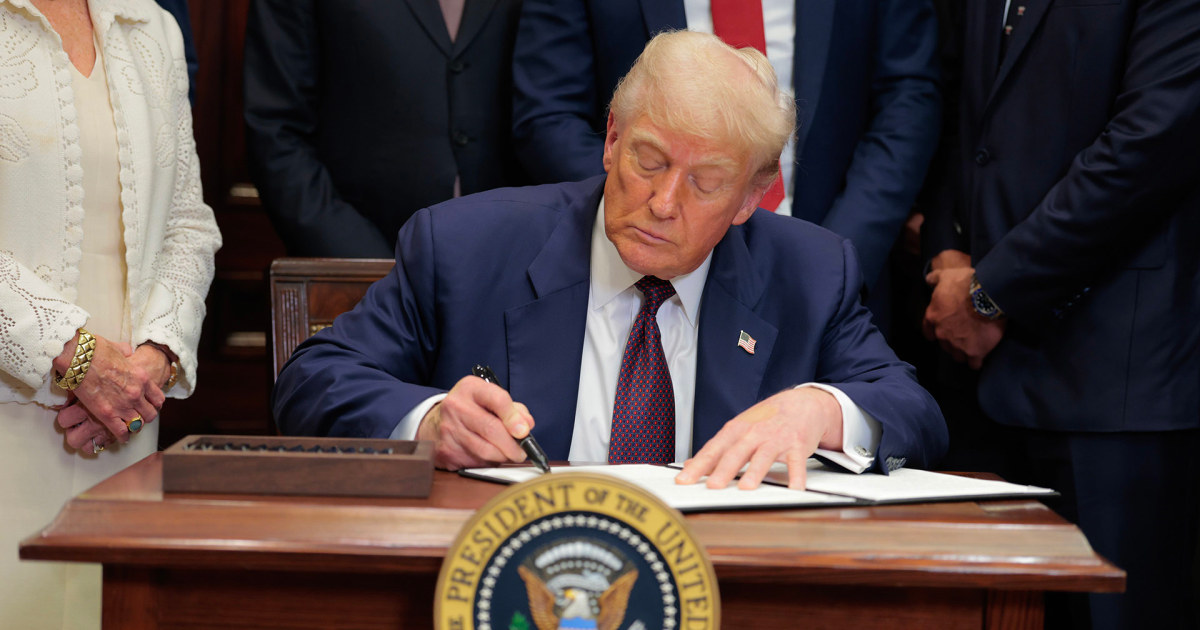
Trump Signs Executive Order for Voluntary AI Model Testing
President Trump signed an executive order creating a voluntary 30-day government testing process for AI models. OpenAI CEO Sam Altman will meet with White House officials and congressional leaders on Wednesday to discuss the policy.
 Cnbc
CnbcOpenAI CEO to Join G7 Leaders Summit on AI Safety
OpenAI chief executive Sam Altman will attend the G7 conference in France from June 15-17 after an invitation from President Emmanuel Macron. Discussions are expected to focus on youth safety and frontier AI risks.
 nbcnews.com
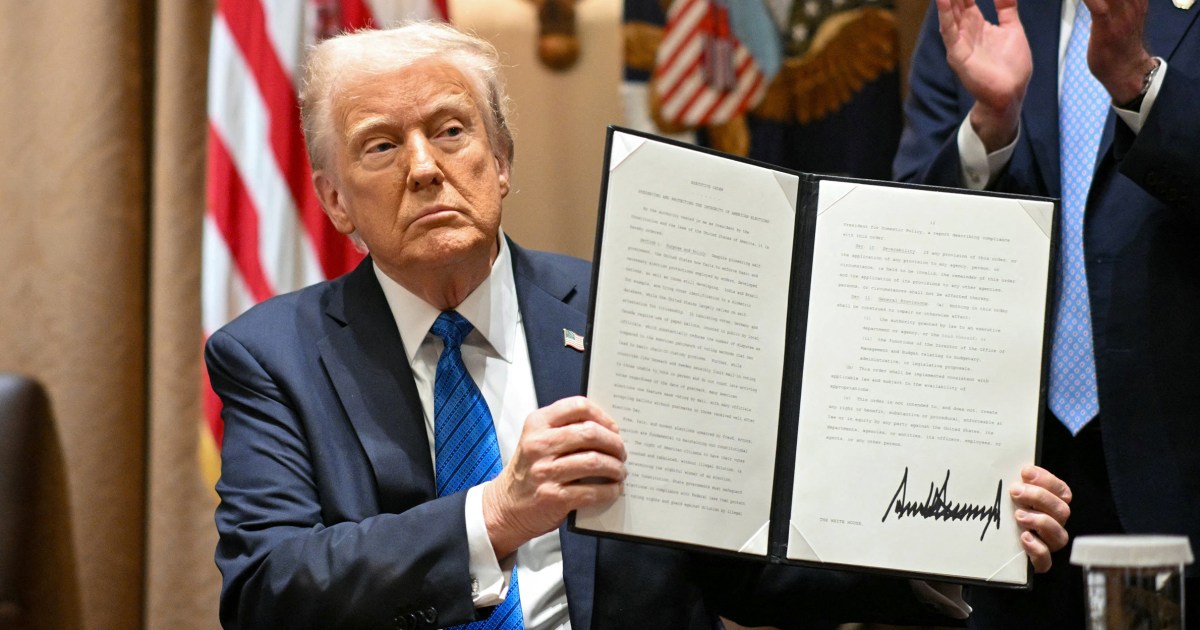
Trump Requires 30-Day Government Review of Advanced AI Models Before Public Release
President Trump signed an executive order on June 3, 2026, requiring companies to submit their most advanced AI models for government review 30 days before public release. The order is the first major AI regulation directive of his second term.