Anthropic's Claude AI Writes 80% of Its Own Code, Co-Founder Says 100% Possible in Two Years
Jack Clark said AI systems could reach full self-development within two years and urged governments to create regulatory controls before that point.
 nbcnews.com
Jack Clark, co-founder of Anthropic, told BBC Newsnight that the AI industry currently has only an accelerator and lacks any mechanism to slow or stop development. He said the sector needs the option to take its foot off the gas and put it on the brake. Clark stated that Anthropic's chatbot Claude already operates on code of which 80 percent the system wrote itself.
He added that reaching 100 percent AI-written code is possible within two years and would carry huge implications. Clark said people must retain control of AI systems through government policy. He called for new regulations that would give the public confidence in the technology, drawing a comparison to the regulatory framework that emerged around oil at the turn of the last century.
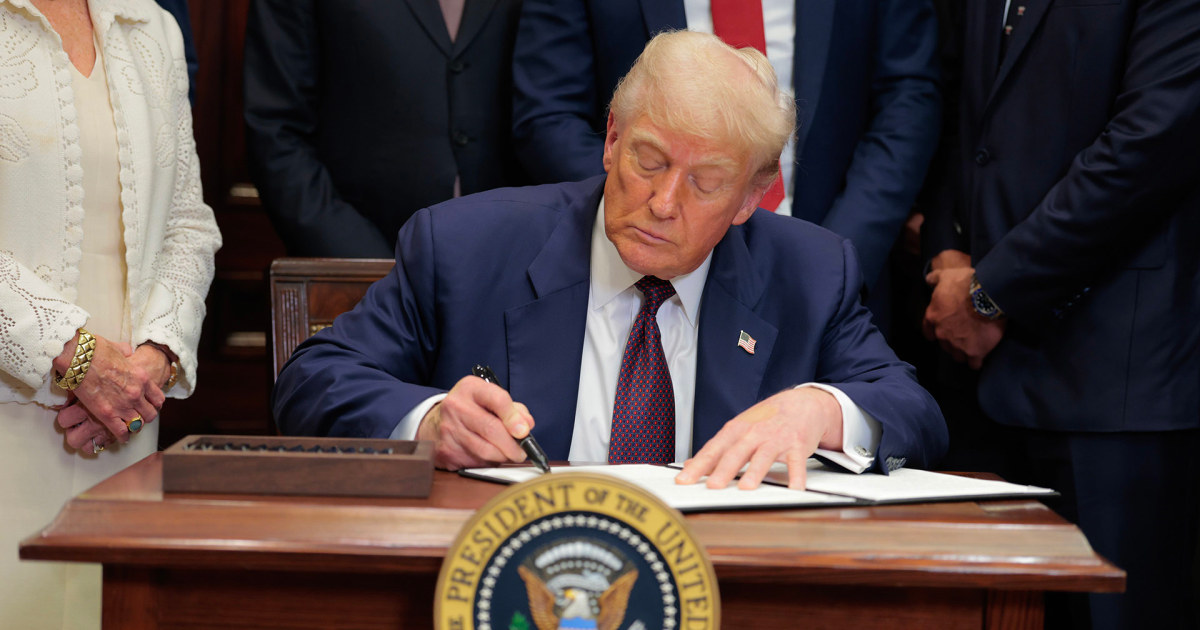
Anthropic welcomed an executive order on AI issued this week by President Donald Trump. The order did not require companies to submit to government safety testing, an effort that remains voluntary. Anthropic was founded five years ago by Clark and six other former OpenAI employees.
The company is preparing to debut on the public stock market with a valuation estimated by private investors at nearly $1 trillion. Clark said Anthropic's public discussion of AI capabilities aims to inform the world about developments inside the companies building the technology.
U.S. Department of Defense over concerns that its tools could be used for mass surveillance of Americans and autonomous warfare. Clark expressed worry for his children if society does not hold a serious conversation about the implications of continued AI advances. He identified economic disruption from autonomous AI agents that perform routine tasks as one risk.
Major tech companies have conducted mass layoffs over the last year, often citing AI tools. Clark said people who are more creative and generate better ideas may hold an advantage over current AI systems. He stated there is not yet evidence that AI systems can be truly creative.
At Anthropic, Clark said the firm is now limited more by the ability to generate good ideas than by the engineering required to implement them. Clark suggested young people concerned about AI's impact on employment should develop a hobby and pursue a liberal arts education. He said individuals who read widely and maintain broad interests stand to benefit most from the technology.
Transparency
Story details
Related Stories
 cnbc.com
OpenAI Offers U.S. Government Equity Stake in Public AI Wealth Fund
The White House and OpenAI have held talks for more than a year on a potential U.S. equity position. President Trump addressed the concept on Air Force One Friday.
Frontier AI Labs Report Rapid Capability Gains, AI-Written Code; Anthropic Calls for Coordinated Slowdown
Anthropic called for a slowdown or pause among labs developing the most advanced AI systems. The request appeared in a Thursday blog post from its research institute.
 Euronews
Small Phase 1 Safety Trial Tests First AI-Designed Coronavirus Vaccine Candidate
A Phase 1 safety study of an AI-designed protein vaccine against multiple coronaviruses enrolled 39 volunteers and reported no significant safety issues. A Phase 2 trial is now planned.