Unbiased AI-powered news
Arabic-language newspapers examined the implications of extending a ceasefire with Iran following the absence of Supreme Leader Ali Khamenei. Publications assessed how Iran's internal political fragmentation affects negotiations with the United States and the security of the Strait of Hormuz. Reports also covered discussions of a potential Lebanese-Israeli summit scheduled for May 17, 2026.
Arabic media outlets reviewed the extension of a ceasefire with Iran in light of the absence of Supreme Leader Ali Khamenei. Egyptian newspaper Al-Masry Al-Youm stated that assessing the ceasefire extension cannot be separated from understanding the consequences of Khamenei's absence, describing it as a structural test for Iran's system established in 1979.
The newspaper reported that uncertainty over his successor, who lacks comparable religious authority or political weight, adds to the complexity. It noted that the doctrine of Guardianship of the Islamic Jurist fused political authority with religious legitimacy, and its disruption creates a reconfiguration of power rather than a simple transition.
According to the report, Iran historically relied on a supreme authority to balance the Revolutionary Guard, elected bodies and clerical institutions. The erosion of that role has produced competing centers of power, weakening cohesion and increasing strategic unpredictability.
The Revolutionary Guard has emerged as the most capable actor to fill the gap but its rise risks incoherent strategy, particularly in negotiations that may lack a full sovereign mandate. The decline of mediating figures such as former Parliament speaker Ali Larijani has removed mechanisms that once absorbed tensions within decision structures.
This internal fragmentation shapes foreign policy, turning negotiations with Washington into extensions of incomplete domestic decision-making. Such dynamics complicate implementation of any agreement, especially given U.S. demands regarding enrichment, missile programs and strategic assets.
The tension is most evident in the Strait of Hormuz, where Iranian threats to navigation intersect with U.S. efforts to restrict Tehran's oil revenues. Navigation through the strait has nearly halted since the outbreak of war on February 28. The waterway carries roughly 30 percent of global oil exports, 20 percent of liquefied natural gas, and significant shares of fertilizers and petrochemicals.
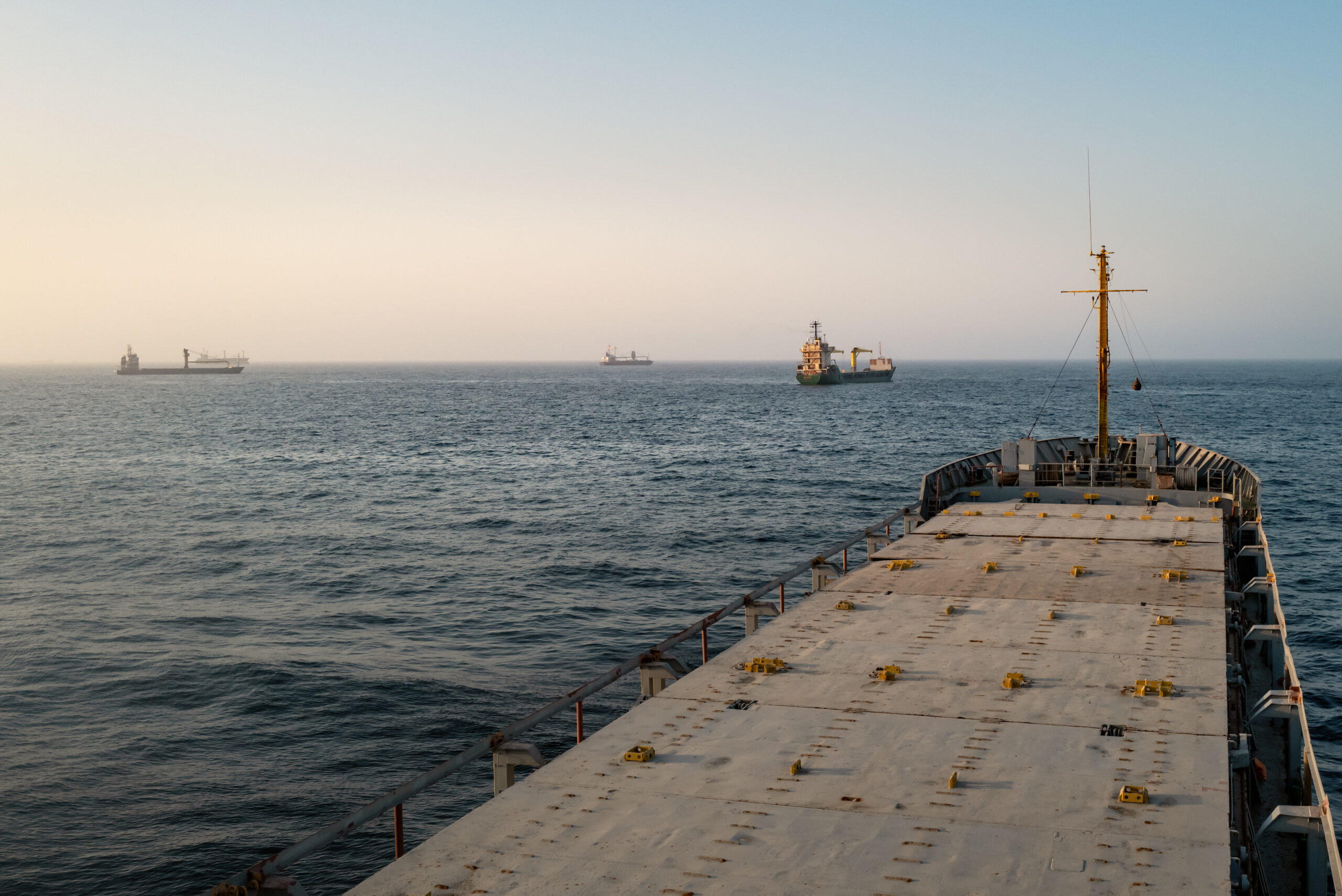
In 2025, some 30,000 vessels crossed the strait, carrying over $600 billion in energy exports. Prolonged closure could result in global losses beyond $8 trillion annually, according to Asharq Al-Awsat. The newspaper reported that public disputes between the Revolutionary Guard and civilian officials highlight internal fragmentation intensified by the war.
It added that Trump's extension of a temporary ceasefire was intended to allow Tehran time to unify its stance but was undermined by Iranian attacks on commercial vessels and continued rejection of reopening the strait under U.S. naval pressure. Reopening the strait rather than achieving comprehensive peace appears the maximum realistic outcome, one outlet stated.
Affected states are urged to pursue coordinated international action through maritime law rather than allowing the passage to remain linked to bilateral negotiations marked by divisions.
Lebanese newspaper Nida Al Watan reported that Israel has revived discussion of a summit in May in Washington involving Prime Minister Benjamin Netanyahu and Lebanese President Joseph Aoun under U.S. President Donald Trump's sponsorship. Trump expressed hope the meeting would occur during the current three-week ceasefire extension, pointing to a possible date of May 17.
That date recalls the 1983 Lebanon-Israel agreement that collapsed under regional pressure. Reports suggest Netanyahu could travel to Washington within weeks if the security situation allows. Israel continues to advance plans for a buffer zone in southern Lebanon.
The newspaper noted that since October 7, 2023, political and military accountability has remained absent in Israel. It reported that Netanyahu has resisted an independent commission of inquiry while consolidating a far-right coalition and advancing a doctrine of preemptive action.
All roads lead back to Washington where the Iranian file oscillates between escalation and negotiation, with Hezbollah positioned as a potential lever, the report stated. UK-based Asharq Al-Awsat called for a UN Security Council resolution to neutralize the strait, though such efforts have been blocked by Russia and China.
Single source — no framing comparison available.
insurancejournal.comPreliminary data show every vessel that transited the waterway on July 12 did so without active tracking signals. Dark crossings have outnumbered observable passages in recent days as attacks reshape routes.
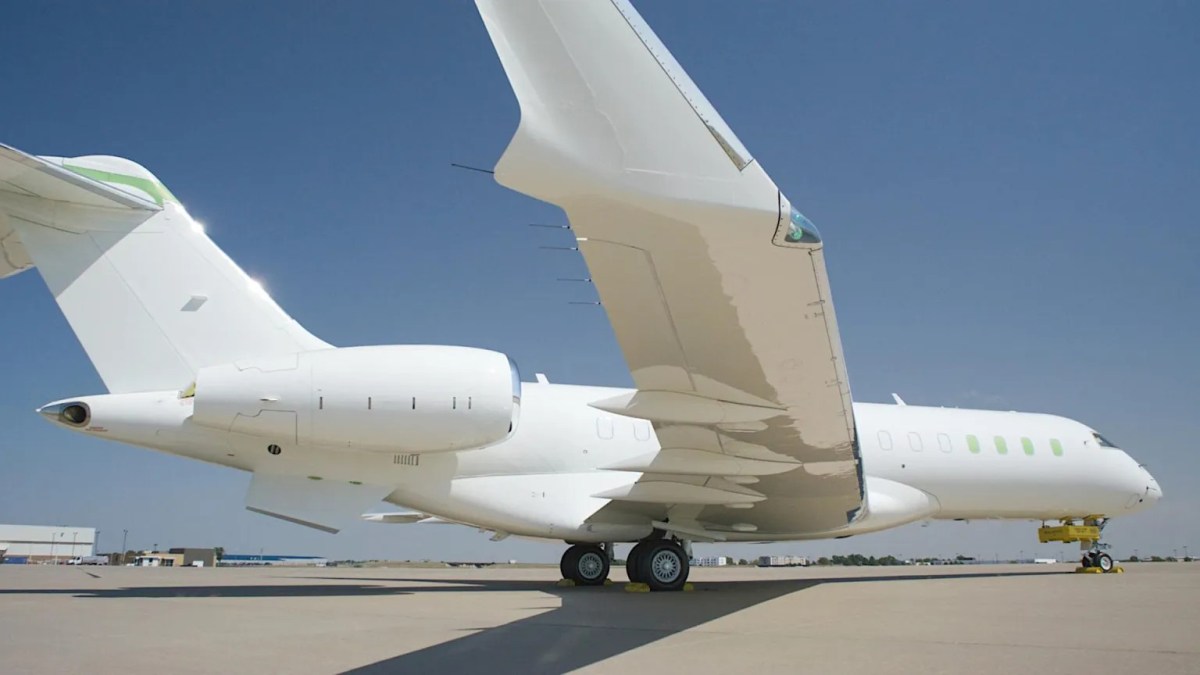
The War ZoneThe U.S. Army will station its ME-11B HADES aircraft and form a new unmanned aircraft system battalion at Fort Hood, Texas. The moves consolidate aerial intelligence units previously spread across multiple bases.
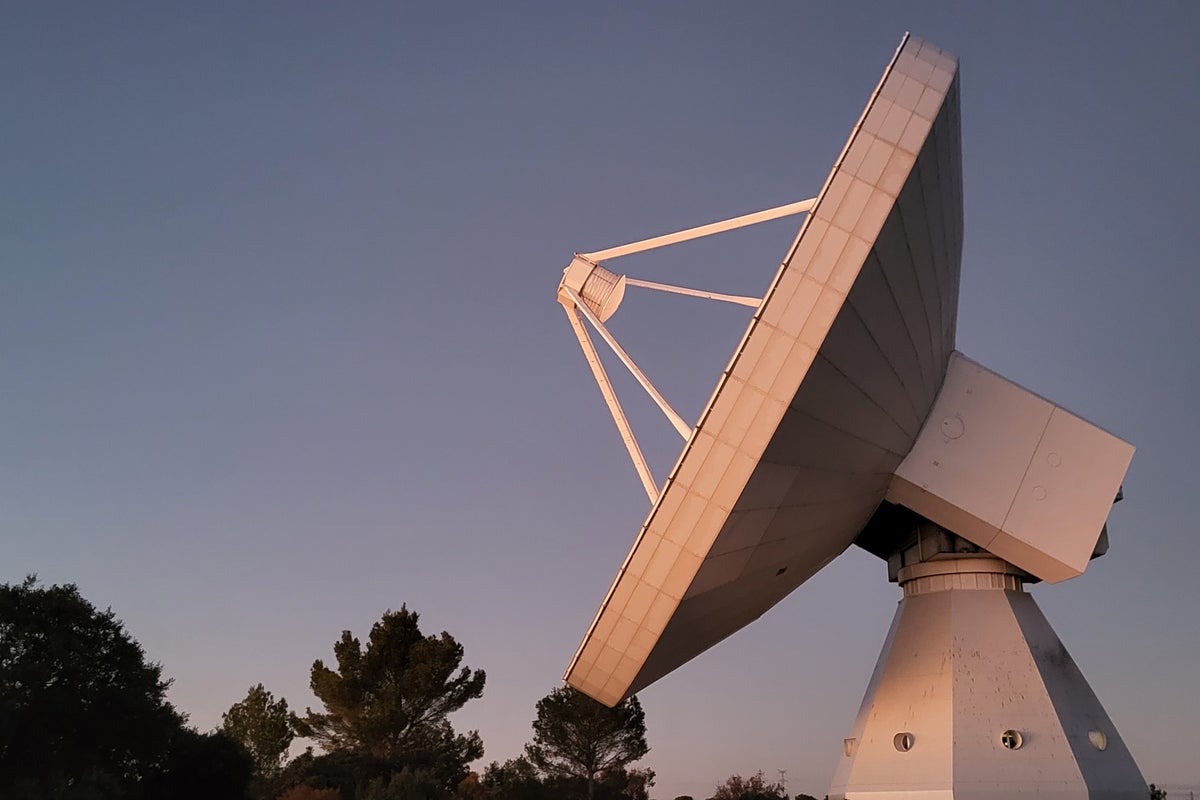
The IndependentResearchers identified the four-carbon sugar erythrulose in gas cloud G+0.693-0.027 using two Spanish radio telescopes. The finding adds to evidence that complex organic molecules form in interstellar space before stars and planets.