Substrate
world

Archaeologists Unearth Statue Fragment Linked to Ramesses II in Egypt

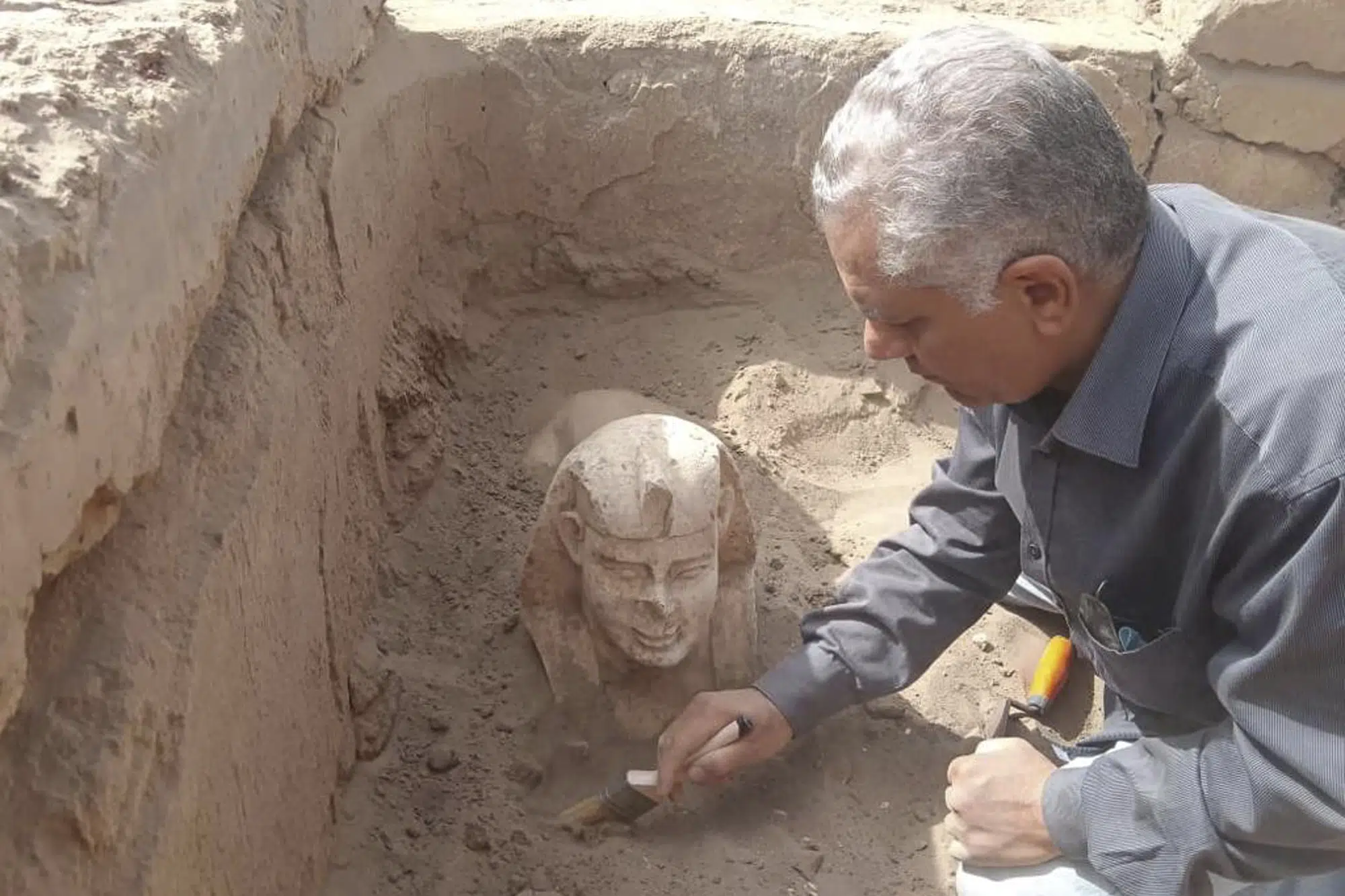
Archaeologists in Egypt have discovered a statue fragment believed to represent Ramesses II, a pharaoh some experts associate with the biblical story of Moses. The find occurred at Tel Faraoun in the eastern Nile Delta. The artifact dates to the New Kingdom era and may connect to historical sites mentioned in ancient texts.

GB News
1 source·Apr 24, 2:47 AM(35 days ago)·1m read
Archaeologists Unearth Statue Fragment Linked to Ramesses II in EgyptSubstrate placeholder — needs review
Audio version
Tap play to generate a narrated version.
Developing·Limited corroboration so far. This page will refresh as more sources emerge.

Archaeologists in Egypt have unearthed a fragment of an ancient statue believed to represent Ramesses II, a pharaoh that many experts link to the unnamed ruler in the biblical account of Moses in the Book of Exodus. The discovery took place at Tel Faraoun in the eastern Nile Delta, located northwest of the Red Sea.

Excavations at the site are being led by Egypt's Supreme Council of Antiquities. The statue fragment consists of the legs and base, measuring approximately seven feet in height and weighing between five and six tonnes. Despite signs of wear, researchers have identified details associating it with royal artwork from Egypt's New Kingdom period, which lasted from about 1550 to 1070 BC.

Initial assessments indicate the statue was not originally created for the location where it was found.

suggest the statue may have originated from Pi-Ramesses, a royal capital built by Ramesses II in the Nile Delta. It was likely later moved to Tel Faraoun, known anciently as Emet, and possibly reused in a temple complex. Ramesses II ruled from 1279 to 1213 BC, commanding an army of around 100,000 soldiers and noted for military achievements.

Scholars often associate Ramesses II with the pharaoh in Exodus due to references in the text to Hebrew slaves building the city of Raamses, identified as Pi-Ramesses, constructed in the 13th century BC. The discovery site is in the same eastern Nile Delta region as this ancient city.

However, historians note that no direct archaeological evidence identifies the Exodus pharaoh, and the biblical account does not name a specific ruler.
2024, archaeologists found an ancient bronze sword marked with Ramesses II's cartouches at Tell Al-Abqain, a military fort south of Alexandria. The sword, estimated to be about 3,000 years old, is thought to have belonged to a high-ranking soldier rather than the pharaoh.

Key Facts

Statue fragment
7 feet tall, 5-6 tonnes, linked to Ramesses II
Discovery site
Tel Faraoun in eastern Nile Delta
Historical link
Possible connection to biblical Exodus pharaoh
Related find
2024 bronze sword with Ramesses II markings
Ramesses II reign
1279-1213 BC with 100,000-soldier army

Story Timeline

4 events
  1. Recent

    Archaeologists unearthed a statue fragment believed to represent Ramesses II at Tel Faraoun in Egypt's eastern Nile Delta.

    1 sourceGB News
  2. 2024

    Archaeologists discovered a bronze sword with Ramesses II's markings at Tell Al-Abqain military fort south of Alexandria.

    1 sourceGB News
  3. 1279-1213 BC

    Ramesses II reigned as pharaoh, building the city of Pi-Ramesses in the Nile Delta.

    1 sourceGB News
  4. 1550-1070 BC

    Egypt's New Kingdom era occurred, during which the statue is believed to have been created.

    1 sourceGB News

Potential Impact

  1. 01

    The discovery may prompt further excavations in the Nile Delta to explore links between ancient Egyptian sites and biblical narratives.

  2. 02

    Additional research funding for Egypt's Supreme Council of Antiquities may result from the find's publicity.

  3. 03

    Scholars could reassess historical candidates for the Exodus pharaoh based on the statue's origins from Pi-Ramesses.

  4. 04

    Tourism to Tel Faraoun might increase due to interest in the artifact's potential biblical connections.

Transparency Panel

Sources cross-referenced1
Framing risk0/100 (low)
Confidence score65%
Synthesized bySubstrate AI
Word count313 words
PublishedApr 24, 2026, 2:47 AM
Bias signals removed2 across 1 outlet
Signal Breakdown
Amplifying 1Speculative 1

Related Stories

WHO Chief Visits DRC as Ebola Death Rate Reaches 30-50%The Guardian
world24 min ago

WHO Chief Visits DRC as Ebola Death Rate Reaches 30-50%

World Health Organization director-general Tedros Adhanom Ghebreyesus arrived in the Democratic Republic of the Congo to support containment of a new Ebola outbreak. The agency revised the death rate to 30-50% based on confirmed cases and recorded 10 confirmed and 223 suspected d…

SK
The Guardian
2 sources
Greek National Charged in UK With Aiding Iran-Linked Intelligence Servicewesternjournal.com
world24 min ago

Greek National Charged in UK With Aiding Iran-Linked Intelligence Service

A 46-year-old Greek man living in Germany was charged under the UK National Security Act with assisting an intelligence service believed to be Iran by targeting a journalist at Iran International.

Reuters
BBC News
2 sources
Journalists in Gaza to Receive 2026 Golden Pen of Freedom Awardstraitstimes.com
world2 hrs ago

Journalists in Gaza to Receive 2026 Golden Pen of Freedom Award

Three international news agencies will accept the award on behalf of their local staff still reporting from the territory. The World Association of News Publishers cited the journalists' continued coverage under extreme conditions.

Al-Monitor
AF
2 sources