world
Argentine Team Traps Rodents Near Ushuaia to Trace Cruise Hantavirus Source
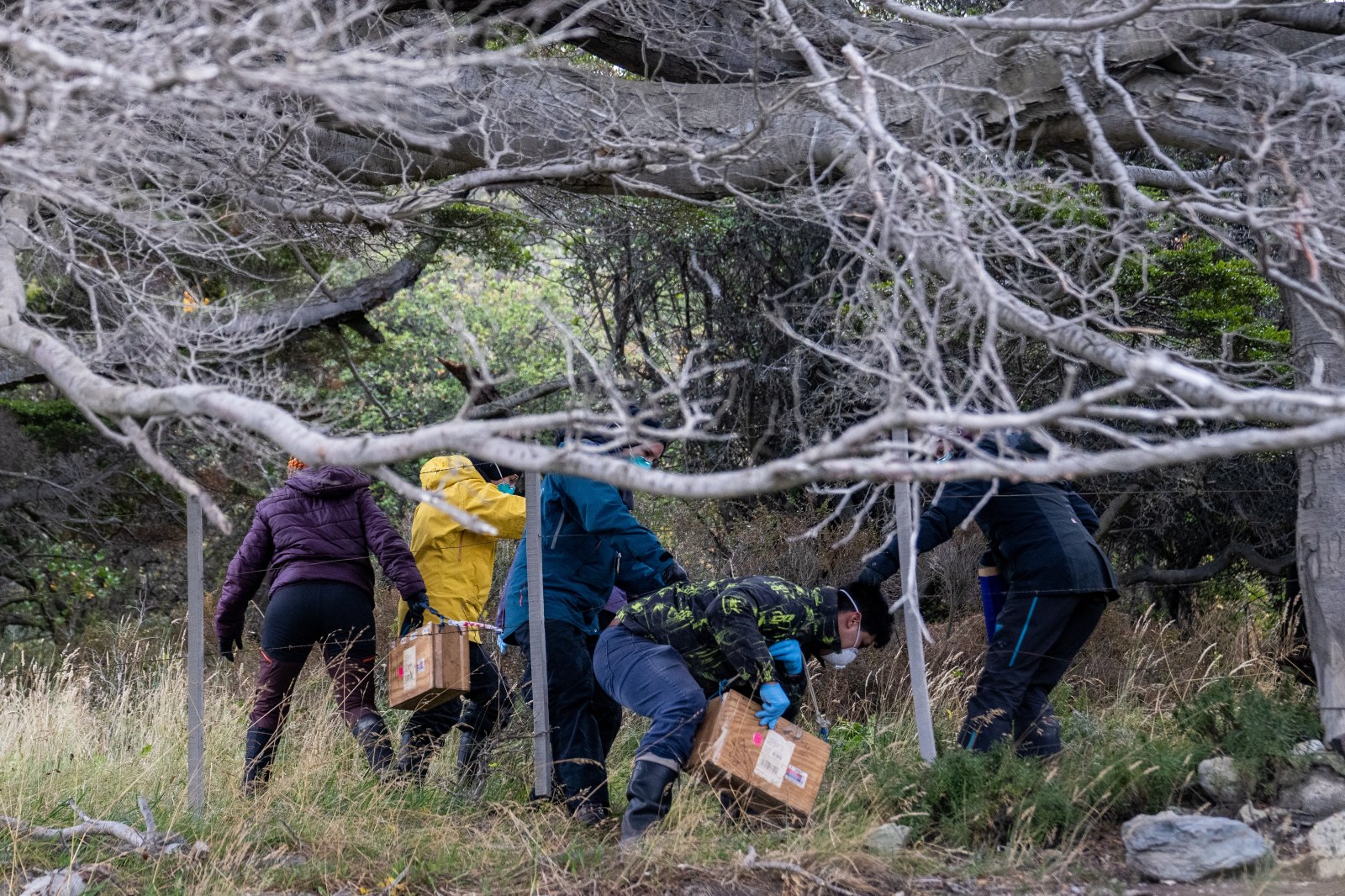
Investigators from Argentina’s Malbrán Institute set rodent traps in forests around Ushuaia on Tuesday as part of efforts to identify the origin of a hantavirus outbreak on the MV Hondius cruise ship last month.
May 23, 2:13 PM·1m read1 source
AB
 winnipegfreepress.com
Audio version
Tap play to generate a narrated version.
Argentine investigators placed 150 box traps in forests surrounding Ushuaia on Tuesday to test for hantavirus in an area previously considered unaffected by the virus. Wearing blue gloves and masks, the team checked the traps, collected dead rodents, and transported them to a temporary laboratory for blood sampling.
The samples will be sent to the Malbrán Institute in Buenos Aires for testing that could take up to one month.
The MV Hondius outbreak killed three passengers and sickened others after the ship departed Ushuaia on April 1. A Dutch couple who spent several days bird-watching in the city before boarding later died from the infection. Provincial health officials in Tierra del Fuego have rejected an initial national hypothesis that the couple contracted the virus at a local landfill.
They note that the long-tailed pygmy rice rat, the primary carrier of the Andes virus strain, is not known to inhabit Tierra del Fuego.
Martín Alfaro, spokesperson for the Tierra del Fuego health ministry, said the team captured the expected number of rodents and that the province had never conducted this type of testing before. The fieldwork will continue for three days. Officials said the effort also aims to determine whether hantavirus is present in Ushuaia amid changing climate conditions.
Health authorities stated they welcome data that could clarify whether transmission occurred locally or elsewhere during the Dutch couple’s earlier travels.