Arizona, California and Nevada Propose Two-Year Colorado River Water Cuts
The three states announced a plan to conserve up to 1 million acre-feet of water through 2028 to stabilize reservoirs after the driest winter on record. The proposal adds to existing cuts, bringing total savings to 3.2 million acre-feet. The agreement requires federal and state approval and comes as broader negotiations among seven states have stalled.
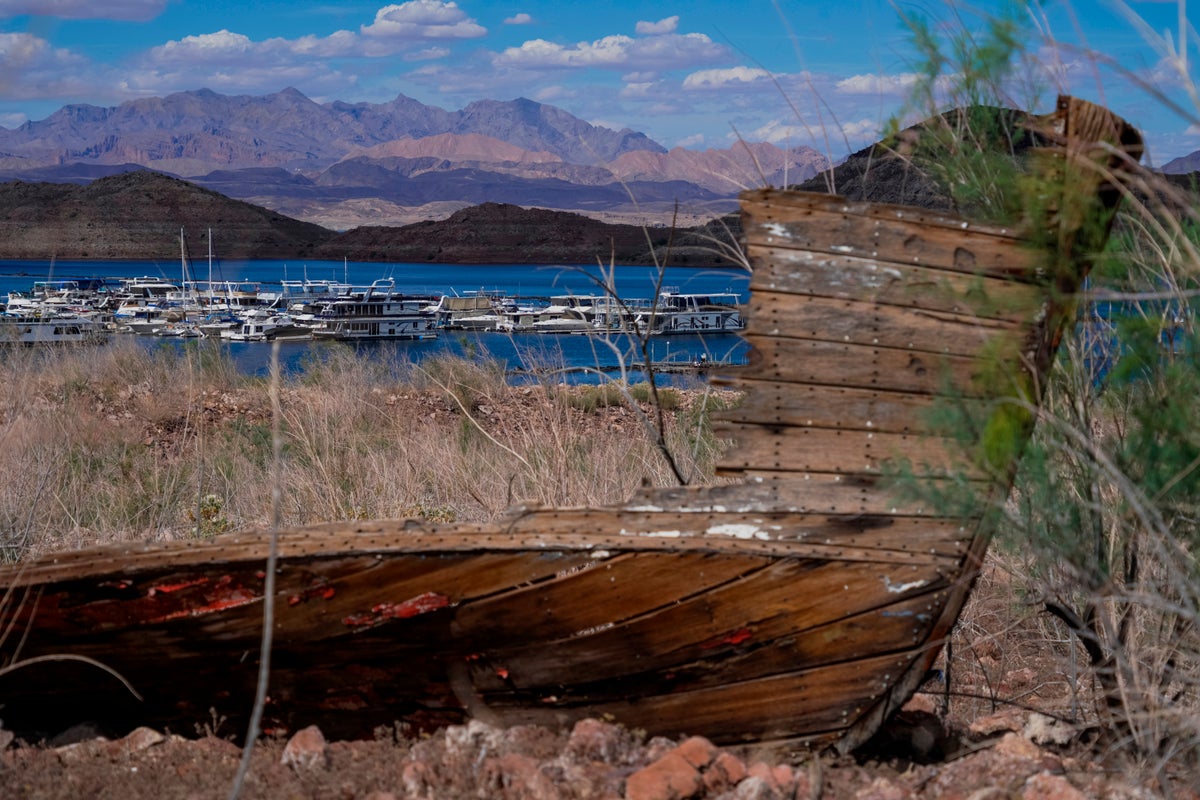
The IndependentArizona, California and Nevada announced a two-year agreement this month to conserve up to 1 million acre-feet of Colorado River water through 2028. The plan follows the driest winter on record and aims to stabilize major reservoirs. Officials described the deal as a short-term measure while longer-term negotiations remain stalled.
The additional savings would bring the total proposed reductions by the three states and Mexico to 3.2 million acre-feet, equivalent to the annual water needs of more than 25 million people. The U.S. Bureau of Reclamation has already said it will release more water and earlier than usual into Lake Powell to maintain hydropower operations at Glen Canyon Dam.
That facility supplies electricity to more than 350,000 homes. The proposal needs approval from federal officials and state lawmakers. The three states called the plan ambitious and said it would benefit the entire river basin. The Colorado River supports 40 million people across seven U.S. states, two Mexican states and Native American tribes, as well as farmers irrigating millions of acres and 155 utilities that rely on it for hydropower.
Rules governing the water-sharing agreement expire this year. Substantive talks among the states broke down four months ago. Upper Basin states Utah, Colorado, Wyoming and New Mexico have suggested a mediator is needed, while the Bureau of Reclamation is preparing a contingency plan if no consensus is reached.
Nevada and Arizona would reduce their annual water entitlements from Lake Mead by about one-third under the proposal. California, which holds the largest and most senior water rights, would cut its use by about 13 percent. Details on how the reductions would be implemented are expected by August.

The Central Arizona Project delivers much of Arizona's share through a 336-mile canal system serving 6 million people. Farmers, cities, tribes and industry could face effects. Most of the river's water is used by agriculture, including the Imperial Irrigation District, the largest single user, which grows much of the nation's winter vegetables.
The Metropolitan Water District of Southern California, which supplies 19 million people, relies on the river for about 20 percent of its supply. Officials said reducing reliance on the Colorado River would help avoid worse outcomes, though higher water bills for residents and businesses remain possible.
Farmers might leave fields fallow or switch to less water-intensive crops. The plan depends on state and federal funding. One environmental advocate described the pledge as a potential catalyst for further collaboration. Reclamation officials are reviewing the proposal while continuing to seek a broader agreement among all seven states.
Key Facts
Story Timeline
4 events- May 2026
Arizona, California and Nevada announced a two-year water conservation plan.
1 sourceThe Independent - 2026 winter
The driest winter on record prompted urgent state action.
1 sourceThe Independent - Early 2026
Substantive negotiations among seven states broke down four months ago.
1 sourceThe Independent - 2026
Rules governing the water-sharing agreement are set to expire.
1 sourceThe Independent
Potential Impact
- 01
Hydropower generation at Glen Canyon Dam is supported by early water releases.
- 02
Farmers in Arizona and California may leave fields fallow or change crops.
- 03
Residents served by the Metropolitan Water District could face higher water bills.
- 04
The proposal may prompt renewed negotiations among the seven basin states.
Transparency Panel
Related Stories
indianexpress.comWHO Issues First Global Guideline on Infertility Prevention and Treatment
The World Health Organization released its first global guideline calling on countries to improve fertility care by making it safer, fairer and more affordable. Infertility affects an estimated 1 in 6 people of reproductive age. The recommendations cover prevention, diagnosis and…
Nbc NewsHiker Found Dead From Suspected Bear Attack in Glacier National Park
Search crews discovered the body of a missing 33-year-old Florida man about 50 feet off the Mt. Brown Trail in Glacier National Park on Wednesday. Park officials said his injuries were consistent with a bear encounter. The last fatal bear attack in the park occurred in 1998.
Substrate placeholder — needs reviewPentagon Releases UFO Documents as Trump Urges Public Review
The Pentagon released UFO documents on Friday. President Trump said the public should "have fun" deciding for itself what the materials show. CBS News reported the release and Trump's statement.