world
Army Launches Low-Cost Interceptor Program to Counter Drone Threat
The U.S. Army started its low-cost interceptor program to address high consumption of expensive air-defense missiles against low-end drone threats. Analysts said the effort aligns with current combat needs but noted production and budget hurdles ahead.
Jul 9, 8:30 AM·1m read2 sources
BR
Pragmatic shiftHurdles ahead
 Breaking Defense
Audio version
Tap play to generate a narrated version.
Developing·Limited corroboration so far. This page will refresh as more sources emerge.
The U.S. Army launched its low-cost interceptor program two weeks ago to reduce reliance on multimillion-dollar missiles against inexpensive drones. Stacie Pettyjohn, director of the defense program at the Center for a New American Security, called the approach really sensible.
She said the existing threat consists of low-end systems and that the military needs more cheaper missiles rather than focusing only on high-end threats. Pettyjohn noted the high burn rate of PAC-3 Missile Segment Enhancers and the Navy’s SM-3 and SM-6 missiles used against Iranian-made Shahed drones.
John Ferrari, a senior fellow at the American Enterprise Institute and former two-star Army general, said he wished the Army had started the program five years ago.
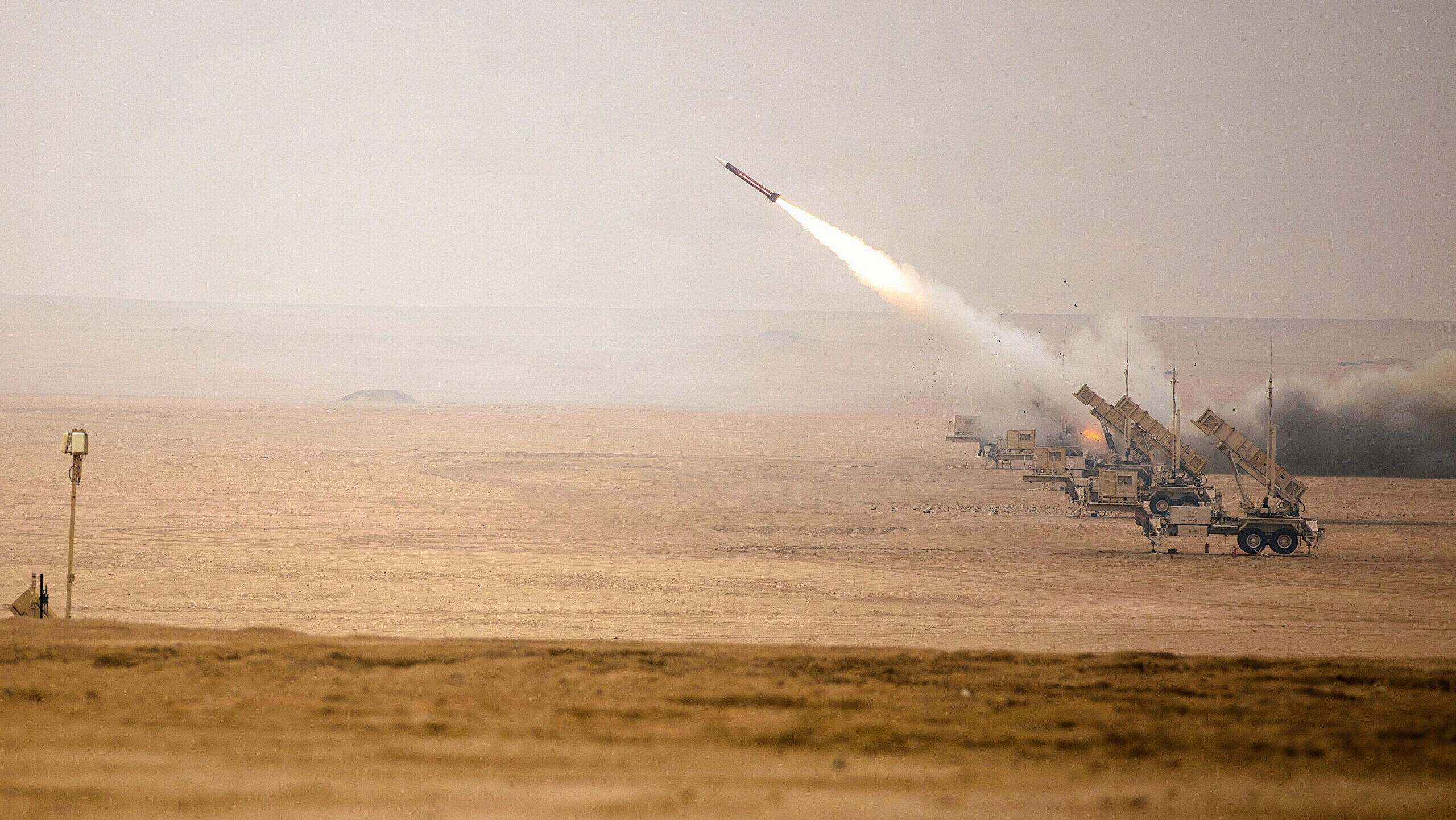
He added that production in mass quantities is possible by partnering with new vendors and venture capital-backed firms that use commercial practices and facilities instead of specialized defense factories. U.S. forces conducted a live-fire exercise with Patriot missiles during exercise Sky Shield at the Udari Range Complex in Kuwait on December 9, 2025.
Transparency
How sources framed this
BR
Pragmatic cost-effective shiftProduction and standards hurdles
BR
Pragmatic shiftHurdles ahead
CorroborationLimited · 2 sources