Army Leaders at Pacific Symposium Discuss Drone Use and Future Technologies
U.S. Army Pacific commanders described current drone operations and emphasized the need to prepare for the next generation of military capabilities. The remarks came during the Association of the U.S. Army's Land Forces Pacific symposium in Waikiki, Hawaii.
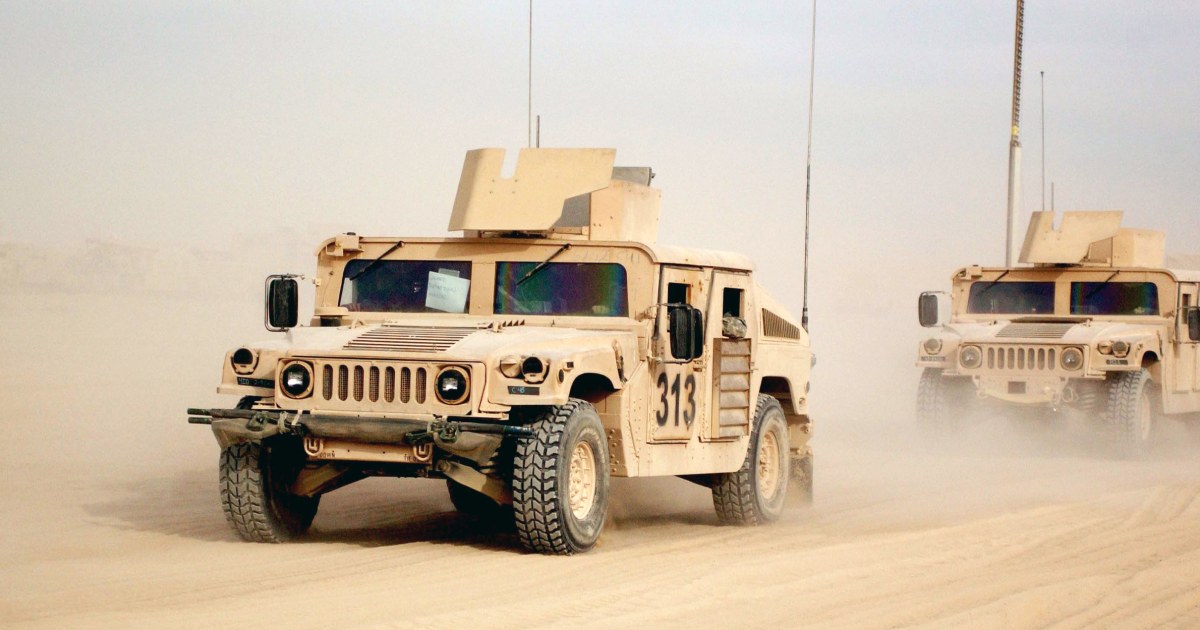 nbcnews.com
U.S. Army Pacific forces are integrating uncrewed systems into daily operations across the Indo-Pacific region. Last week, the 25th Infantry Division used uncrewed vehicles, vessels, and aircraft during a simulated battle on a Philippine beach. This week, two drones flew above the USARPAC commander during his keynote address at the symposium.
Gen. Ron Clark said the Kestrel quadcopter was built by soldiers at The Forge and can be adapted for munitions delivery or one-way attack missions. He also referenced a Skydio X10 used for short-range reconnaissance. Clark stated that soldiers should not be sent into combat when an unmanned system can perform the task.
Drone Defense Measures Lt. Gen.
Matthew McFarlane said passive defense measures are essential as drone use expands. These include placing command posts underground and covering them to reduce aerial detection. McFarlane noted that forces must protect against the air threats observed in current conflicts.
Adm. Samuel Paparo described the spread of small, inexpensive unmanned systems as one of three major trends reshaping warfare. He said this commoditization has expanded access to capabilities once limited to major powers and has increased the cost of traditional ground, air, and amphibious assaults.
Planning for Future Capabilities Gen.
U.S. military must look beyond current drone technology. He warned against focusing solely on drones and urged consideration of commercial space systems as the next offset. Brunson stated that warfare requires continuous adaptation and that remaining fixed on any single technology would leave forces unprepared.
Transparency
Reported by a single outlet. This score reflects source tier and factual specificity — corroboration is limited with one source.
Story details
Related Stories
 feeds.bbci.co.uk
Iranian Strikes Hit Kuwait Territory, Prompting Condemnations
Kuwait and Saudi Arabia condemned recent Iranian strikes on Kuwaiti territory. The attacks targeted a site officials linked to prior incidents on Sirik Island.
 jpost.com
Germany Seeks Faster Military Buildup After U.S. Troop Withdrawal Order
German Chancellor Friedrich Merz criticized U.S. policy on the Iran war last month. President Trump responded by ordering the withdrawal of 5,000 troops from Germany and canceling a planned missile deployment. Berlin is now accelerating recruitment and seeking long-range strike s…
 riotimesonline.com
Japan Announces Arms Export Policy Shift at Singapore Conference
Japan's defense minister rejected Chinese allegations of militarism and outlined plans to expand arms exports to regional partners during the Shangri-La Dialogue.