Arson and Clashes in Kauda, South Kordofan Kill at Least 61 and Destroy Market and Settlements Amid SPLM-N Mutiny Suppression
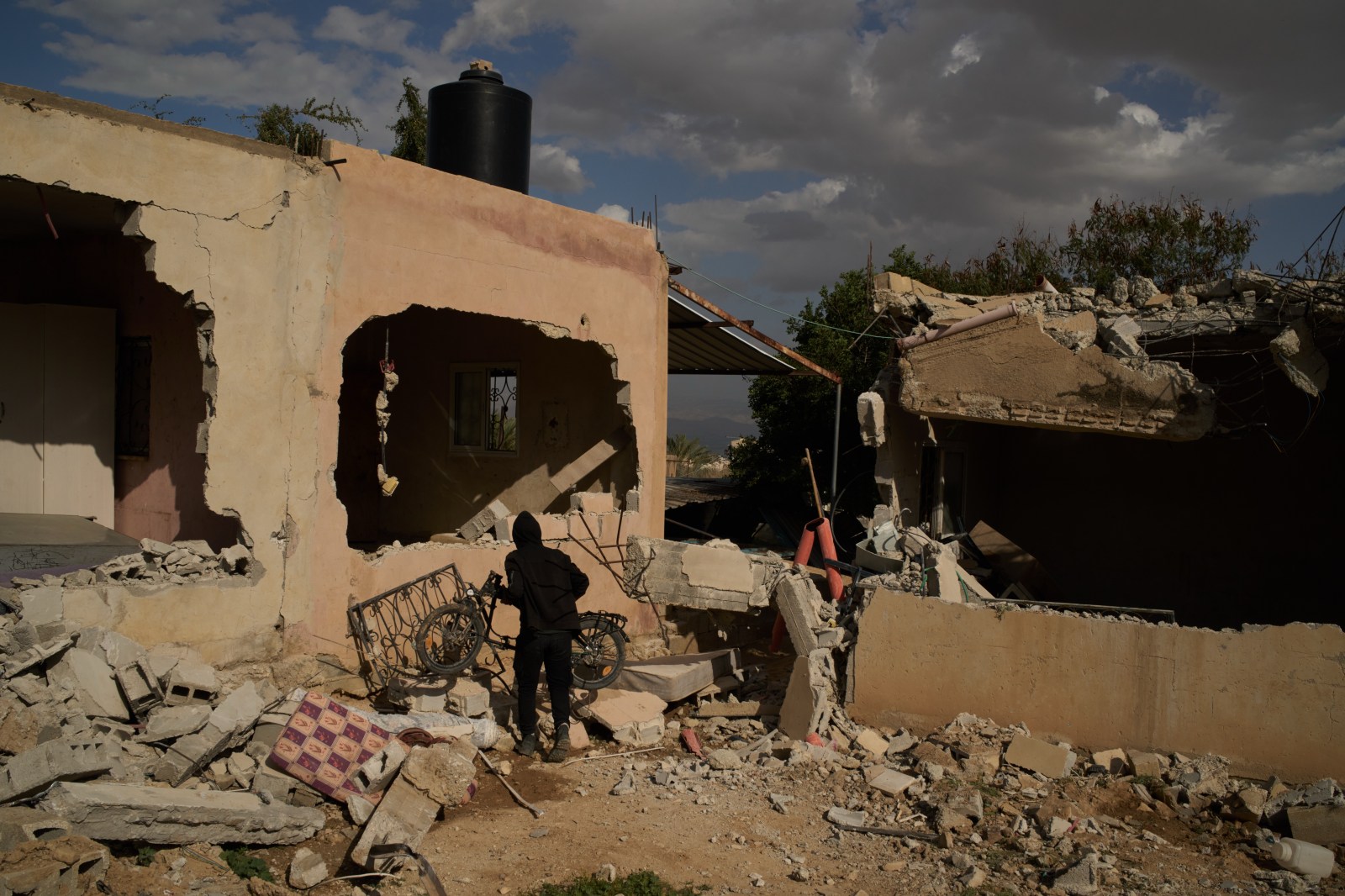
Satellite imagery and open-source evidence show a two-week arson campaign from 2 to 16 May 2026 destroyed Kauda's central market and surrounding rural settlements in South Kordofan State, Sudan.
 france24.com
An arson campaign from 2 May 2026 to 16 May 2026 burned Kauda's central market and five surrounding rural settlements in South Kordofan State, Sudan. AllAfrica reported that a joint investigation by the Centre for Information Resilience and Sudan Witness mapped the destruction using NASA heat data, social media footage, and satellite imagery from Planet and Copernicus.
5 kilometres west of Kauda airport between 2 May and 10 May.
By 13 May, filmed footage showed buildings in Kauda's central market in flames. 5 kilometres east of the town of Lwere.
The Centre for Information Resilience stated that the geographical spread and temporal progression of the fires proved it was a sustained two-week campaign rather than a localised accident. Violence in Kauda last month killed at least 61 civilians, including women and children, according to the Sudan Doctors Network.
The 61 civilians were targeted during clashes between the SPLM-N, led by Abdel Aziz al-Hilu, and the Ottoro tribe.
On 8 May 2026, the SPLM-N acknowledged in a statement that it had launched attacks in the Ottoro area to quell a localised mutiny. The mutiny was linked to longstanding land disputes and border demarcation issues. Part of these disputes concerned the Ottoro's refusal to allow the SPLM-N-allied Rapid Support Forces to mine in their area, local and international reports said.
A displaced resident stated on social media: "Residents were entirely cut off from food and water. People with disabilities and the sick were left behind in their houses... " The violence originally flared from an escalation of intercommunal tensions between the local Ottoro and Shwaya Nuba subgroups in March 2026, according to SPLM-N Secretary-General Ammar Amoun Daldoum.