Artemis II Astronauts Complete Lunar Flyby and Prepare for Solar Eclipse Observation
NASA's Artemis II mission crew, consisting of three Americans and one Canadian, completed a lunar flyby on Monday, reaching a maximum distance of 252,756 miles from Earth. During the flyby, the astronauts lost radio contact with Earth for about 40 minutes while behind the moon's far side.
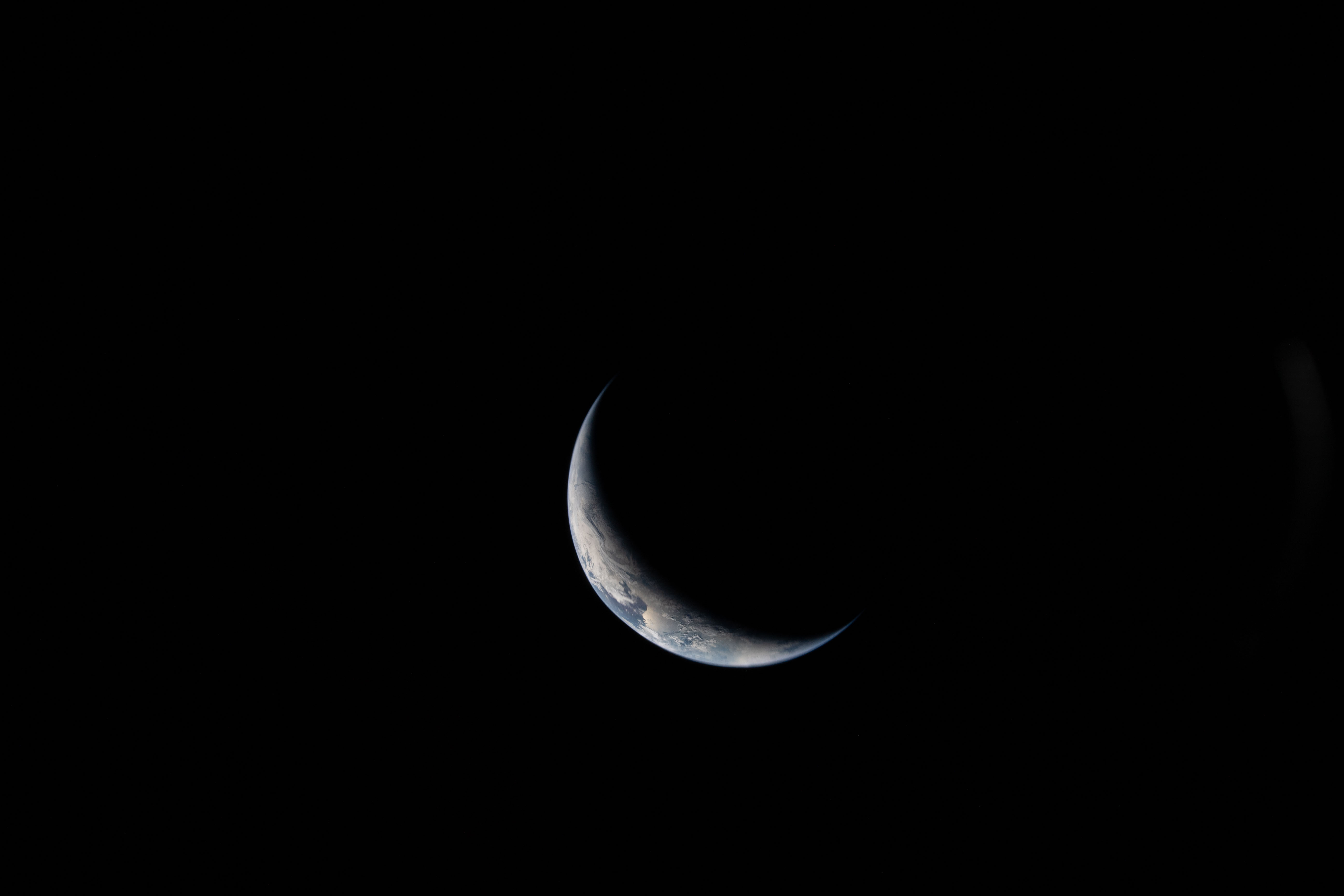
deccanchronicle.comNASA's Artemis II mission crew—Reid Wiseman, Victor Glover, Christina Koch, and Jeremy Hansen—completed a lunar flyby on Monday. The mission, which launched on Wednesday, involves testing the Orion spacecraft's life support systems and other components. The crew includes three Americans and one Canadian.
m. Eastern time, the Orion spacecraft, named Integrity, entered a period of no radio communication with Earth as it passed behind the moon's far side. This lasted approximately 40 minutes, marking the first such occurrence for astronauts in more than 50 years.
Upon emerging, the crew reestablished contact with mission control and observed a thin crescent of Earth rising above the lunar surface. During the communication blackout, the astronauts reached their mission's maximum distance from Earth at 252,756 miles. This exceeded the previous record of 248,655 miles set by the Apollo 13 mission in 1970.
The crew also achieved their closest approach to the moon at 4,067 miles above its surface.
The astronauts conducted detailed observations of the moon's surface starting at 2:45 p.
m. Eastern time, including areas on the far side that were in darkness during the Apollo missions. This provided the first human visual observations of those lunar features. Additionally, as the crew passed the Apollo 13 distance record, they proposed naming a lunar crater after Carroll Wiseman, the wife of mission commander Reid Wiseman, who died of cancer in 2020; mission control observed a moment of silence with the family.
" — Christina Koch (The New York Times) Christina Koch addressed Earth, stating: "We will explore. We will build. We will build ships. We will visit again. We will construct science outposts. We will drive rovers.
We will do radio astronomy. We will found companies. " She concluded: "We will inspire but ultimately, we will always choose Earth. " The crew has encountered minor issues with the spacecraft's toilet and personal computing devices since launch.

They have also left low-Earth orbit as part of the mission's objectives. NASA provides 24-hour live video coverage on YouTube, X, its website, and smart TV apps.
the lunar flyby, the Orion spacecraft is on a trajectory back to Earth.
" The splashdown is scheduled for Day 10 of the mission in the Pacific Ocean near San Diego. Day 7 of the mission will focus on rest for the crew. m. Eastern time, the astronauts will observe a 53-minute solar eclipse while on the moon's far side.
They will use eclipse glasses to view the solar corona, Earth, and other planets from their unique position.
Key Facts
Story Timeline
4 events- Monday, 8:35 p.m. ET
Astronauts begin observing a 53-minute solar eclipse from the moon's far side.
1 sourceThe New York Times - Monday, 6:44 p.m. ET
Crew loses radio contact for 40 minutes behind the moon and reaches maximum distance of 252,756 miles from Earth.
1 sourceThe New York Times - Monday, 2:45 p.m. ET
Astronauts start detailed observations of the moon's far side surface features.
1 sourceThe New York Times - Wednesday
Artemis II mission launches with crew testing Orion spacecraft systems.
1 sourceThe New York Times
Potential Impact
- 01
Mission data will inform future Artemis tests of Orion systems.
- 02
Lunar observations provide new visual data on far side features.
- 03
Solar eclipse views from space contribute to astronomical research.
- 04
Crew's experiences support planning for longer lunar missions.
Transparency Panel
Related Stories
koreaherald.comNASA Releases Thousands of Photos from Artemis II Lunar Mission
NASA has released over 12,000 images from the Artemis II mission, which orbited the moon in April 2026. The photos capture views of Earth, the lunar surface, and a solar eclipse observed during the crew's return. Astronauts from the mission also visited the United Nations headqua…
deccanchronicle.comThree Die in Hantavirus Cases on MV Hondius Cruise Ship
A hantavirus outbreak on the MV Hondius cruise ship has killed three passengers and sickened seven others, prompting an international response coordinated by the World Health Organization. The ship, carrying 147 people from 23 nationalities, is set to sail to Spain's Canary Islan…
newscientist.comHoutman Abrolhos Corals Show High Resilience to 2025 Heatwave, Unlike Global Losses
Coral reefs at the Houtman Abrolhos Islands off Western Australia endured a prolonged heatwave in early 2025 virtually unscathed, unlike widespread global die-offs. Researchers found exceptional heat tolerance across multiple species, with lab tests showing survival rates far exc…