science
Artemis II astronauts return to Kennedy Space Center three months after lunar flyby
The four Artemis II crew members visited their capsule at Kennedy Space Center for the first time since the April launch. They set a new distance record of 252,756 miles during the mission, the first crewed lunar flight in more than 50 years.
Jul 10, 5:29 PM·1m read1 source
 app.buzzsumo.com
Audio version
Tap play to generate a narrated version.
Developing·Limited corroboration so far. This page will refresh as more sources emerge.
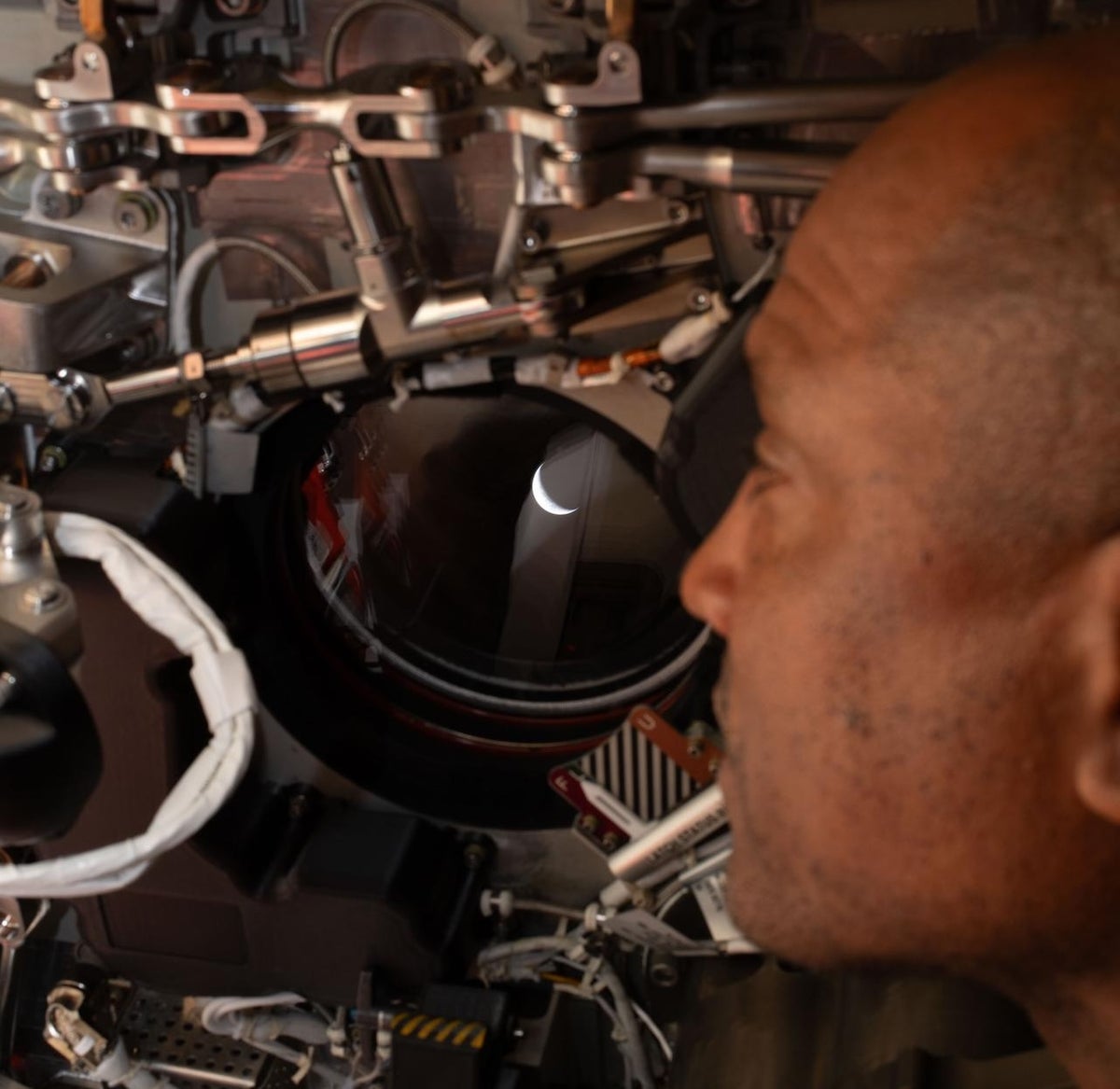
The four Artemis II astronauts returned to Kennedy Space Center to inspect their capsule three months after completing a lunar flyby. The visit marked their first time back at the Florida facility since the April launch. Commander Reid Wiseman noted the empty launch pad where the Space Launch System rocket had stood.
"It's a lonely place without that rocket on it," he said. The crew spent the day thanking launch team members who supported the flight. The mission reached 252,756 miles from Earth, the farthest distance traveled by any crew. It was the first crewed lunar flight in more than half a century.
Next missions Artemis III, scheduled for next year, will keep three NASA astronauts and one Italian astronaut in Earth orbit to practice docking procedures with lunar landers under development by SpaceX and Blue Origin. Artemis IV could follow as early as 2028 with an uncrewed lunar landing.
Christina Koch, the first woman to fly to the moon, said she supports selecting the Artemis III crew without regard to gender balance. "I am so glad and so proud that that's not the situation we have," she told reporters. Jeremy Hansen of the Canadian Space Agency announced earlier this week that he will leave the agency in September while remaining a reservist in the Royal Canadian Air Force and continuing Artemis support.