Substrate
science

Astronomers Identify More Than 10000 Exoplanet Candidates in NASA TESS Data

Researchers reanalyzed the first year of observations from NASA's Transiting Exoplanet Survey Satellite and found 11554 candidate exoplanets. More than 10000 of these had not been identified in previous searches. The findings extend the search distance to 6800 light-years from Earth.

New Scientist
app.buzzsumo.com
2 sources·May 8, 7:06 PM(10 hrs ago)·2m read
Astronomers Identify More Than 10000 Exoplanet Candidates in NASA TESS Datanasa.gov
Audio version
Tap play to generate a narrated version.
Developing·Limited corroboration so far. This page will refresh as more sources emerge.

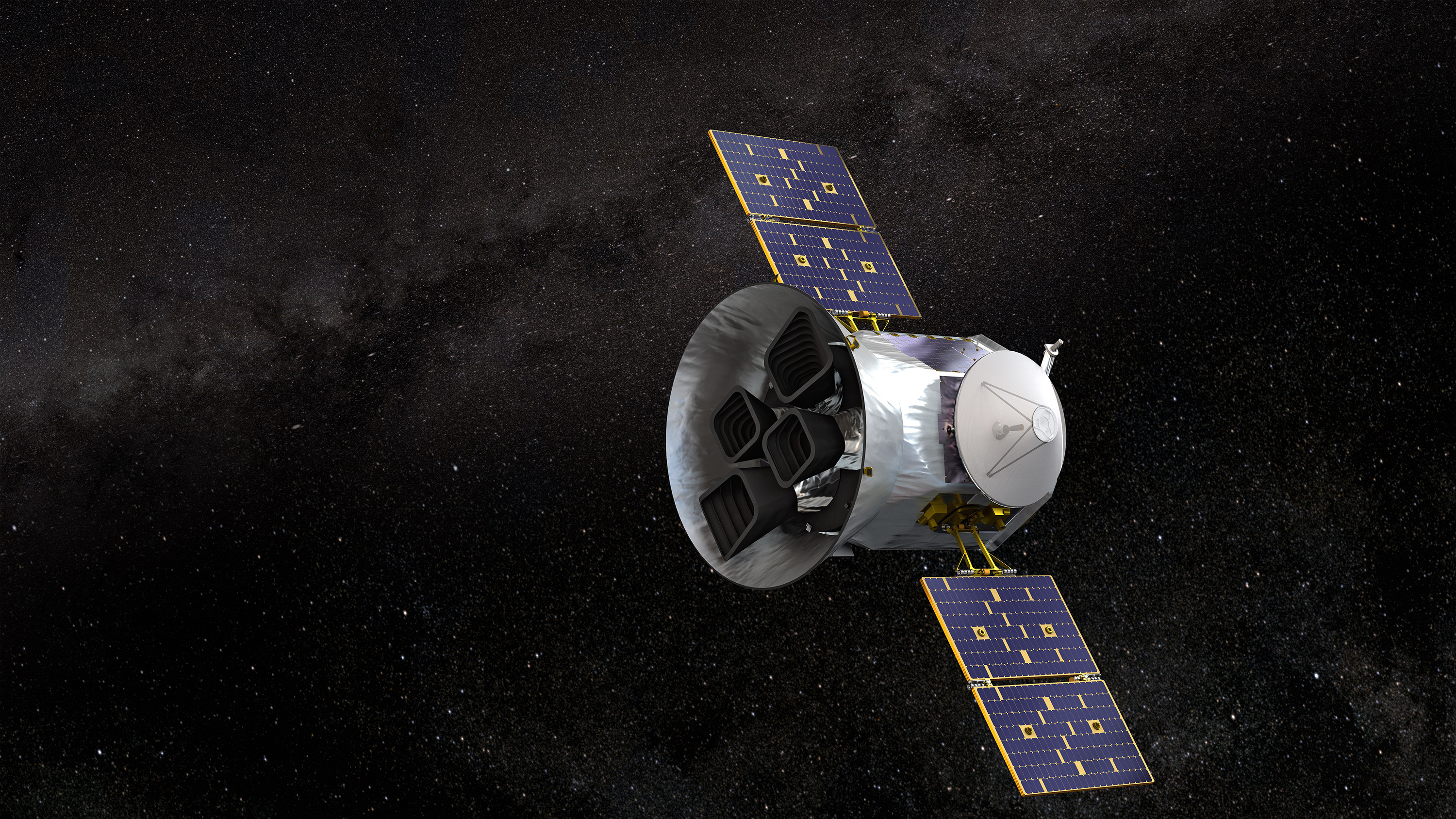
Astronomers have identified 11554 candidate exoplanets in data from NASA's Transiting Exoplanet Survey Satellite, the largest number found in a single analysis. The satellite, known as TESS, was launched in 2018 and detects exoplanets by observing brief dips in starlight caused by planets passing in front of their host stars.

The reanalysis of the first year of TESS observations was conducted by Joshua Roth at Princeton University and his colleagues. By combining images from the telescope, the team was able to search for planets around fainter stars than had been examined before.

This approach revealed 10091 candidates that had not appeared in prior exoplanet searches. TESS has so far confirmed more than 750 exoplanets, with thousands of additional candidates still awaiting verification. The total number of confirmed exoplanets identified by all telescopes currently stands at more than 6000.

The new candidates extend up to 6800 light-years from Earth toward the center of the galaxy, double the previous search distance for TESS.

More than 90 percent of the newly identified candidates are hot Jupiters, which are gas giant planets that orbit very close to their stars with orbital periods of just a few days. TESS is particularly effective at detecting such worlds. A smaller fraction of the candidates are classified as Neptunes or super-Earths.

Not all candidates will prove to be planets. Roth said TESS usually has a false positive rate of 50 percent. He estimated that a maximum of 5000 of the candidates are real planets, and possibly as few as 3000.

There have been predictions that there were thousands of planets still lurking in the TESS data. She noted that a larger dataset allows for comparisons of planetary characteristics around different types of stars. The findings come from a paper posted on arXiv with DOI 10.48550/arXiv.2604.18579. Even at the lower estimate, the new candidates would increase the number of known exoplanets by half. Additional candidates already identified in TESS data, approximately 8000, still require further examination. Predictions indicate TESS should ultimately yield between 12000 and 15000 confirmed planets. Christiansen said researchers have been anticipating such large releases of candidates from the mission.

Key Facts

11554 candidates
identified in first year of TESS data
10091 new candidates
not found in previous searches
6800 light-years
maximum distance of new candidates
Over 90%
of candidates are hot Jupiters
750 confirmed
exoplanets from TESS to date

Story Timeline

2 events
  1. 2018

    NASA launched the Transiting Exoplanet Survey Satellite.

    1 source@NewScientist
  2. 2026-05-08

    Researchers announced reanalysis identifying 11554 exoplanet candidates from TESS first-year data.

    1 source@NewScientist

Potential Impact

  1. 01

    Follow-up observations by other telescopes will be required to validate or reject each candidate.

  2. 02

    Larger sample enables statistical analysis of exoplanet formation around different star types.

  3. 03

    Remaining unexamined TESS candidates, around 8000, will undergo similar reanalysis.

  4. 04

    The candidate list could add up to 5000 confirmed exoplanets to current catalogs.

Transparency Panel

Sources cross-referenced2
Confidence score75%
Synthesized bySubstrate AI
Word count359 words
PublishedMay 8, 2026, 7:06 PM
Bias signals removed4 across 2 outlets
Signal Breakdown
Speculative 1Editorializing 1Loaded 1Amplifying 1

Related Stories

WHO Issues First Global Guideline on Infertility Prevention and Treatmentindianexpress.com
science2 hrs agoDeveloping

WHO Issues First Global Guideline on Infertility Prevention and Treatment

The World Health Organization released its first global guideline calling on countries to improve fertility care by making it safer, fairer and more affordable. Infertility affects an estimated 1 in 6 people of reproductive age. The recommendations cover prevention, diagnosis and…

WH
1 source
Hiker Found Dead From Suspected Bear Attack in Glacier National ParkNbc News
science2 hrs ago

Hiker Found Dead From Suspected Bear Attack in Glacier National Park

Search crews discovered the body of a missing 33-year-old Florida man about 50 feet off the Mt. Brown Trail in Glacier National Park on Wednesday. Park officials said his injuries were consistent with a bear encounter. The last fatal bear attack in the park occurred in 1998.

Nbc News
nypost.com
globalnews.ca
foxnews.com
4 sources
Pentagon Releases UFO Documents as Trump Urges Public ReviewSubstrate placeholder — needs review
science4 hrs agoDeveloping

Pentagon Releases UFO Documents as Trump Urges Public Review

The Pentagon released UFO documents on Friday. President Trump said the public should "have fun" deciding for itself what the materials show. CBS News reported the release and Trump's statement.

Cbs News
winnipegfreepress.com
2 sources