world
Australia Confirms First H5N1 Case in Brown Skua on Western Australia Beach
The H5N1 strain of bird flu has been detected for the first time in Australia, ending the continent's status as the last without the virus. Officials reported the case in a migratory seabird and convened an emergency response meeting.
 thehindu.com
Audio version
Tap play to generate a narrated version.
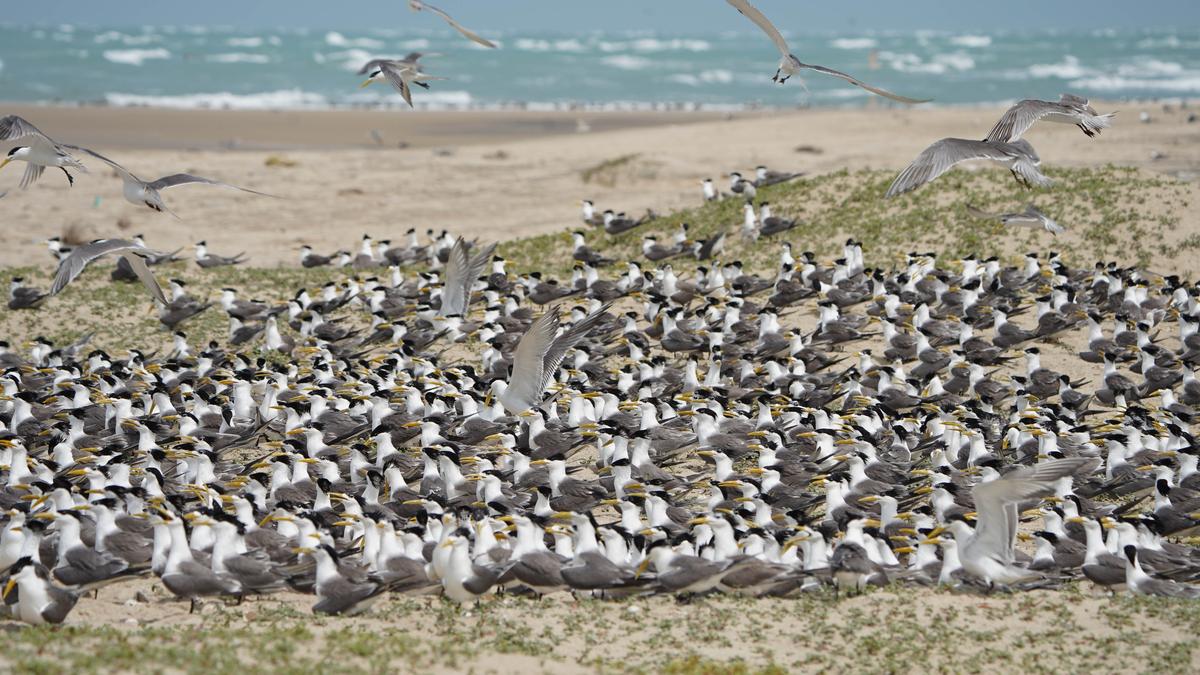
Australia's agriculture ministry confirmed on 20 June 2026 the first detection of the H5N1 strain of bird flu in the country. The virus was identified in a brown skua found on a beach at Cape Le Grand National Park near Esperance, about 700 km south-east of Perth. Agriculture Minister Julie Collins announced the finding at a press conference in Canberra.
She said a second suspected case involves a southern petrel found exhausted on an Esperance beach. Collins stated there is no evidence of mass mortalities or infection in any poultry at this time. She added that the detection was not unexpected given the virus's global spread.
An emergency meeting of the committee for emergency animal disease convened on the same day. Australia's Chief Veterinary Officer Beth Cookson said authorities had been preparing for the event for a long time. Threatened Species Commissioner Fiona Fraser said officials will know within a few days whether the virus is present in other animal populations.
She outlined a plan to protect 35 species by boosting captive breeding programs. Prime Minister Anthony Albanese said the detection was concerning and that the government would take measures to contain the spread. He noted the case arrived through migratory birds.
The H5N1 strain was detected on Australia's Heard and McDonald Islands in October 2025. A study released the week of 15 June 2026 estimated that around 13,000 baby seals out of a group of 17,000 on Heard Island died from the virus since last August, representing more than 75 percent of the group. The same study found higher than expected deaths in penguin populations on the island.
Scientists believe the virus was likely introduced last August from migrating birds originating from the French-owned Crozet Islands, about 1,800 km away. Fraser identified the Tasmanian devil, black swan, little penguin, and Australian sea lion as species at particular risk. Almost half of Australia's wild bird species and 83 percent of its mammals are found nowhere else.