world
Australia Explores Alternatives to Fossil Fuel-Based Fertiliser
Australia imports over two million tonnes of fertiliser annually, most of it derived from fossil fuels. Supply disruptions linked to the war in Iran and the Strait of Hormuz blockade have created the third shortage in recent years. Researchers and companies are developing methods to produce nitrogen fertiliser using renewable energy.
May 20, 3:00 PM·2m read1 source
Audio version
Tap play to generate a narrated version.
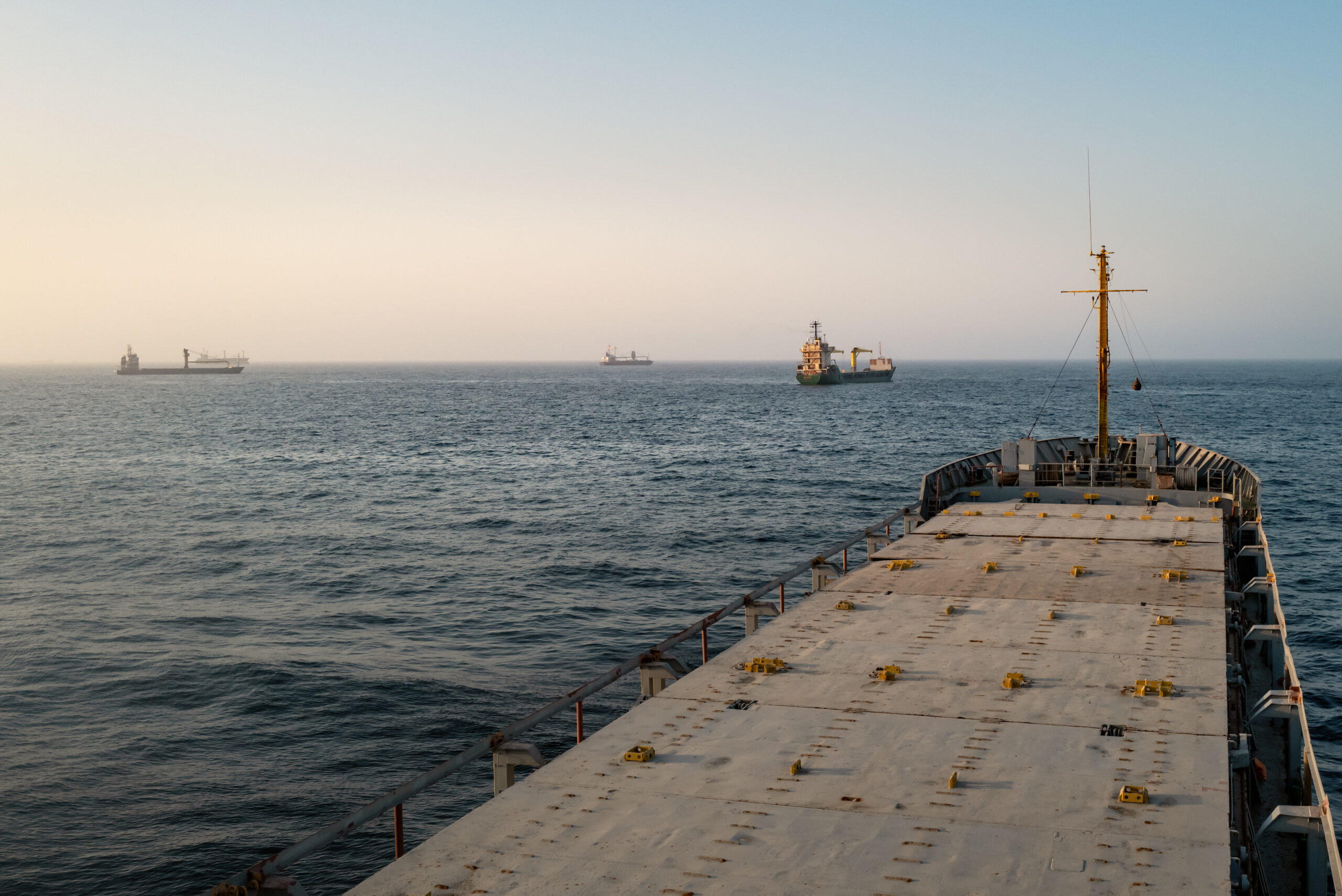
Australia imports more than two million tonnes of fertiliser each year, according to the UN's Food and Agriculture Organization. Most fertiliser is produced using hydrocarbons such as methane, making supply vulnerable to disruptions from the war in Iran and the blockage of the Strait of Hormuz.
The current shortage marks the third in recent years, following supply shocks in 2020 and 2022. A researcher in agriculture at the University of Western Australia says the farming industry has flagged concerns about fertiliser supply vulnerabilities for years.
Australian farms already use fertiliser sparingly by global standards, with practices such as no-till cropping, stubble retention, and variable-rate application.
In the short- to medium-term, deals with other countries, reviving onshore manufacture, and special provisions in the federal budget may help ease the current shortage. In the long term, the industry is examining technologies that could reduce reliance on imports.
Nitrogen fertiliser, the most commonly used type, is currently made from nitrogen and hydrogen atoms. The cheapest source of hydrogen is methane from natural gas. Researchers have developed methods to produce hydrogen from water using renewable electricity instead.
Australian startup companies have developed technologies that can make nitrogen-based fertilisers from air and water with renewable energy. One company says its prototype technology is designed to be modular so individual farms can use it to make their own ammonia.
The company aims to bring the technology to market in three to five years. Converting ammonia to urea requires a source of carbon dioxide. Researchers are exploring biogenic CO2 from biomass and CO2 captured from the atmosphere as potential sources.
One research team has developed an experimental method to generate urea directly from CO2 and nitrogen pollutants. A researcher at the University of New South Wales says the goal is to move fertiliser production from large factories to localised units.