world
Australia Plans New NDIS Eligibility Criteria Affecting 160,000 Participants
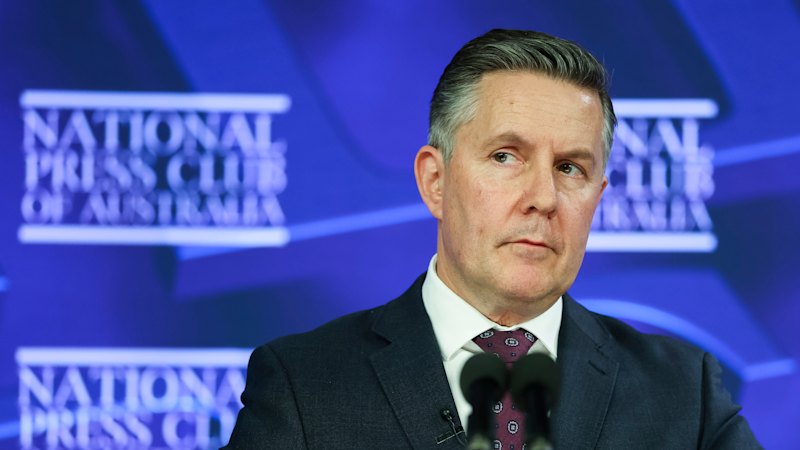
Australia's disability minister announced changes to the National Disability Insurance Scheme, shifting eligibility from specific diagnoses to functional capacity assessments. An estimated 160,000 participants with milder needs will transition to state programs starting in 2028.
 The Sydney Morning Herald
Audio version
Tap play to generate a narrated version.
Developing·Limited corroboration so far. This page will refresh as more sources emerge.
The changes aim to base access on the degree of support needed rather than specific diagnoses. Butler stated that the assessment will be objective, scientific, evidence-based, and applied equally to all. The overhaul represents the largest update to the NDIS since its launch by the Gillard government.
Participants with milder support needs, estimated at 160,000 current clients, will be directed to new state programs outside the NDIS. Butler said access will depend on a significant reduction in a person's functional capacity that affects daily living.
The new eligibility assessment will be created in consultation with the disabled community and a technical advisory group. Butler emphasized co-design with people with disabilities, stating he is open to a customized approach. The WHODAS ranks abilities on a scale of one to five and calculates an overall score.
Butler noted that the single guiding principle is functional capacity, addressing inconsistencies in the current system where access depends on specialist reports and waiting times.
Candra Sleeman, a parent of two children with autism, expressed concern that a standardized tool may not capture the complexities of autism, which can fluctuate and involve masking behaviors. She predicted her six-year-old daughter, Lakshmi, might be removed from the scheme due to these nuances.
Sleeman added that individualized therapies like speech therapy could be at risk if foundational supports outside the NDIS are inadequate.