politics
Austria Expels Three Russian Diplomats Over Suspected Antenna Use in Vienna
Austria expelled three Russian Embassy employees on May 4, 2026, over suspicions of spying activities involving antennas on diplomatic buildings. The antennas allegedly intercepted data from international organizations in Vienna. Russia's Embassy stated Moscow will respond strongly to the decision.
 winnipegfreepress.com
Audio version
Tap play to generate a narrated version.
Developing·Limited corroboration so far. This page will refresh as more sources emerge.
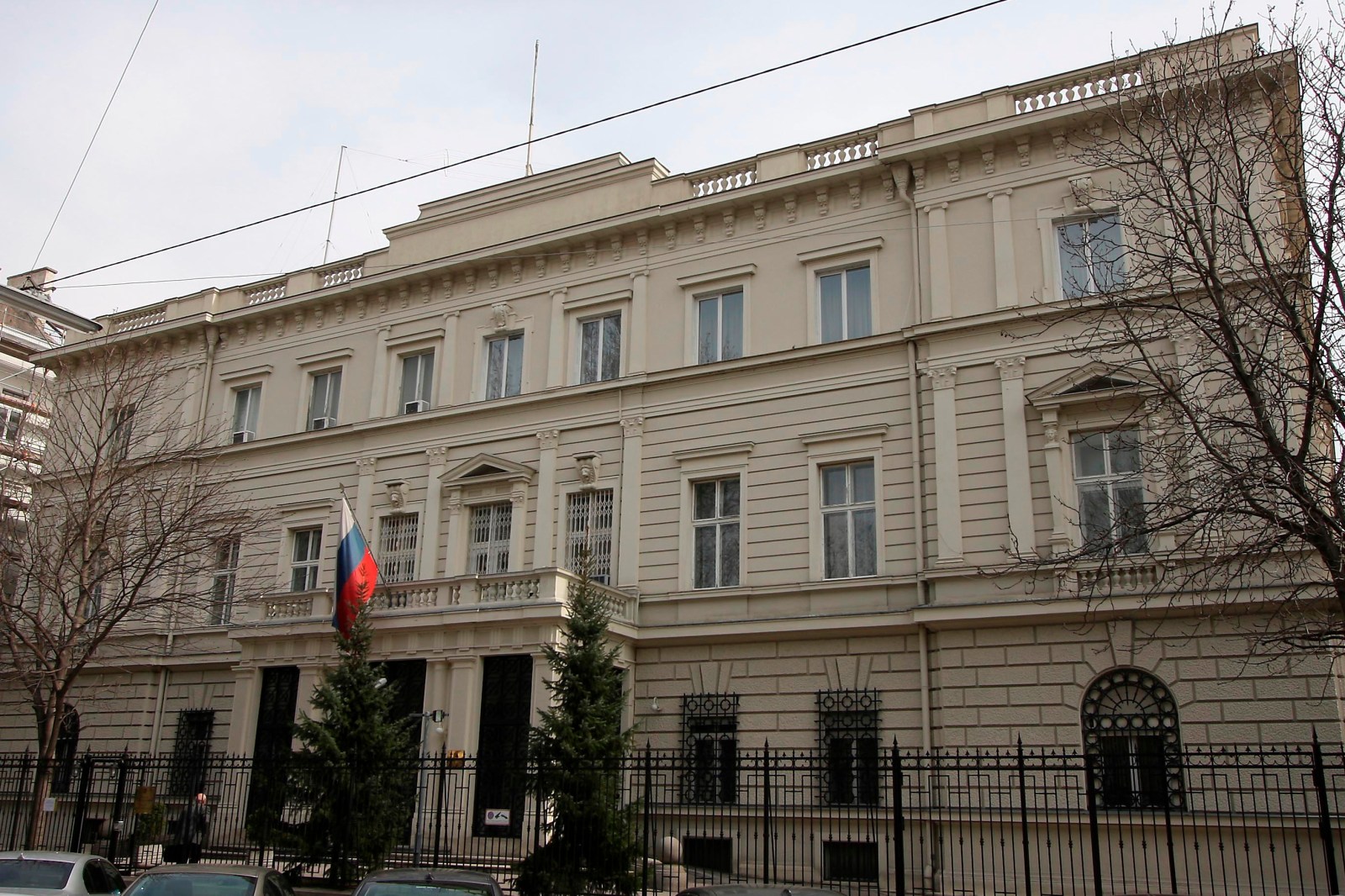
Austria expelled three Russian Embassy employees on May 4, 2026, after suspicions arose that they engaged in espionage using antennas installed on Russian diplomatic buildings in Vienna. The Foreign Ministry confirmed the action, which targeted individuals suspected of intercepting data transmitted via satellite internet by international organizations based in the city.
ABC News reported that the three diplomats have already left Austria.
Austrian authorities suspected the three diplomats of conducting spying activities with antennas on the roofs of the Russian Embassy in Vienna and a diplomatic compound in the Donaustadt district. These installations allowed the interception of data from organizations using satellite internet, according to a report by Austrian public broadcaster ORF that the Foreign Ministry confirmed.
The expelled employees were declared personae non gratae due to these activities.
N. agencies, including the International Atomic Energy Agency, as well as the Organization of the Petroleum Exporting Countries and the Organization for Security and Cooperation in Europe. These entities transmit data that could be targeted by such espionage efforts.
The antennas on the Russian diplomatic buildings were specifically cited in the suspicions of spying. Austria’s Foreign Minister Beate Meinl-Reisinger stated, 'Espionage is a security problem for Austria. She added, 'We have made this unequivocally clear to the Russian side, also with regard to the array of antennas at the Russian embassy.
Meinl-Reisinger also noted that Austria is currently tightening its espionage law to prevent such cases. The current legislation punishes espionage by foreign services only if it targets Austrian interests, according to the Austrian Press Agency. Proposed changes would extend protections to international organizations.