Bangladesh Faces Fuel Disruptions and Higher Costs Amid Iran Conflict
Energy disruptions linked to the conflict have cut incomes for ride-share drivers and raised costs for garment factories in the import-dependent nation. The World Bank and Asian Development Bank have lowered growth forecasts as Bangladesh imposes austerity measures and seeks emergency supplies from India. A father of four described how fuel rationing has forced him to sit idle every other day.
The IndependentFuel shortages linked to the war in Iran have sharply cut incomes and raised business costs across Bangladesh, where a 53-year-old ride-share driver named Tariqul Islam now fears he may have to leave Dhaka and return to his village. Tariqul Islam lost his savings after setbacks in his clothing business about a year and a half ago.
He turned to ride-sharing on his motorbike to make ends meet and support his family of four, including a daughter at university and a son in college.
Until recently he spent hours in fuel lines as supply disruptions linked to the war in Iran rippled into Bangladesh. “My family was managing fairly well through ride-sharing,” Tariqul Islam said. “But after the fuel shortage began, I would buy fuel one day and run the bike for two days.
He fears the strain will worsen if the war drags on and has warned that “if this situation continues, we will have to move back to our village and find some other way to earn a living. ” Conditions eased slightly in recent days with shorter queues at fuel stations after the government increased supplies.
Bangladesh is heavily dependent on imported fuel, and energy shortages have disrupted daily life while slowing industrial output.
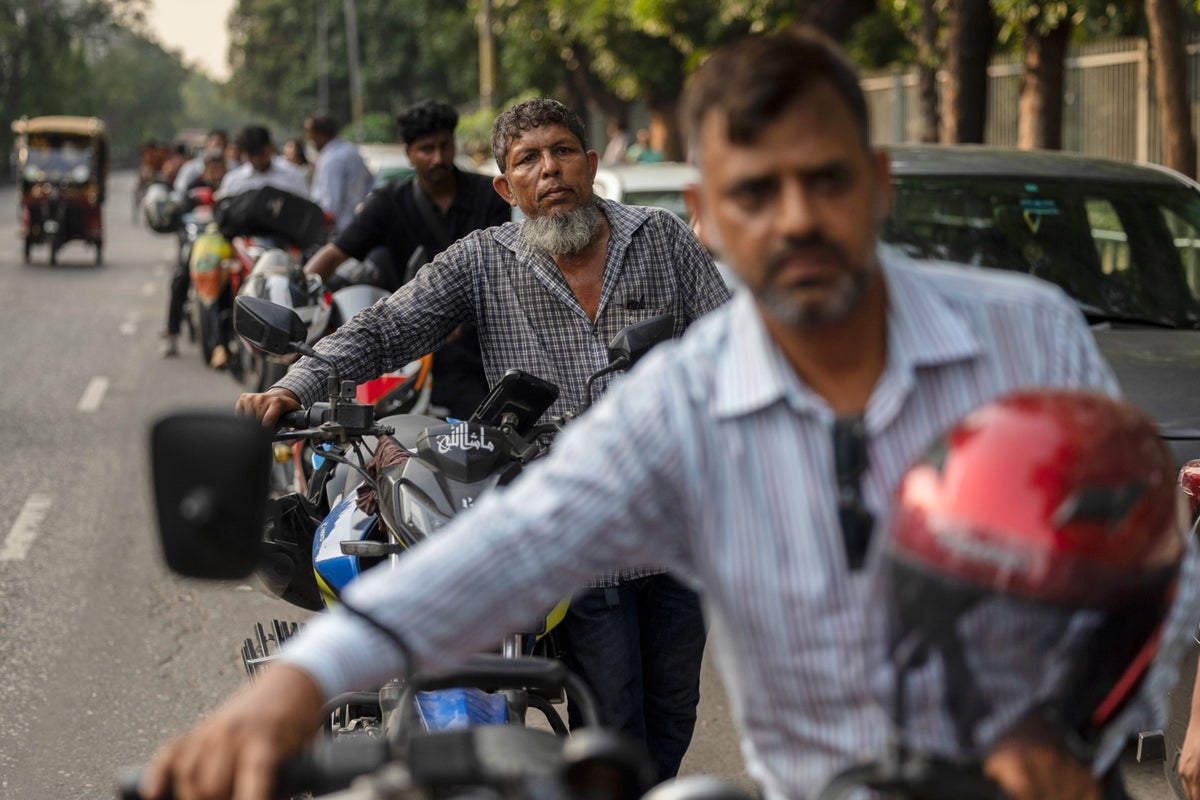
A photo of Tariqul Islam waiting in a long queue of petrol for his motorcycle was taken in Dhaka on Tuesday, April 23, 2026. The Strait of Hormuz is a chokepoint for about a fifth of global oil and natural gas trade, exposing import-reliant Asian economies to the conflict’s fallout. The Asian Development Bank cut growth forecasts for developing Asia and the Pacific in late April.
2 percent. 9 percent in the fiscal year ending in June 2026. ” Jean Pesme warned that authorities should be cautious in raising fuel prices because higher costs could hurt farmers and agriculture.
07 billion on LNG subsidies in the April-June quarter alone if global prices remain high. Bangladesh has sought supplies from India, which has responded positively as it has diversified sources of fuel, including Russia. Bangladesh authorities have imposed austerity measures to manage the crisis.
Gas and diesel shortages have triggered more frequent power cuts in industrial zones. The government has shut fertilizer factories to divert gas to power plants, restricted evening hours for shopping malls and introduced fuel rationing. The energy crunch is driving up costs in Bangladesh’s garment industry, the backbone of its economy and the world’s second-largest garment exporter after China.
The sector earns about $39 billion annually and employs around 4 million workers, mostly women from rural areas. U.S. could face a significant setback, with shipments having fallen between 5 percent and 13 percent in recent months.
U.S. and Israel launched their war against Iran. He added that business costs have risen by about 35 percent to 40 percent.
Alvi Islam, director of Arrival Fashion Limited, which exports products worth about $40 million annually, said manufacturers are facing higher costs for petroleum-based materials such as sewing threads, poly bags and cartons. Alvi Islam said his company now runs generators at least four hours a day during production.
“For that reason, the cost of doing business for exporting garments has increased quite in past one month,” he said.
Mosammet Runa, 35, is a garment worker who, along with her husband, earns about $400 a month to support their family of six. “Millions of people like us depend on this industry. It is how we survive,” she said.
She warned that a prolonged conflict could wipe out jobs and added, “We are innocent people. ” AP journalist Al Emrun Garjon contributed to this report.
Key Facts
Story Timeline
4 events- 2024-11
Tariqul Islam loses savings after clothing business setbacks and begins ride-sharing
2 sourcesThe Independent · winnipegfreepress.com - 2026-04-23
Photo taken of Tariqul Islam waiting in petrol queue in Dhaka
1 sourceAP via facts - 2026-04-late
Asian Development Bank and World Bank cut Bangladesh and regional growth forecasts
2 sourcesThe Independent · winnipegfreepress.com - 2026-05-10
Fuel queues ease slightly after government increases supplies; austerity measures in effect
2 sourcesThe Independent · winnipegfreepress.com
Potential Impact
- 01
Industrial power cuts and factory closures reduce output in key export sector employing 4 million
- 02
Regional growth in developing Asia and Pacific revised down to 4.7 percent with inflation at 5.2 percent
- 03
Ride-share drivers idle every other day, forcing potential relocation from Dhaka to villages
- 04
Garment workers earning $400 monthly for family of six face job losses if conflict prolongs
Transparency Panel
Related Stories
BBC NewsTrump Meets Advisers to Decide on Iran Ceasefire Extension
President Trump said he is holding a Situation Room meeting to make a final decision on a possible deal with Iran. The proposed agreement would extend the ceasefire by 60 days and reopen the Strait of Hormuz.
Trump to Decide on Iran Deal in Situation Room Meeting
President Trump said Friday he is heading into the Situation Room to make a final determination on a potential agreement with Iran. The proposed deal would reopen the Strait of Hormuz without tolls and require destruction of Iran's highly-enriched uranium.
benzinga.comVietnam Clears Graves for Trump Organization Project in Hung Yen Province
Farmers in Hung Yen province are exhuming family graves to make way for a $1.5 billion Trump Organization development that includes hotels, villas and a golf course. The project, approved last year, has drawn local resistance over compensation levels and relocation of remains.