world
BHP Loses Bid to Appeal Ruling on 2015 Brazil Dam Collapse Liability
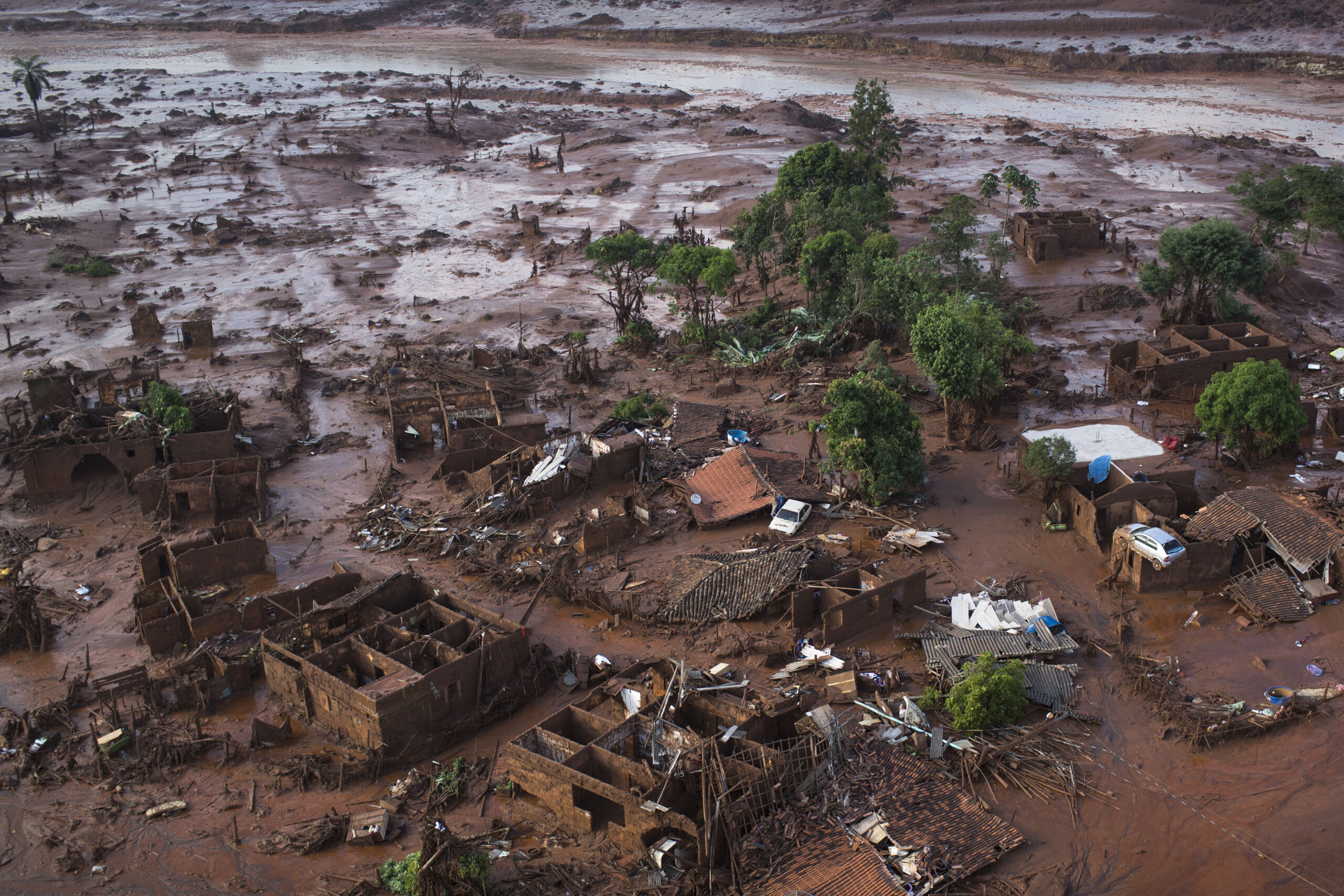
BHP has lost its attempt to appeal a ruling that could make the company liable for a 2015 dam collapse in Brazil. The Fundao dam was jointly owned and operated by BHP and Vale through their Samarco joint venture. The collapse killed 19 people and released more than 40 million cubic metres of toxic waste into the Doce River.
May 6, 11:28 AM·2m read1 source
 insurancejournal.com
Audio version
Tap play to generate a narrated version.
Developing·Limited corroboration so far. This page will refresh as more sources emerge.
BHP has lost its attempt to appeal a ruling that could make the company liable for a 2015 dam collapse in Brazil. The Fundao dam was jointly owned and operated by BHP and Vale through their Samarco joint venture. The collapse in Minas Gerais state killed 19 people and released more than 40 million cubic metres of toxic waste into the Doce River.
Lawyers for individuals, businesses, municipal governments, indigenous groups and faith-based organisations argue that BHP is liable for compensation. The dam was operated by Samarco, a joint venture between Vale and a BHP subsidiary. A judge ruled last November that the risk of collapse was foreseeable and that BHP could be held liable under Brazilian law.
BHP sought to challenge the liability decision at a hearing in March. Two appeal judges rejected the bid in a judgment issued on Wednesday. Lord Justice Fraser stated in a 32-page ruling that none of the grounds advanced by BHP showed the original decision was one no reasonable judge could have reached.
The judge also described as baseless an argument that the court had not properly addressed whether the cases were filed too late. BHP had received permission to appeal on the level of interest payable on legal costs, which exceeded £213 million for claimants as of January.
That costs challenge is to be expedited and could occur in October. A separate trial on damages is scheduled for 2027.
Responses to the Ruling Jonathan Wheeler, lead partner for the Mariana litigation at Pogust Goodhead, called the judgment an emphatic and unambiguous outcome. He said BHP remains liable for the worst environmental disaster in Brazil’s history and will not receive another chance to appeal the liability finding.