world
Blue micromoon to coincide with second full Moon of May
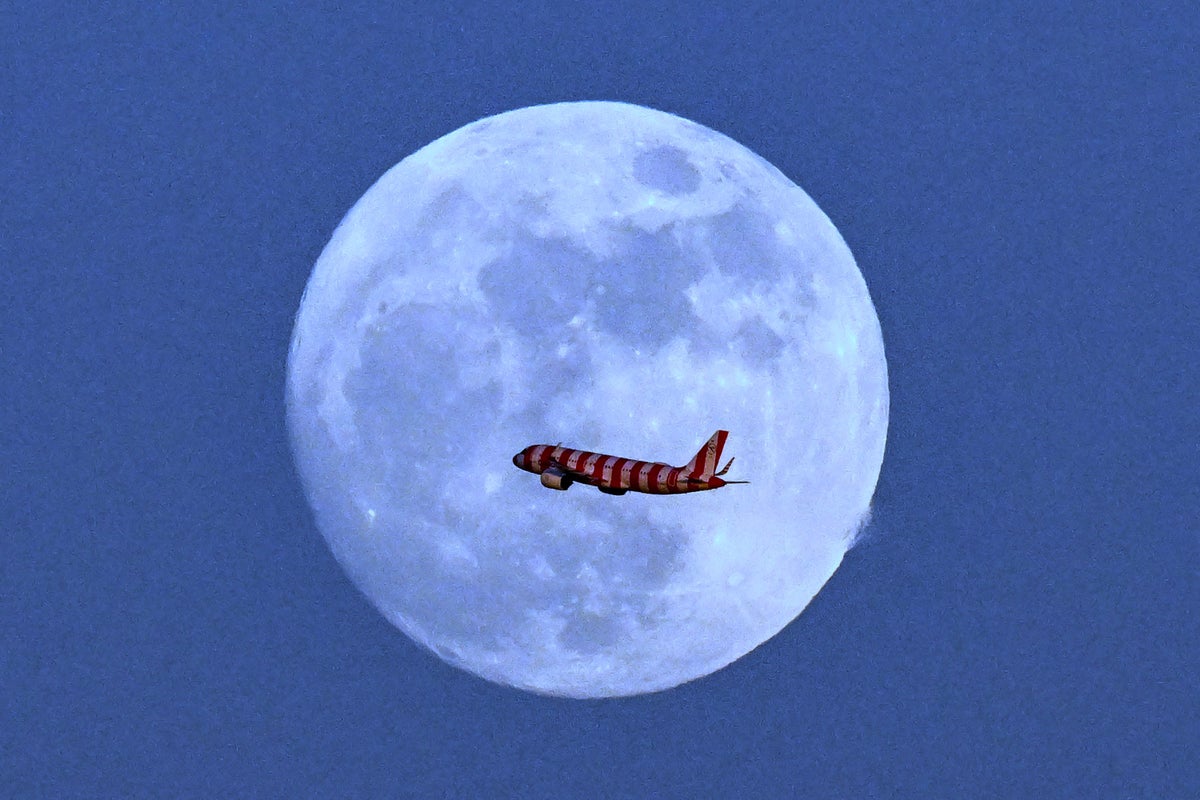
A full Moon on 31 May will also qualify as a micromoon because it occurs near the Moon's farthest point from Earth. The event marks the first Blue Moon since August 2023.
May 29, 9:03 AM·1m read1 source
 The Independent
Audio version
Tap play to generate a narrated version.
Developing·Limited corroboration so far. This page will refresh as more sources emerge.
A full Moon on 31 May will also be classified as a micromoon, appearing slightly smaller and dimmer than average because it reaches its farthest point from Earth. The Moon will reach apogee on 1 June at 406,366 kilometres, making it up to 14 per cent smaller than a supermoon. The same full Moon counts as a Blue Moon because it is the second full Moon in May.
Visibility conditions The Moon will peak at 9:45am BST on Sunday and appear full for about two days on either side of that time. In the UK, moonrise is expected around 10pm on 31 May, while observers in the US will see it near 9pm. Patchy cloud is forecast over the UK on the night of 31 May, but clear skies are expected over most of England and Wales on Friday and Saturday nights.
Astronomers recommend viewing locations with an unobstructed southern horizon.
Future occurrences The next micromoon is scheduled for June.
The next Blue Moon is set for 31 December 2028. The combination of a Blue Moon and a micromoon will not recur until 2053.
Transparency
How sources framed this
Single source — no framing comparison available.
CorroborationLimited · 1 source