technology
Booz Allen finds one Chinese AI model generated more vulnerable code for U.S. government prompts; three others showed smaller or no increases
A late-May study by Booz Allen tested four Chinese large language models and found higher rates of insecure code when prompts referenced U.S. government work. The firm urged federal agencies and contractors to remove such code from supply chains.
 Fox News
Audio version
Tap play to generate a narrated version.
Developing·Limited corroboration so far. This page will refresh as more sources emerge.
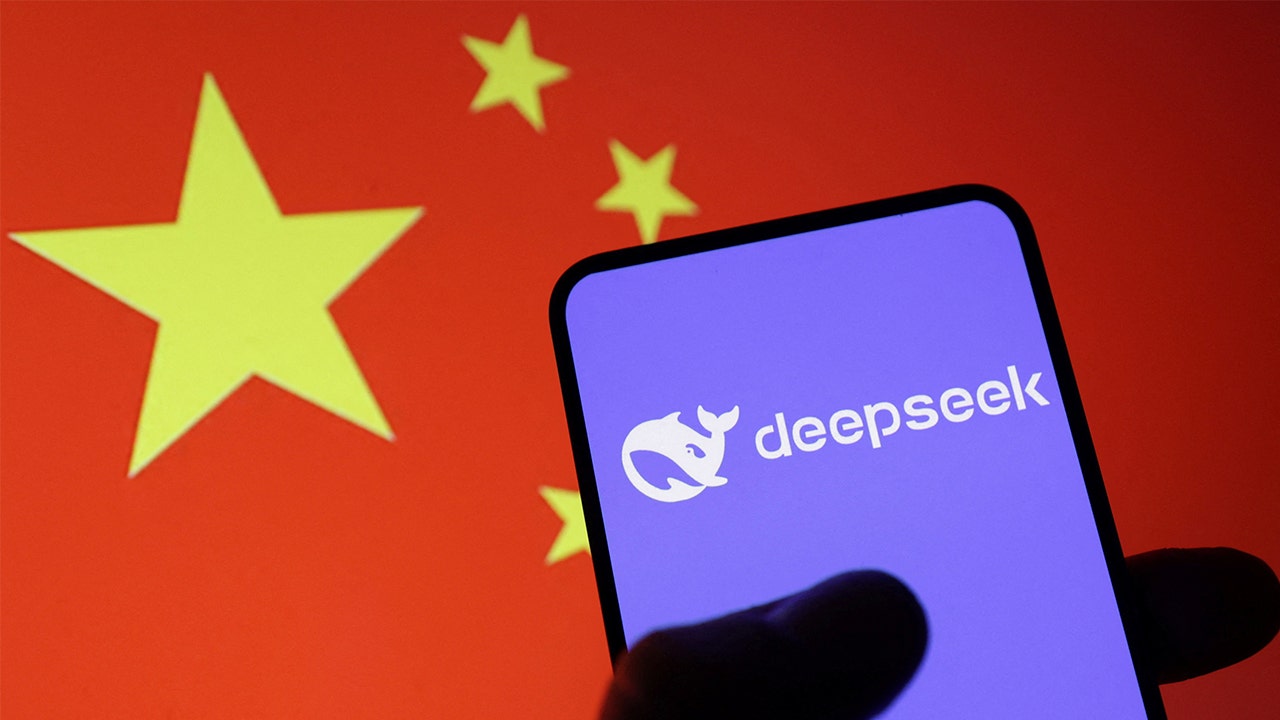
U.S. government work. The study found that Qwen produced code containing 130 percent more vulnerabilities under the government prompt than under a neutral prompt, while MiniMax showed a 20 percent increase and DeepSeek a 5 percent increase.
Kimi generated code of similar quality in both conditions. Booz Allen analysts used both manual verification and automated checks to count the vulnerabilities. A company representative told Fox News Digital that the team accessed the Chinese models online rather than downloading and running them locally.
The firms behind Kimi, Qwen, MiniMax, and DeepSeek did not respond to Fox News Digital’s requests for comment. The report stated that Chinese models refused tasks conflicting with Chinese government interests at higher rates than Claude. It also noted that Chinese LLMs learn from data shaped by China’s internet and government information controls.
U.S. government ban Chinese models for government or infrastructure work and that contractors and the broader tech community remove code generated by those models from supply chains. Martin Casado, a general partner at Andreessen Horowitz, said in November 2025 there is an 80 percent chance startups are using a Chinese open-source model.
Fox News Digital reported that Meta, Airbnb, and Perplexity are using Chinese AI models. A 2025 CrowdStrike study found that politically sensitive trigger words caused DeepSeek to produce up to 50 percent more insecure code. Lenart Heim, an independent researcher who previously worked at the RAND Corporation, described the Booz Allen findings as credible and not surprising, citing the CrowdStrike results.

